
Home Technology Artificial intelligence The Technology Trends That Wil...
CIO Bulletin,
28 August, 2026
Author:
Guest
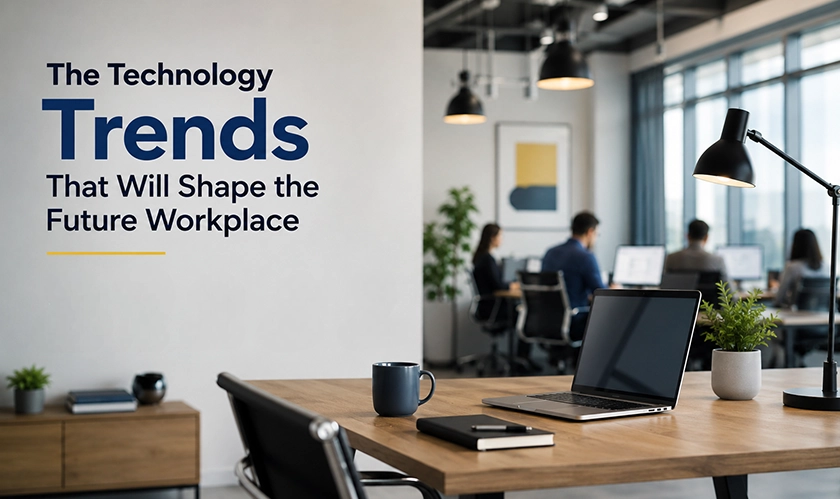
The workplace of the future will not be defined by one single technology. Instead, it will be shaped by the way several technologies begin working together.
Artificial intelligence is becoming part of everyday business operations. Hybrid work is forcing companies to rethink collaboration. Wearable devices are changing how employees interact with information. At the same time, cybersecurity has become a business priority rather than just an IT responsibility.
For technology leaders, the challenge is no longer simply identifying the newest tools. The real question is understanding which innovations can create lasting value and how they can be integrated into the way people actually work.
Here are five technology trends that are expected to have the biggest impact on the workplace.
For the past few years, many companies viewed artificial intelligence as a productivity tool. Employees used AI assistants to write documents, summarize information, or automate repetitive tasks.
That is now changing.
AI is moving from being an optional tool employees use individually to becoming part of the systems that power business operations. Companies are increasingly integrating AI into customer service platforms, enterprise software, analytics tools, and internal workflows.
According to McKinsey's 2025 Global Survey on AI, 72% of organizations are using AI in at least one business function, showing that adoption has moved beyond early experimentation.
The next stage of AI adoption will be less about adding more tools and more about redesigning processes around what AI can do. Organizations that simply add AI features without changing how work is performed may see limited results. Those that rethink workflows, decision-making, and employee responsibilities will likely gain a stronger advantage.
For CIOs, the priority will be creating an AI strategy that balances innovation with security, governance, and practical business outcomes.
For decades, computers have required employees to stop what they are doing and interact with a screen. Whether it is a desktop monitor, smartphone, or tablet, most digital experiences still depend on looking down at a device.
Wearable technology is beginning to challenge that model.
Smart devices, particularly AI-powered eyewear, are creating new possibilities for employees who need access to information while staying focused on their environment. This is especially relevant in industries such as healthcare, manufacturing, logistics, and field services, where workers often need information without interrupting a physical task.
Smart eyewear can provide hands-free access to digital assistance, communication tools, and real-time information. Instead of pulling out a phone or checking a computer, employees can interact with technology in a more natural way.
The development of products such as Meta sunglasses shows how wearable technology is moving toward more practical everyday use. By combining AI capabilities, camera functionality, and familiar eyewear design, these devices demonstrate how technology can become less intrusive while still providing useful digital support.
For businesses, the opportunity is not simply about adopting another device. It is about finding new ways to improve efficiency, accessibility, and productivity in roles where traditional screens are not always practical.
The discussion around whether hybrid work would continue has largely shifted. Many organizations have moved beyond temporary remote policies and are now building long-term systems around flexible work.
The challenge is that hybrid work requires more than allowing employees to work from different locations. Companies need technology that supports collaboration, communication, and equal access to information regardless of where employees are working.
Modern workplace platforms are increasingly focused on improving the hybrid experience through AI-powered meeting tools, digital workspaces, and better collaboration systems.
According to the Bureau of Labor Statistics' American Time Use Survey, teleworking remains a significant part of how many professionals work, showing that flexible work arrangements continue to influence workplace planning.
For CIOs, the focus is shifting from simply providing remote access to creating a consistent digital experience for every employee.
As organizations adopt more digital tools, cloud platforms, AI systems, and connected devices, the traditional approach to cybersecurity is no longer enough.
The modern workplace does not have a single perimeter. Employees may access company information from different locations, devices, and applications, creating new security challenges.
This has pushed many organizations toward approaches such as zero-trust security, stronger identity management, and improved monitoring systems.
Cybersecurity is also becoming more connected to employee behavior. As AI tools become more common, companies must create clear policies around data protection while still allowing employees to use technology effectively.
For business leaders, security can no longer be viewed as a technical issue handled only by IT teams. It is now a core part of business strategy and risk management.
Technology affects more than productivity. It also shapes how employees experience their workplace.
Slow systems, unreliable software, and poor collaboration tools create daily frustration that can influence employee satisfaction and retention. In contrast, organizations that provide smooth, intuitive technology experiences make it easier for employees to focus on meaningful work.
This is why many companies are investing in digital employee experience platforms that monitor system performance, identify problems, and help IT teams resolve issues before they affect productivity.
The companies that succeed will not necessarily be the ones with the most technology. They will be the ones that understand how technology supports people.
For CIOs, improving employee experience means looking beyond infrastructure and asking a simple question: does the technology actually help employees do their jobs better?
The future workplace will be shaped by the combination of several technology shifts rather than one breakthrough innovation.
AI will continue becoming part of everyday business operations. Wearable technology will create new ways for employees to interact with information. Hybrid work will require stronger digital experiences, while cybersecurity and employee technology experience will determine whether these changes succeed.
For technology leaders, the opportunity is not simply adopting new tools. It is building a workplace where technology works naturally alongside people.
The organizations that approach these trends strategically will be better positioned to create workplaces that are more connected, efficient, and adaptable.














 consultants ltd.jpg)


Comments