
Home Industry Law ethics and legal services Reasons Why the Weeks Before C...
CIO Bulletin
,
11 August, 2026
Author:
CIO Bulletin Team
There's a stage in a lot of criminal cases that doesn't feel like a case at all. Nobody has been arrested. No court date exists. A detective left a voicemail asking you to come in and give your side, or an officer took a report and said someone would be in touch.
It feels like a misunderstanding that a conversation could clear up. That impression is the single most expensive one people have during this period.
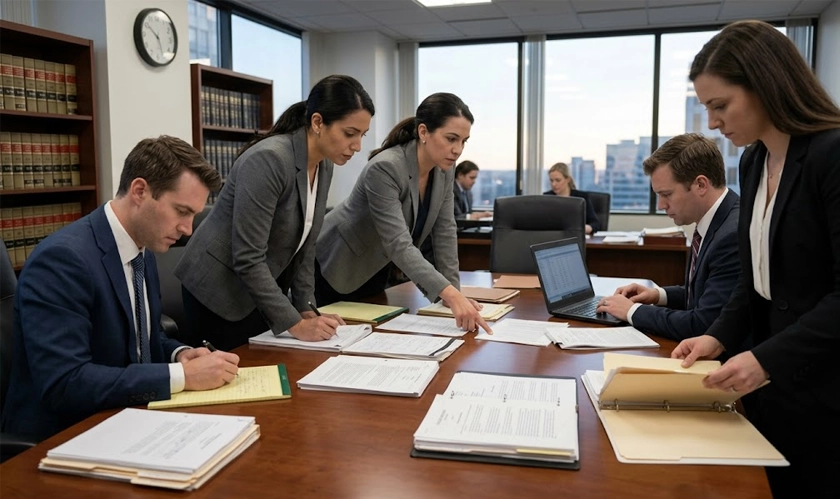
A Nampa criminal defense law firm will generally tell you the same thing about the pre-charge window: it is the point of maximum leverage and minimum awareness. Charging decisions haven't been made. Evidence still exists that will be gone in a month. And nothing you do is yet constrained by conditions of release or a pending docket.
Once charges are filed, the situation hardens. There's a case number, a prosecutor assigned to it, and an institutional momentum that's difficult to reverse.
Before that, a prosecutor is weighing whether to file at all, and on what. That decision is influenced by what's in the file when it lands on their desk.
What can matter at this stage:
Whether the report reflects one account or several
Whether someone collected exculpatory material
Whether the person under investigation gave a statement that filled gaps for the state
Whether anyone presented context the investigating officer never asked about
You may think that an interview is neutral. But in reality, it is not. Investigators conduct interviews to gather evidence, and a request framed as a chance to help yourself is still an interview. It will be recorded, transcribed, and read closely for inconsistencies.
The specific danger isn't lying. It's ordinary human imprecision:
Getting a time or a sequence slightly wrong
Estimating something you don't actually know
Filling a gap in your memory with what probably happened
Volunteering a detail that establishes an element nobody could otherwise prove
Declining an interview is not an admission of anything, and it doesn't create a charge that wouldn't otherwise exist. You can decline politely, through counsel, and that is the end of it.
The same dynamic applies to phones, vehicles, and homes.
When someone consents to a search, a question about whether it was justified largely disappears. Consent that's freely given is generally lawful, and everything found becomes usable. Phone extractions in particular pull far more than people expect — deleted messages, location data, photographs with timestamps.
If a warrant exists, cooperation is required. If one doesn't, saying you'd prefer to speak with a lawyer first is a lawful response, not obstruction.
The state's evidence gets preserved because someone is assigned for it. doesn't.
If you are not quick, here is what can vanish:
Security footage from businesses and residences, often overwritten within days
Text and app messages that get deleted in normal use
Witnesses whose memory fades or who become unreachable
Injury photographs that stop being possible once healing occurs
Records showing where you were and when
Someone should be requesting and preserving these while they still exist, not after charges are filed and discovery begins.
The instinct to sort it out directly is strong, particularly when the other person is a family member, an ex, a neighbor, or a coworker.
Don't. Even a well-meant message can be characterized as pressure, and depending on the circumstances, it can generate a new allegation independent of the original one. In some situations it's a crime on its own.
Whatever needs communicating goes through an attorney.
People assume defense work begins at arraignment. It doesn't have to.
Counsel can contact the investigating agency or the prosecutor's office before a decision is made, provide context, present records, and in some cases affect whether charges are filed, what level they're filed at, or whether an alternative resolution is possible.
The outcomes vary enormously, and nothing is guaranteed. But the option only exists during a window that closes quietly, without anyone announcing it.
Many people think that doing nothing is reasonable during this time. No charge has been filed. Getting a lawyer seems premature, maybe even like an admission that something's wrong.
It isn't. Nobody thinks you're guilty because you took a legal question to someone who handles legal questions.
What's genuinely irreversible is the opposite: giving a statement that becomes the backbone of a case, consenting to a search that wouldn't otherwise have happened, or letting the footage that would have helped you cycle off a hard drive while you waited to see whether anything would come of it.



















































 consultants ltd.jpg)


Comments