
In intensive care units across the world, clinicians face an unrelenting challenge: vast amounts of patient data flood in every moment, yet recognizing the subtle shifts that signal danger or improvement remains incredibly difficult. Lives hang in the balance, and the pressure to make the right decision at the right time is immense. What clinicians truly need is not just more information, but clear, reliable intelligence that helps them see what matters most and act with confidence.
Since its founding in 2010, Etiometry has emerged as the leading provider of clinical decision-support software designed specifically for intensive care. Its powerful platform turns complex physiological information into clear, actionable insights, empowering care teams to spot early signs of change, prevent complications, and help patients recover faster.
With 11 FDA clearances, four Health Canada approvals, and CE markings, Etiometry meets the strictest international standards for safety and performance. World-renowned academic medical centers and top-ranked children’s hospitals rely on its technology to deliver both consistent, standardized care and deeply personalized treatment. As the only platform of its kind, it reveals meaningful patterns in patient physiology and supports automated escalation and de-escalation decisions, making full use of all available data at the bedside.
Driven by a genuine commitment to better outcomes, Etiometry enhances clinical efficiency, helps lower the cost of care, and brings greater clarity and confidence to one of medicine’s most demanding environments. It is technology with a human purpose, supporting clinicians when it matters most.
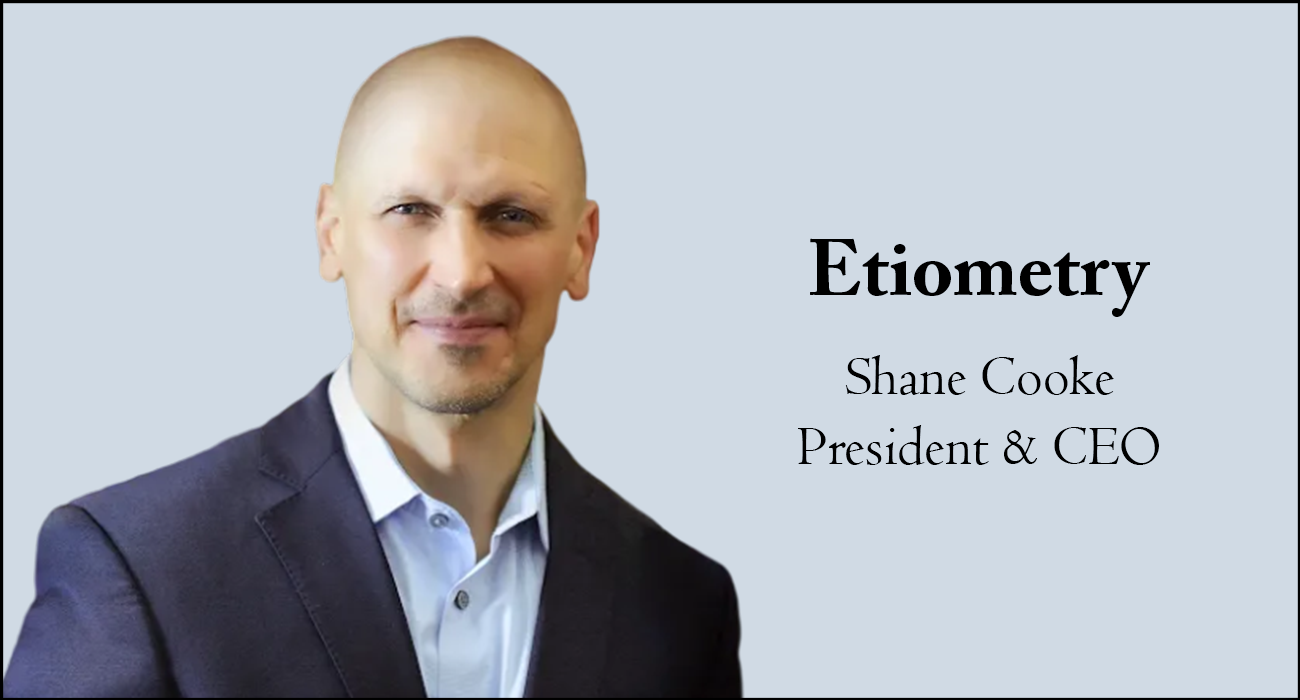
At CIO Bulletin, we had the distinct honor of interviewing Shane Cooke, President and CEO of Etiometry. He shared valuable insights into how the company is redefining modern intensive care by helping clinicians capture critical patient insights in real-time, ensuring no detail is overlooked and giving every patient the best possible chance at recovery.
Interview Highlights
What inspired the founding of Etiometry in 2010, and what was the core vision that drove your team to focus on clinical decision support in the intensive care setting?
Etiometry was founded at the intersection of engineering and medicine. Two of our founders hold PhDs in aerospace engineering, specializing in control systems and risk modeling, and partnered with a physician to bring those principles into healthcare.
In a modern fighter jet, complex data is fused into a clear, actionable view, helping pilots detect risk early and respond quickly. In the ICU, however, clinicians are often still working across fragmented systems, mentally piecing together large volumes of data in real time. That gap is what led to Etiometry.
Our founders asked, “Why not apply the same proactive, risk-based approach used in aviation to critical care?”
From the start, the goal was to support—not replace—clinicians by transforming complex ICU data into meaningful insights, enabling earlier intervention and better decision-making. That shift from reactive to proactive care continues to define Etiometry today.
Can you walk us through the Etiometry Platform and explain what makes it unique among clinical data solutions for high-acuity care?
At its core, the Etiometry Platform is about clarity in the most complex environment in healthcare.
It brings together continuous physiologic data from bedside monitors, along with lab results, medications, and electronic health record data, into a single, integrated view of the patient. Instead of navigating multiple systems, clinicians can see the full picture—how a patient is doing now and how they’re trending over time.
But aggregation alone isn’t enough. What makes the platform unique is its ability to synthesize that data into something clinically meaningful.
Etiometry combines:
Real-time data integration
Advanced, FDA-cleared risk analytics
Intuitive visualization of patient trajectory
Clinical workflow and pathway support
This combination allows clinicians to quickly identify what’s changing, what’s stable, and where risk may be emerging—without having to mentally connect dozens of variables across systems.
Importantly, the platform is not designed as a standalone analytics tool or a passive dashboard. It’s built to sit directly within the clinical workflow, reducing cognitive burden and supporting decision-making in the moments that matter most.
How does the platform’s combination of data aggregation, risk analytics, clinical pathway automation, and quality improvement capabilities deliver both standardized and deeply personalized care in the ICU?
In critical care, consistency saves lives—but so does recognizing that every patient is different. Etiometry bridges that gap.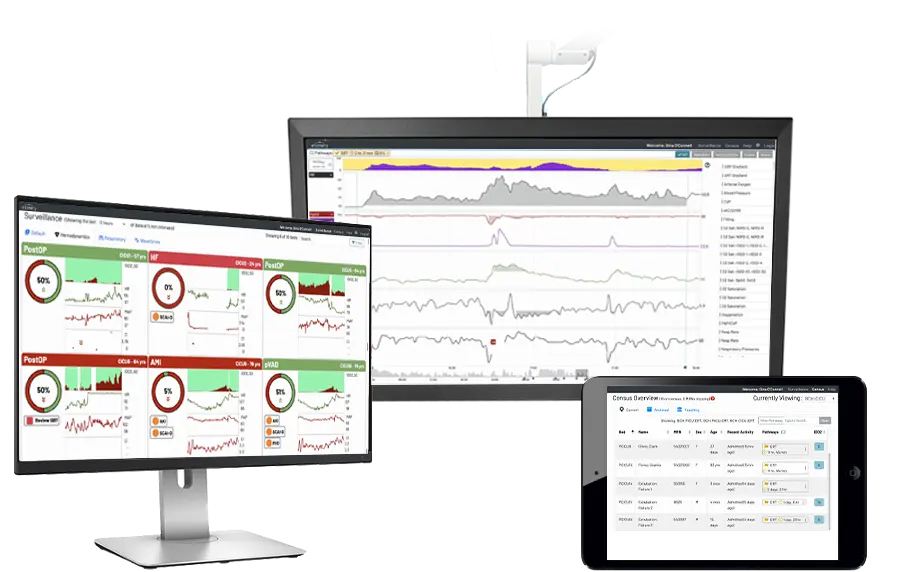
On one hand, the platform enables standardization by ensuring that key clinical signals are consistently captured, interpreted, and acted upon. By embedding evidence-based pathways and aligning teams around shared data and workflows, hospitals can reduce variation in care and improve reliability across providers and shifts.
On the other hand, the platform is deeply patient-specific.
The analytics are grounded in each individual’s physiology and continuously updated as the patient’s condition evolves. Clinicians can see not just static values, but trends, trajectories, and changing risk profiles—allowing them to tailor decisions to the patient in front of them.
In practice, this means care teams are no longer choosing between standardized protocols and individualized care. They can apply a consistent clinical framework while still making nuanced decisions based on real-time patient data.
That balance—structured care with personalized insight—is where the platform delivers its greatest value.
With 11 FDA clearances and adoption across top children’s hospitals and academic medical centers, what has been Etiometry’s most meaningful impact on patient outcomes, clinician confidence, and hospital efficiency?
The most meaningful impact is the shift in how clinicians approach care. Traditionally, ICU care has been reactive—intervening when deterioration becomes obvious. Etiometry supports timely clinician review of patient status and trends, helping care teams assess changes within existing workflows.
For patients, that can mean fewer complications, shorter ICU stays, and better overall outcomes.1
For clinicians, it means greater confidence. When there is a clearer, more complete view of a patient’s condition and risk, decision-making becomes more informed and consistent. It also helps reduce cognitive burden in an environment where clinicians are constantly balancing multiple high-acuity patients.
For hospitals, the impact extends to both operations and economics. Improved visibility and earlier intervention can support more efficient resource utilization, reduced length of stay, and stronger alignment with best practices in care delivery.
The fact that Etiometry now has 11 FDA clearances reflects both the rigor of the technology and its continued evolution in addressing real clinical challenges in high-acuity environments.
As a company named among the ‘Best Companies to Watch 2026,’ what strategic innovations or partnerships position Etiometry to shape the future of data-driven critical care on a global scale?
Etiometry’s position today reflects a focused strategy: deepening clinical intelligence while expanding its global reach.
On the innovation side, the platform continues to evolve beyond data visibility into more advanced decision support and workflow automation. A key example is the recent FDA clearance of the Cardiogenic Shock solution, part of a broader push into high-acuity cardiac care. This demonstrates how Etiometry supports more consistent clinician review and communication around complex conditions within hospital workflows.
Globally, growth is partnership-driven. With regulatory clearances across multiple regions, Etiometry works closely with local partners to ensure successful adoption within diverse healthcare systems.
What sets Etiometry apart is its combination of clinically validated analytics, close collaboration with leading health systems, and a deliberate, scalable approach to advancing data-driven critical care.
How will Etiometry continue to turn vast amounts of ICU data into actionable clinical intelligence that not only improves outcomes but also drives sustainable cost savings and revenue opportunities for health systems worldwide?
Healthcare systems are not lacking data—they’re lacking the ability to consistently turn that data into timely, actionable decisions. Etiometry’s approach is to close that gap.
By transforming continuous physiologic and clinical data into insight, the platform supports timely clinician review, more consistent workflow execution, and alignment with hospital-defined best practices. That clinical impact directly connects to economic value.
When care teams can act earlier and more effectively, hospitals can reduce avoidable complications, shorten ICU stays, and optimize the use of high-cost resources. At the same time, improved documentation and pathway adherence can support more accurate reimbursement and overall financial performance.
The long-term vision is to make clinical intelligence not just a tool for better care, but a foundation for more sustainable healthcare systems—where improved outcomes and economic efficiency go hand in hand.
Are there any new capabilities or products currently in the pipeline that clinicians and hospital leaders should be especially excited about heading into 2026?
One of the most exciting areas is Etiometry’s continued expansion into complex adult critical care, particularly in cardiac populations.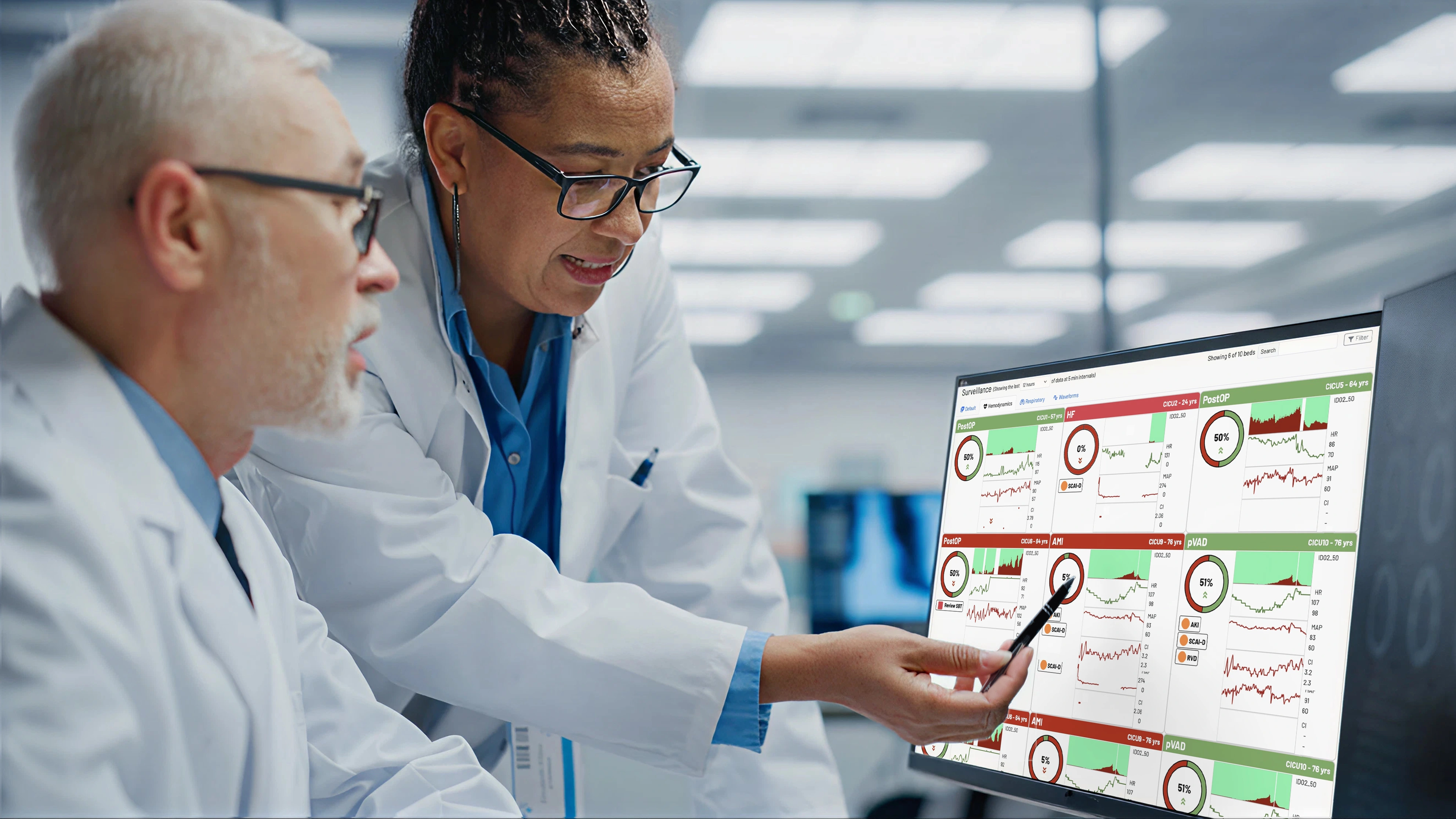
The recent FDA clearance of a cardiogenic shock solution is a strong example. Cardiogenic shock is a high-risk, time-sensitive condition that can be difficult to assess consistently across teams. Applying hospital-defined classification criteria and tracking them within the clinical workflow supports consistent clinician review and team communication.
More broadly, the company is focused on advancing capabilities that:
Enhance timely clinician reviews of risk-related trends
Support standardized clinical workflow review
Expand applicability across different ICU populations
Support system-wide quality improvement initiatives
Rather than introducing isolated features, the focus is on building a more comprehensive layer of clinical intelligence that integrates seamlessly into how care is delivered.
The Visionary Leader Shaping the Future of Intelligent Critical Care
Shane Cooke, President and CEO, leads Etiometry with a focus on scaling the company’s impact across health systems globally.
He brings over two decades of leadership experience in healthcare and medical technology, with a strong track record in commercialization, strategy, and operational growth. Since joining Etiometry, he has guided the company through a period of significant expansion—broadening its market presence, strengthening partnerships, and advancing its platform to meet the evolving needs of critical care.
Cooke’s leadership is defined by a clear focus: ensuring that advanced clinical intelligence translates into real-world impact for clinicians and patients. Under his direction, Etiometry continues to bridge the gap between complex data and actionable decision-making in some of the most demanding environments in healthcare.
1In observational analyses at select sites, platform-supported workflows have been associated with changes in certain utilization and outcome metrics; results vary by site and do not establish causality.

















































 consultants ltd.jpg)


