
Home Platforms News Is the Impending US-Iran Deal ...
CIO Bulletin,
17 June, 2026
Author:
Gayathri Sr
Private global investors lock in over half of a massive fund before the peace agreement even gets signed.
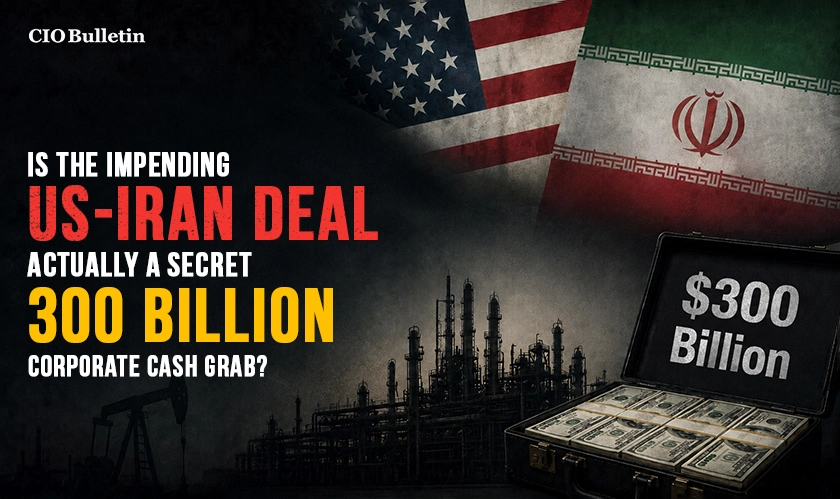
A massive wave of private global cash is quietly shifting the global economy as the highly anticipated US-Iran deal nears its official signing. Behind closed doors, corporate giants are scrambling to stake their claims in a massive economic experiment. Sources confirm that global businesses have already pledged an astonishing amount of money to rebuild a nation frozen out of the global financial markets for nearly forty years.
According to exclusive insights tracked by CIO Bulletin, this hidden component of the peace framework outlines a massive Iran $300 billion fund. Surprisingly, this isn't government aid or taxpayer money. It is entirely fueled by private sector corporations from the United States, Europe, Asia, and the Gulf states, all eager to enter an untouched market.
The money is designed to act as a private Iran reconstruction fund, targeting sectors like energy, logistics, manufacturing, and major airports. Initially, Tehran demanded $400 billion in direct war damages from Washington. When the U.S. flatly refused, this creative private investment compromise was born to give both sides an undeniable economic reason to end the conflict.
An anonymous source with direct knowledge of the negotiations revealed the sheer speed of this corporate rush:
“It'll only be created once the final deal is signed. During these 60 days the fund administrators will work with Iranians and investors to plan and scope projects.”
The economic implications are massive. Iran holds the world’s second-largest natural gas reserves and a young, highly educated population of 92 million people, making it a goldmine for international businesses.
Massive Commitments: Global corporations from South Korea, Japan, and the U.S. have already legally committed over $150 billion across five separate global regions.
Strict Conditions: The fund remains completely locked and will not become operational until both nations sign the final agreement.
Geopolitical Safeguards: The White House confirmed that access to this economic windfall depends entirely on strict compliance with regional security terms.
















 consultants ltd.jpg)


