
Home Industry Retail Will Walmart Sales Drop Shift ...
CIO Bulletin
,
21 August, 2026
Author:
Sambhrant Das
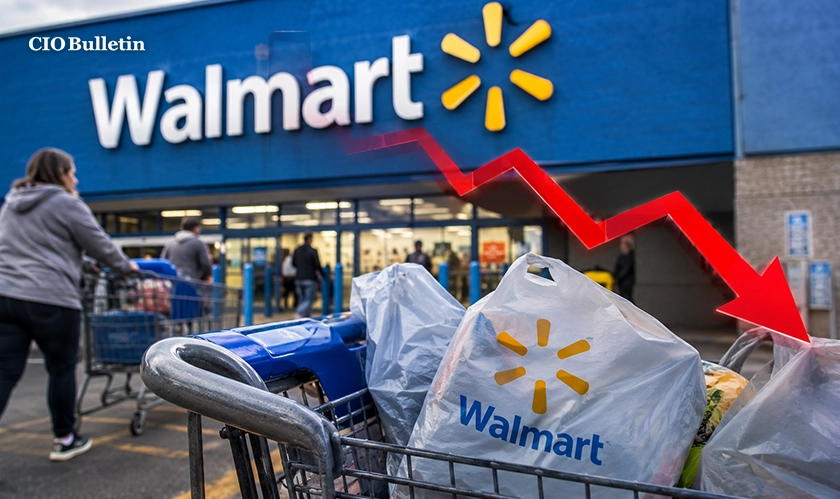
Walmart sees sales growth drop as rising fuel prices and tariffs force US consumers to pull back on retail spending
Walmart's latest quarterly report shows it achieved its lowest rate of growth in six years due to the slump in consumer spending in the U.S. During the second quarter, sales at stores open for more than a year increased by 2.6 percent against market predictions of 3.8 percent, unimpressed by the tightening of household budgets. The increase in gas prices, introduction of new tariffs, and high inflation have forced shoppers to make economic decisions and reduce their spending on many retail purchases they made previously.
Increased costs and prices of transportation and necessary food have reduced the disposable incomes of working families; as a result, the number of visits to physical stores fell significantly during the quarter.
Rising Gas Prices: Gas prices went over $4.10 and negatively impacted households’ weekly budgets.
Shift to Online Shopping: As foot traffic fell, internet business soared by 24% as people now looked for the best deals online.
Corporate executives noted that macroeconomic forces and energy market volatility are actively altering customer purchasing habits.
"When fuel prices increase and get above $4, perhaps there's a psychological impact to that … consumers are making trade-offs," - John David Rainey, Chief Financial Officer at Walmart.
To tackle falling store traffic, major retailers are offering significant discounts on numerous daily products. One-off tariff refunds have enabled major retailers to have sufficient cash flow in the short term to counterbalance increases in costs without having to transfer each of them to customers. However, with supply chain expenses rising and consumer sentiment remaining fragile, retail margins face continued operational stress heading into the upcoming quarters.
Broader economic headwinds continue to alter retail performance metrics across both physical and digital sales channels. Adapting to changing consumer behavior implies flexible pricing policies and effective management of supply chains. CIO Bulletin views this development as implying that prolonged inflation and higher living standards force dramatic changes in the ways of making purchases by consumers.
Everything you need to know about this news
The primary reason has been slow customer traffic since U.S. residents have begun saving money because of previous high gas prices, inflation, and tariffs.
The same-store sales rose by 2.6%, which is less than the anticipated 3.8% by Wall Street and is also the slowest annual growth in six years.
Increases in gasoline prices to over $4.10 per gallon resulted in consumers making difficult choices regarding their disposable income spending.
Walmart did not suffer losses in its e-commerce business since there was a 24% increase in its e-commerce sales as consumers looked for good deals online.
Walmart has reduced the prices of 11,000 products using the refund system, allowing the company to keep its essential goods affordable for consumers.




















































 consultants ltd.jpg)


Comments