
Home Industry Travel and hospitality Iran War Disruptions Expected ...
CIO Bulletin
,
28 May, 2026
Author:
Sambhrant Das
Prime Minister Rallies Affluent Citizens to Trade International Luxury Destination Weddings for Heritage Venues to Protect National Cash Reserves Amid West Asia Conflict
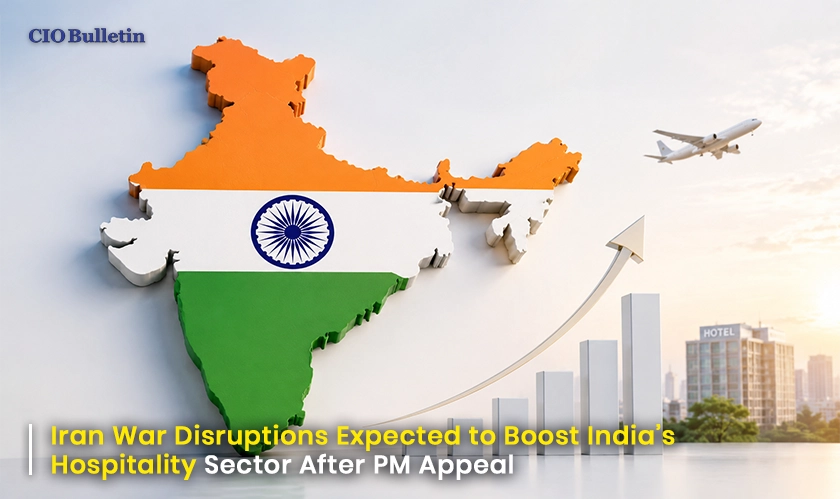
The global economic engine is increasingly entering a rough patch as rising tensions in West Asia roll over into international shipping lanes and energy markets, all at once. For a fast-growing country like India, keeping foreign exchange reserves safe becomes an instant priority, especially when conflicts threaten key sea routes and the import bills rise correspondingly. Instead of depending only on big, high-level policy fixes, the country’s leadership is also nudging for small, daily changes in how people spend money, so the impact is cushioned better. To deal with these major pressures, new government initiatives are leaning heavily on local spending to help balance out the intense Iran war disruptions that threaten national financial health.
The main idea behind this economic shield is a strong push to keep luxury spending right inside the country. By encouraging wealthier families to skip expensive overseas vacations and choose local destinations instead, planners want to build a self-sustaining money loop. This strategic redirection of travel dollars focuses directly on a few highly profitable areas within the local market:
Keeping Weddings nearer to Home: Families are being encouraged to skip booking destination weddings abroad, and choose older historical venues inside the country to reduce the money flowing out of the economy.
Building Luxury Resorts: Moving faster on the construction of premium hotels across smaller cities and scenic towns, so they can absorb the sudden increase from affluent local travelers.
Highlighting Cultural and Spiritual Spots: Pouring public and private funds into historical regions to attract vacationers who are putting their European or Middle Eastern travel plans on hold.
This nationwide campaign changes how we view ordinary leisure habits, turning everyday family spending into a tool for economic stability during global crises. Instead of waiting for central banks to fix a struggling currency, individual travel choices are being coordinated to keep money local. Pointing out the need for collective effort to protect national cash reserves, Prime Minister Narendra Modi noted, “Buy Indian, choose domestic tourism to help shield our national reserves during this period of global uncertainty.”
The broader hotel and travel industry is already seeing a real boost from this localized shift, as major companies rewrite their event calendars to match the new national focus. Big corporate groups are trading international business trips for regional retreats, pushing room bookings to record levels across main commercial hubs. This shift is kicking off a major building boom, with leading hotel brands expanding their construction pipelines to serve a market that is no longer tied to old travel seasons.
The true success of this domestic pivot will depend on turning a quick emergency reaction into a permanent advantage for the country's service industry. Investing heavily in top-tier local infrastructure ensures that regional travel options stay highly competitive long after global political fights cool down. CIO Bulletin views this development as a masterful lesson in economic resilience, proving that guiding consumer habits inward is an incredibly smart way to protect local businesses from volatile energy markets and sudden global shakeups.

















































 consultants ltd.jpg)


