
Home Industry CBD The Deadly Grip: What Makes Fe...
CIO Bulletin,
05 May, 2026
Author:
Guest
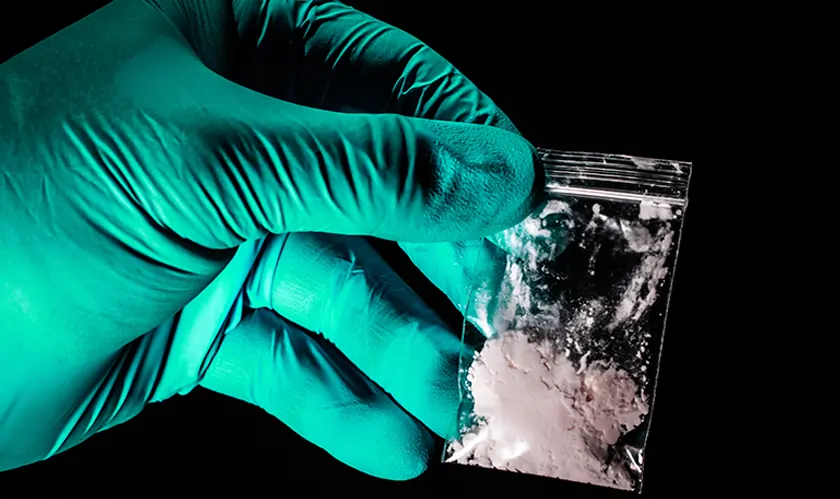
Fentanyl has fueled a surge in overdose deaths across the U.S., with numbers climbing over 70,000 cases in recent years according to CDC data. This synthetic opioid packs a punch 50 to 100 times stronger than morphine, turning addiction into a brutal fight. The fentanyl detox difficulty stems from its iron hold on the body and mind, making solo attempts not just hard but flat-out risky.
Fentanyl stands out among opioids due to its lab-made roots. Unlike natural extracts from poppies, it's engineered for max effect in tiny amounts. This design amps up the challenges in breaking free from dependence. Fentanyl detox Laguna Beach provides caring detox services, guaranteeing security and assistance on the road to healing for a better future.
Fentanyl binds tight to the brain's mu-opioid receptors, far more so than heroin or oxycodone. A dose as small as two milligrams can stop breathing, while heroin needs 10 times that to match the impact. Street versions often mix in extras like carfentanil, a vet drug 10,000 times morphine's strength, which spikes the danger even higher.
These traits mean users build tolerance fast. What starts as pain relief spirals into need for more just to feel normal. This gap explains why fentanyl detox difficulty hits harder than with older opioids.
Fentanyl rushes into the bloodstream quick, often in minutes via patches or pills. Its half-life lasts just three to five hours, so effects fade fast and pull users back for another hit. This cycle speeds up physical dependence, locking in the habit before many realize it.
Cravings kick in sharp when levels drop. The brain screams for relief, making gaps between doses torture. Speed of dependence formation keeps people hooked tight.
Opioids like fentanyl flood the brain with dopamine, then the body adapts by cutting natural production. Neurons rewire to expect the drug's constant buzz. Without it, everything crashes—mood, energy, even basic functions.
This neuroadaptation runs deep. Weeks of use can reshape reward pathways for good. It primes the pump for severe withdrawal, where the body rebels hard against the void.
Withdrawal from fentanyl feels like the flu from hell, but worse and longer. Symptoms peak in days, yet drag on for weeks if left alone. Self-detox often crumbles under this weight.
Muscle aches twist into cramps that lock limbs in pain. Stomach churns with nonstop nausea, vomiting, and diarrhea that leave you weak. Sweats soak sheets, chills rattle bones, and runny nose turns to full-body misery.
These hit harder than with milder opioids like codeine. Fentanyl's pull means symptoms last 7 to 10 days acute, with echoes beyond. One key issue: heavy fluid loss from gut problems risks electrolyte drops, which can mess with heart rhythm if ignored.
To handle this, medical teams watch fluids close. They push hydration and balanced salts to steady the body.
Mind takes a beating too. Panic surges, heart races from raw nerves, and depression sinks in deep. Sleep flees, leaving you wired yet wiped out.
Post-Acute Withdrawal Syndrome, or PAWS, stretches this out months. Dysphoria lingers, moods swing wild, and focus shatters. Addiction specialists note suicidal thoughts spike here, as the emotional low feels endless without support.
This mental storm tests resolve. Many quit the fight early, scared of the inner chaos.
Dread of these symptoms keeps the drug in play. You use to dodge the pain, then need more to chase the high. It's a loop that tightens with each round.
Fear alone derails quit tries. One bad withdrawal memory can push relapse in hours. Breaking this needs tools beyond willpower—steady guidance to face the fear head-on.
Going it alone with fentanyl withdrawal invites disaster. The body's revolt can spin out of control fast. Medical eyes spot trouble before it turns fatal.
Tolerance drops quick during detox—sometimes in days. A dose that worked before now overloads the system, as the brain hasn't adjusted back. Relapse after even partial withdrawal often ends in overdose.
Data from the National Institute on Drug Abuse shows many fatal cases happen right after failed quit attempts. Breathing slows to nothing on that old amount. It's a hidden trap in the fentanyl detox difficulty.
Users don't see the shift. They grab what felt safe, and it kills.
Vomiting leads to dehydration that strains kidneys and heart. Body temp spikes or crashes, risking seizures. Stress on the system can trigger irregular beats or worse.
Doctors step in with IV fluids and monitors to catch these. Without that, a simple flu-like spell turns emergency. Fentanyl's intensity amps every risk.
Lying still from pain raises clot odds in legs, leading to deep vein thrombosis. Vomit in lungs sparks pneumonia. These build quiet, but strike hard without care.
Immune dips from the ordeal open doors to infections. What starts as detox misery ends in hospital stays—or graves. Pros manage these layers to keep things stable.
MAT turns the tide in fentanyl recovery. It pairs meds with oversight to ease the exit. This approach cuts risks and boosts quit odds.
Clonidine calms racing heart and nerves, cutting anxiety's edge. Antiemetics stop the nausea wave, letting you keep food down. Benzodiazepines help short-term for sleep, but docs dose them careful to avoid new issues.
Teams adjust based on your signs—blood pressure, pulse, all tracked. This medical management of fentanyl withdrawal keeps the body from overload. It's not a cure-all, but it makes the process bearable.
Buprenorphine blocks cravings and eases into normalcy, often mixed with naloxone to deter abuse. Naltrexone follows to seal the opioid door shut. These hold steady through the shaky early days.
Physicians warn against rushing these—jump too soon and you trigger a worse crash, called precipitated withdrawal. Start slow, build right. They bridge to life without the grip.
Cold turkey shocks the system; tapering eases it down. Docs craft plans over days or weeks, using substitutes to mimic the drug's fade. In a facility, they tweak as needed—no guesswork.
This beats solo stops every time. Vital signs guide each step, dodging peaks of pain. Recovery builds on solid ground.
Fentanyl's raw power forges a detox path riddled with traps. Unsupervised tries court overdose, breakdowns, and worse from its brutal symptoms. Medical help flips the script, offering meds and watch that save lives.
Key takeaways:
Reach out to a treatment center today. Your next step could end the grip for good.



















 consultants ltd.jpg)


