
Home Technology Artificial intelligence Nvidia Chip Capacity Becomes t...
CIO Bulletin
,
12 November, 2026
Author:
Ravathi Sunil
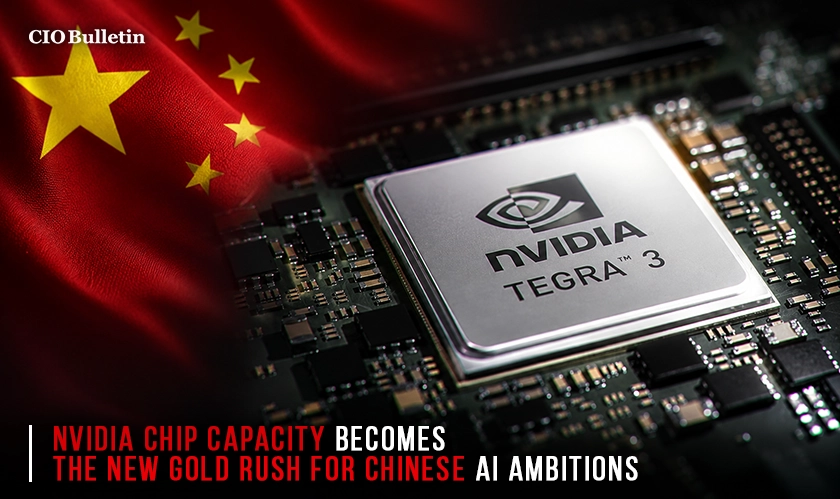
Chinese AI firms are racing to rent computing power abroad before Washington possibly shuts the door, and a headline-grabbing scandal has made the rush more urgent.
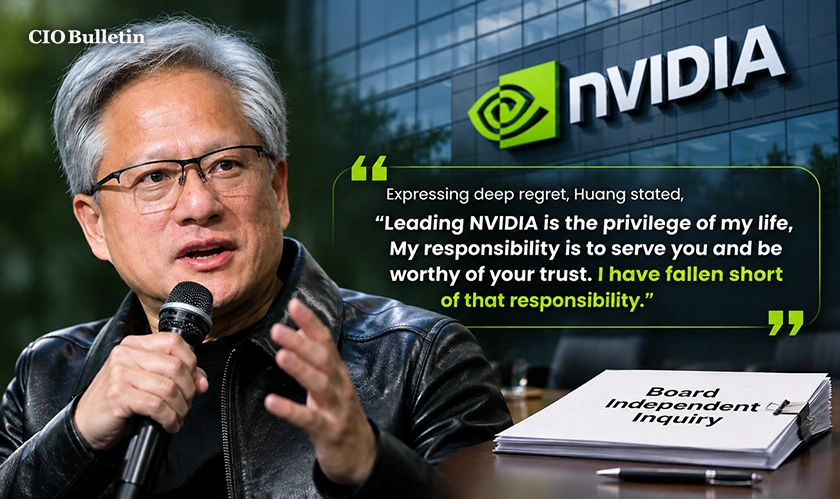
Chinese artificial intelligence companies are racing to lock in Nvidia chip capacity outside China, fearing Washington may soon tighten the rules. According to three people familiar with the matter, the rush follows a scandal involving Nvidia Chief Executive Jensen Huang.
The Loophole Everyone Is Watching
The United States already blocks exports of Nvidia’s most advanced AI chips to China. But there is a workaround. Chinese firms can rent computing power from data centers abroad and use those chips remotely. Why does that matter? These chips train and run the AI models behind chatbots and other generative tools.
What Companies Are Doing Now
Sources say the activity is picking up fast:
A major Chinese cloud provider has discussed locking in overseas capacity.
Smaller AI labs are approaching rental providers in Southeast Asia.
Traders in China’s grey market have started stockpiling restricted chips.
Why the Sudden Panic
The companies worry the scandal could add fresh energy to the Remote Access Security Act. This US bill would let the Commerce Department regulate cloud-based access to restricted technology. The House passed it in January by 369 votes to 22, and it now waits for the Senate. Reuters said the moves highlight concern over the “potential closing of a gap in US export controls.”
Scandal and Open Questions
The New York Times reported that the woman involved in Huang’s admitted infidelity was a former Megaspeed executive whom US authorities viewed as a Chinese intelligence asset. Reuters could not verify the claim, and China has denied it. Megaspeed denies illegally sending chips to China. Records also show a Chinese university closely tied to the People’s Liberation Army purchased Nvidia H200 chips last month, even though it sits on a US export blacklist.
Will Washington act, or will the rush prove premature? CIO Bulletin notes that Chinese developers now face a simple choice: reserve capacity today or risk higher costs and tighter supply later. Nvidia and the US Commerce Department did not immediately respond to requests for comment.
News Source: Reuters, https://www.reuters.com/
Everything you need to know about this news
It is rented computing power built on Nvidia processors, usually hosted in data centres, that companies use to train and run AI models.
They fear the Remote Access Security Act could let US regulators limit cloud-based access to restricted chips. Chinese firms can currently rent such chips overseas.
Mainly data centres outside China, with smaller labs approaching rental providers in Southeast Asia. Companies have also contacted operators directly to reserve space in advance.
It is an unofficial channel where restricted chips are traded, and traders in China have reportedly started stockpiling them. Fears of tougher enforcement drove the buying.
Not yet. The House passed it in January, and it is waiting for Senate action. Its fate remains uncertain.



















































 consultants ltd.jpg)


Comments