
Home Services & Solutions Gamification Can Nutrition Apps Help Build ...
CIO Bulletin
,
02 July, 2026
Author:
Ravathi Sunil
Nutrition apps encourage healthier eating habits, but experts warn that gamified features may contribute to unhealthy behaviors and increase risks for some users.
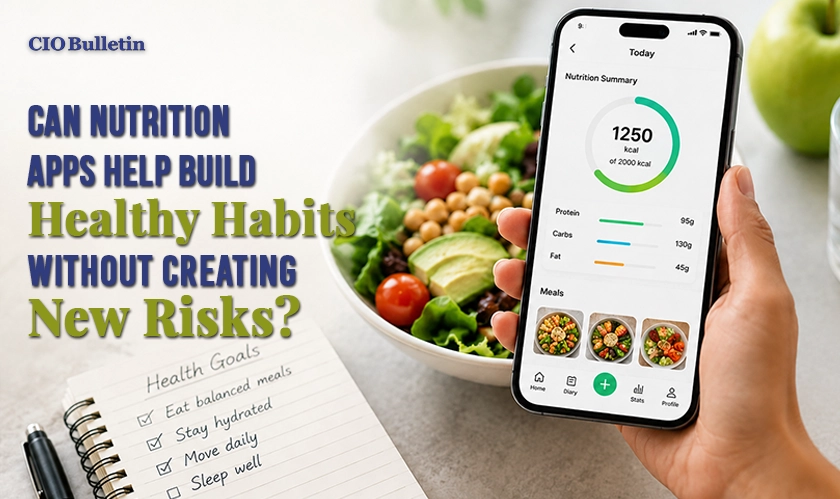
Nutrition-tracking apps are now deeply impacted by the ubiquitous effect of gamification, which can be found in everything from smartphone games to online shopping and sports betting. Popular applications like MyFitnessPal and Noom frequently include features like progress indicators and awards that are intended to promote participation. However, other academics are raising the alarm as these digital dieting programs proliferate, arguing that such gamified elements could present serious hazards for some people. According to Isabella Anderberg, a psychologist at Flinders University in Adelaide, Australia, calorie tracking in nutrition apps can worsen behaviors associated with body dysmorphia and disordered eating.
"We do know that not everyone’s going to experience harm from using the apps, but there are certainly factors that might increase risk." – Isabella Anderberg.
According to Anderberg, the apps have a place. Apps can be particularly useful as meal-planning aids for persons managing chronic disorders like diabetes and heart disease, according to health professionals she spoke with during her research.
Reports tracked by CIO Bulletin shows that many users say they like them and find strategies like streak notifications inspiring. Angela Drury, an English professor in Woodstock, Georgia, started CrossFit more than ten years ago and started tracking her diet of protein, fat, carbohydrates, and calories using MyFitnessPal. Since then, she has cycled through a number of other programs, such as Weight Watchers, Lose It, and now Nourish, which includes weekly appointments with a dietitian and is covered by her insurance.
People who consider that thinness is superior would find it easier to misuse the app. Keeping track of the calories and macros will lead to obsession, which will make it even harder to deal with negative feelings when there are no daily goals achieved. According to Anderberg, one should listen to oneself and be cautious of what the app suggests. One is free to do whatever one wishes, especially when one wants to have some rest.
Everything you need to know about this news
Nutrition apps are smartphone applications that assist users in monitoring calories and nutrients, tracking food intake, setting health objectives, and creating better eating habits.
Gamification is the process of encouraging users to stick with their fitness and nutrition objectives by incorporating game-like elements like points, streaks, badges, challenges, and rewards.
According to some experts, certain users may be encouraged to engage in bad eating habits, compulsive monitoring, or anxiety by competitive features, daily streaks, and continuous tracking.
Through individualized tracking and reminders, they can help users reach fitness objectives, promote healthier food choices, raise dietary knowledge, and promote long-term healthy behaviors.
Gamified elements may have more detrimental consequences on people who have a history of eating disorders, body image issues, or compulsive tracking.



















































 consultants ltd.jpg)


Comments