
Home Technology IT Services Samsung Galaxy S26 Camera Tool...
CIO Bulletin
,
27 May, 2026
Author:
Gayathri Sr
New open-source video technology puts professional studio-grade color grading and cinema editing suites directly into consumer pockets.
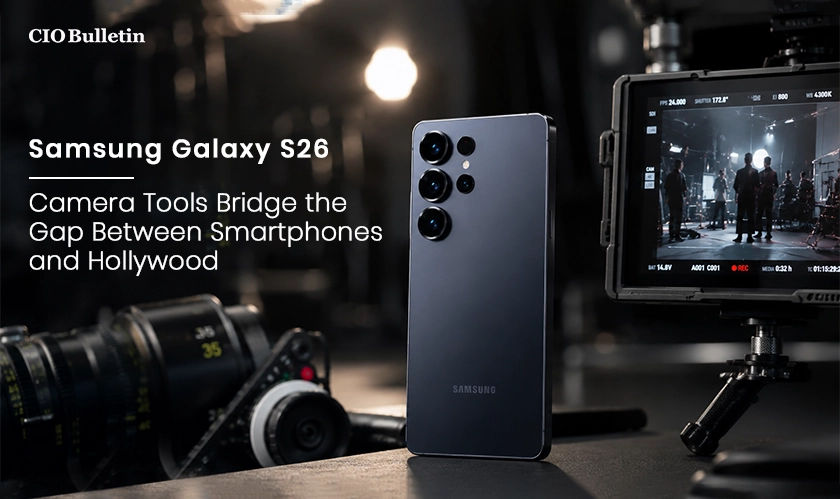
The dividing line between Hollywood cinema and everyday mobile video just got incredibly thin. In a major technological leap, the newly unveiled Samsung Galaxy S26 camera tools are bringing studio-grade filmmaking capabilities directly into the pockets of everyday users. Historically, high-end video editing required massive computing power and expensive studio software. According to a report by CIO Bulletin, this latest smartphone innovation aims to democratize the entire filmmaking process by tackling the notorious complexities of video color-grading.
For years, the gap between professional filmmaking and consumer video has been defined by expensive equipment and backend processing power that only major studios could afford. Samsung's latest flagship device attempts to close that gap by introducing two advanced features: the Advanced Professional Video (APV) codec and a Cinematic Look-Up Table (Cine LUT).
The Cine LUT feature addresses a major bottleneck for everyday creators: the complexity of color grading. Traditionally, shooting raw, high-dynamic-range video left users with flat, washed-out footage that required specialist software to fix. Samsung’s solution offers real-time cinematic presets developed alongside professional colorist studio U5K Imageworks. Creators can now shoot video using pre-calibrated styles like Thriller or Blockbuster directly inside their standard gallery app.
Processing such massive amounts of visual data usually causes mobile devices to overheat or run out of space instantly. To solve this, engineering teams worked extensively behind the scenes to optimize internal hardware.
“To enable real-time processing of UHD and 8K video within the constraints of mobile devices, efforts were focused on thermal management and system-level optimisation,” stated Junseang Min of Samsung's MX Business division.
By making this technology open-source, the company hopes other tech giants and software developers will adopt the format. For small business owners, field journalists, and independent content creators, these advancements mean broadcast-ready videos can now be shot, edited, and published entirely on the move. Whether the industry fully adopts this new open standard remains to be seen, but the era of the pocket-sized cinema studio has officially arrived.



















































 consultants ltd.jpg)


