
Home Technology Artificial intelligence How social media platforms are...
CIO Bulletin
,
25 May, 2026
Author:
CIO Bulletin Team
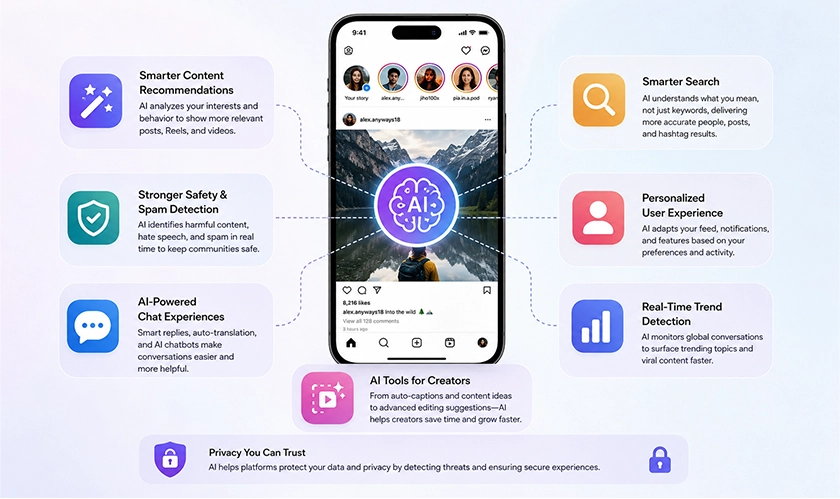
The structural architecture of modern digital communication networks relies heavily on advanced machine learning pipelines to govern user engagement metrics. Traditional static timelines have transitioned completely into dynamic discovery frameworks that predict behavioral patterns, analyze content context, and customize delivery systems in real time. This technical evolution prioritizes operational system efficiency, deep analytical accuracy, and sophisticated automation to manage the expanding influx of daily global data uploads. This article explores how leading social applications utilize computational intelligence to refine user interfaces, enhance content safety, and stabilize data tracking. By deploying complex neural networks and automated filtering engines, modern applications maximize interaction fidelity and build highly responsive virtual ecosystems.
The primary mechanism behind contemporary network personalization involves analyzing millions of unique user interaction points simultaneously to maximize platform retention. Instead of incentivizing users to buy Instagram followers via unverified third-party services, the algorithm prefers to focus on rewarding high-intent interaction metrics such as deep saves and elaborate comments. Such an analysis framework is capable of identifying automated bot activity from authentic human activity, which in turn helps ensure that valuable educational and media content reaches targeted audiences organically.
Deploy automated computer vision models to scan incoming image metadata for safety compliance.
Implement natural language processing scripts to translate global comments into localized languages instantly.
Monitor user session duration patterns dynamically to adjust interface layout components for comfort.
Centralize community report databases to streamline the removal of fraudulent profile networks.
The management of millions of concurrent HD video streams brings about major server bandwidth challenges and data processing delays for tech companies. The modern day infrastructure manages to solve the scalability issues through the use of smart media compression software that changes visual quality according to real time network speed. This constant balance guarantees the end user a perfect buffering free video streaming regardless of device used.
Track sudden login geographic shifts to protect consumer accounts against malicious hijacking.
Cross-reference incoming textual captions against known phishing phrase lists to isolate scams.
Restrict automated third-party api access pipelines to maintain rigid internal data privacy parameters.
Audit systemic user validation checkpoints to prevent widespread platform automated infiltration attempts.
The quick proliferation of unreliable data feeds poses a consistent operational risk in the realm of distributed digital media applications. The new generation of content safety systems merges text prediction with live database analysis in order to detect any erroneous trending articles prior to their viral outbreak.
Analyze historical user browsing patterns to place relevant product advertisements seamlessly.
Generate automated dynamic ad layouts that adapt visually to fit separate layout dimensions.
Optimize corporate bidding strategies in real time based on predictive audience conversion metrics.
Provide clean, clear performance metrics to business users without manual calculation requirements.
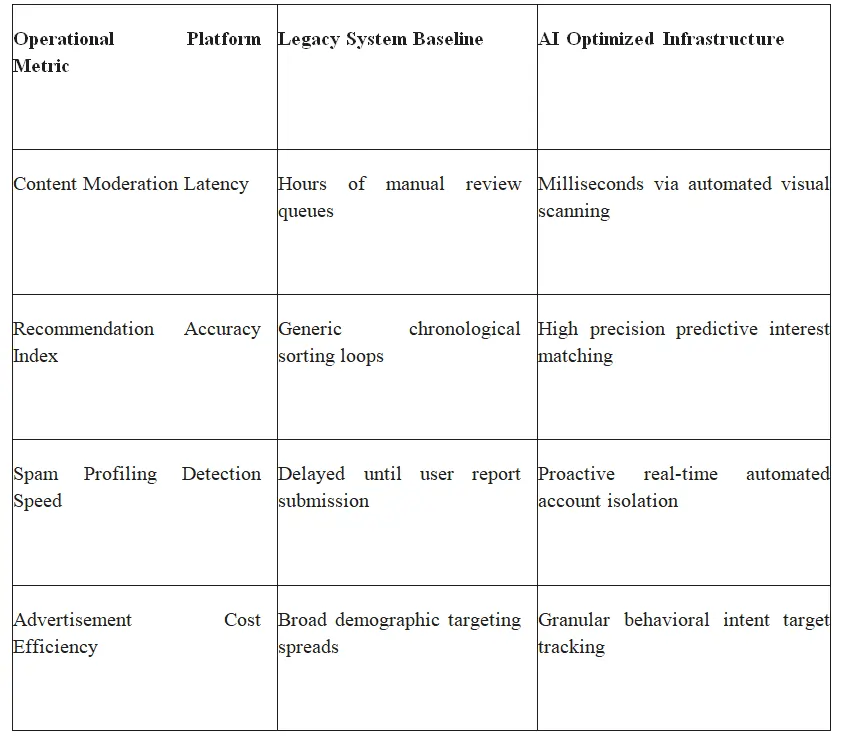
Sustaining global user retention demands a total commitment to building safe, highly intuitive, and transparent computational systems. Tech companies must continuously move away from unoptimized moderation loops and invest heavily in integrated neural networks that scale data protection effortlessly. Recognizing that attempts to buy Instagram followers inherently compromise the integrity of future profile data ensures that content producers can tailor their posting methodologies to today’s quality standards on the Internet. Such consideration for these cohesive architectural improvements ensures no software constraints, protects valuable data, and ensures that social communication tools are safe from future network security threats.





















































 consultants ltd.jpg)


