
Home Technology Automation Will Walmart AI Automation Pus...
CIO Bulletin
,
05 June, 2026
Author:
Gayathri Sr
Corporate leadership successfully blocks an independent workplace impact study while moving forward with rapid logistics and supply chain upgrades.
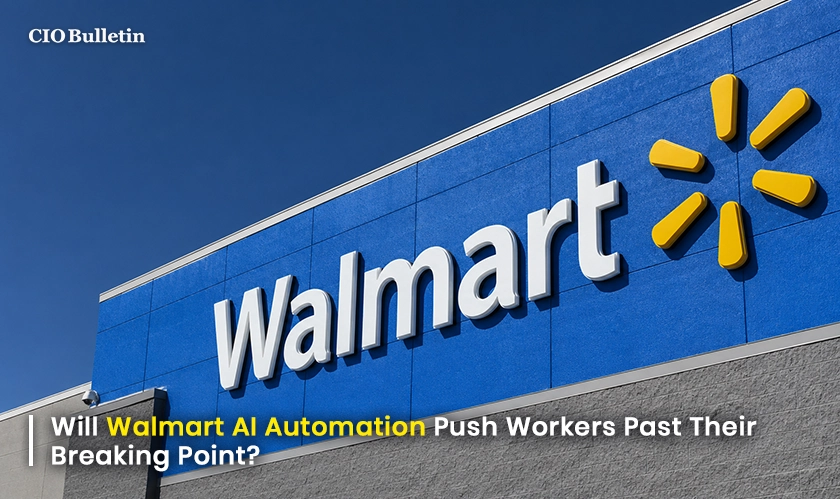
The momentum behind Walmart AI automation reached a decisive milestone during the retail giant's annual meeting, where investors officially voted down a proposal demanding a formal review of how automated workplace systems affect frontline staff. The rejected resolution, introduced by advocacy group United for Respect, sought transparent tracking of employee safety and high turnover rates under automated targets. According to reports analyzed by CIO Bulletin, the corporate decision underscores a definitive shift toward high-speed, technology-driven retail management.
Frontline employees actively championed the proposal, warning that automated tracking tools frequently demand unrealistic speeds. Workers shared that these system-driven pressures often force teams to rush through basic safety checks and sanitation routines.
“AI learning should build confidence, not pressure.” — Josh Allen, Head of Frontline Training at Walmart
While leadership highlights a human-centric approach to corporate technology, the fiscal results of these digital upgrades remain a top priority for corporate stakeholders. Automated backend centers now process over half of the retailer's e-commerce fulfillment volume, driving down shipping costs by nearly 30 percent over consecutive quarters. This systematic integration of advanced algorithms has also allowed the brand to boost same-day and next-day sales by an impressive 150 percent.
Beyond everyday warehouse operations, the corporate tech expansion includes visual recognition systems designed to evaluate product quality in real time. Shareholders also rejected a separate inquiry concerning potential labor shortages tied to shifting national immigration rules and specific professional visa restrictions. By maintaining a firm stance on its technological direction, the world’s largest private employer is proving that automated logistics will remain the primary engine of its modern growth strategy.
Fulfillment Upgrades: Over 50 percent of digital e-commerce packages are now handled via automated distribution infrastructure.
Rapid Deliveries: Advanced inventory systems helped boost fast-delivery sales by more than 50 percent year-over-year.
Cost Reduction: Enhanced supply chain routing helped slash corporate shipping expenses by roughly 30 percent.



















































 consultants ltd.jpg)


