
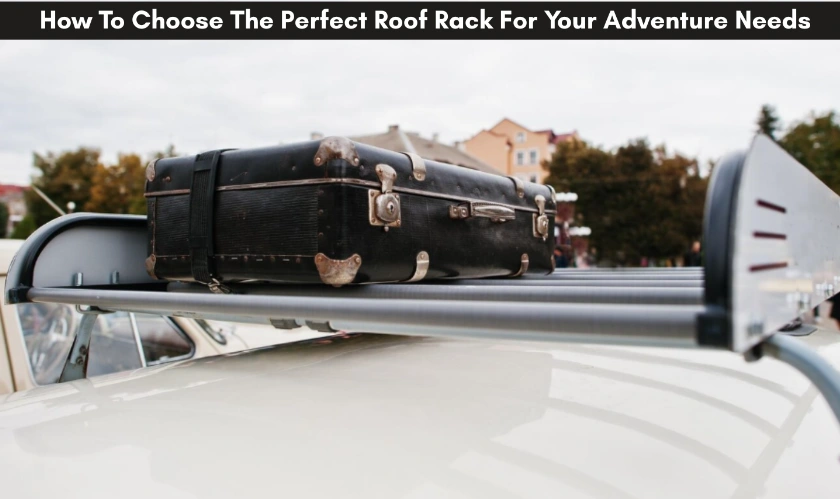
Home Industry Automobile How To Choose The Perfect Roof...
CIO Bulletin
,
26 February, 2026
Author:
CIO Bulletin Team
Planning to go on an adventure can be stressful when you do not have enough space in your vehicle to make sure that all of your equipment fits easily and securely. In most scenarios, bulky camping equipment, water sports gear, recovery tools, and travel essentials can easily overload your vehicle's built-in cargo capacity, forcing difficult compromises.
Consequently, journeys that are supposed to be enjoyable begin with a frustrating experience and rearrangement. Moreover, safety can also be compromised by insufficient cargo space, where stacking inappropriately may obstruct visibility within the cabin.
However, a correctly chosen roof rack helps to overcome these difficulties and increase storage in a safe and structured manner. Rather than packing things in crammed places, you can install gear without difficulties and redistribute weight better across the vehicle.
Furthermore, by selecting a rack to suit your car and accommodate your lifestyle on the road, you enhance the convenience, stability, and general efficiency on the road.
This article explores five useful factors that can help you choose a perfect roof rack that suits your adventure purposes.

Roof rack systems should be evaluated on the basis of compatibility. For example, a vehicle-specific solution, such as a Land Rover Discovery roof rack, is designed to fit on models LR3, LR4, and LR5 by using existing mounting points. As a result, it provides safe attachment, equal distribution of weight, and simplified installation without any complex modifications or unreliable universal clamps, which may loosen over time.
Besides ensuring the rack properly fits your vehicle, it is also essential that you consider how you usually travel and the places you explore. For instance, a weekend trip with light cargo may involve one setup as opposed to long overland trips with rooftop tents, storage boxes, and recovery gear.
Thus, when you match the rack design to the vehicle structure and trip requirements, you establish a rock-solid and mission-driven foundation for all of the adventures that you have planned.
After checking the compatibility, it becomes important to determine the extent of weight that you are actually intending to carry. Roof racks are rated with defined dynamic and static loads, and exceeding them may affect the handling of the vehicle, braking, and structural integrity. That is why you should calculate the mass of your standard equipment, with mounts and accessories, before deciding what to buy.
Moreover, it is a good idea to choose a rack that has a little more capacity than your current requirements because it gives you flexibility. This extra room enables you to adapt to new upgrades, extended expeditions, or seasonal equipment modifications without having to change the system.
Therefore, careful consideration at this level safeguards not only your investment but also the overall performance of your vehicle, even in different terrains and road conditions.

Durability is a matter of great concern in highly challenging environments. Adventure travel subjects the equipment to rain, dust, vibration, extreme temperatures, and rough terrain, all of which may cause the deterioration of poorly assembled racks.
Consequently, the quality of materials plays a central role in the long-term performance. Corrosion-resistant and strong materials like powder-coated aluminum and reinforced steel are used to give structural integrity while maintaining manageable overall weight.
Moreover, durable construction minimizes rattling, flexing, and hardware fatigue on long journeys. The good finishes also ensure that rust and surface wear are avoided, especially in coastal or humid climates.
Consequently, choosing a rack that is designed for harsh conditions reduces the maintenance issues and also ensures a steady performance even in a changing environment.
Functionality is another important factor that determines the usefulness of your roof rack besides strength. A properly designed platform with built-in mounting channels provides an option to efficiently mount bike mounts, watercraft carriers, cargo boxes, light brackets, or tie-down points. As a result, such flexibility improves organization and can prevent the shifting of the gear during transportation
Moreover, built-in accessory compatibility reduces dependence on separate aftermarket add-ons that may not align properly. When your rack supports multiple configurations, you can modify setups based on trip duration or activity type.
Therefore, versatility ensures that one thoughtfully selected system serves camping weekends, extended road trips, and outdoor sports excursions equally well.
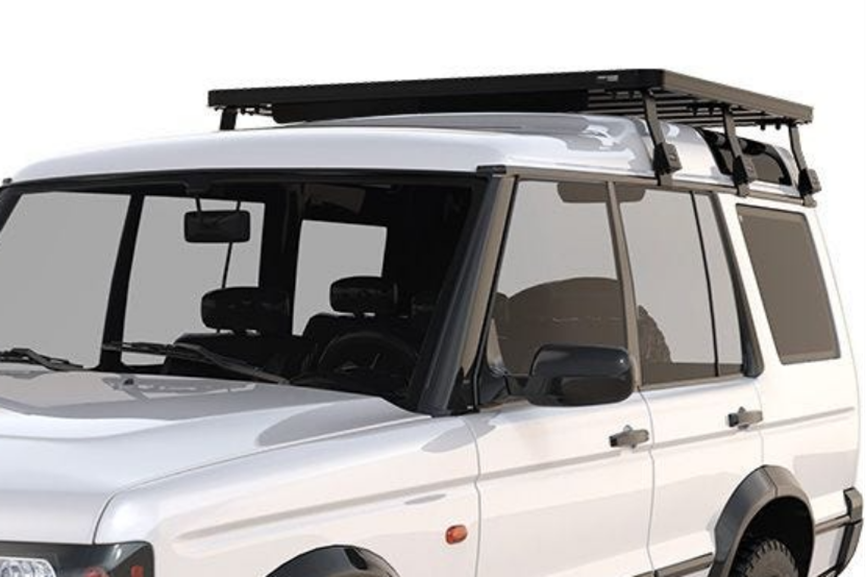
Installation should be straightforward and aligned with your vehicle’s factory design. Systems that utilize original mounting locations eliminate unnecessary drilling, preserve structural integrity, and reduce installation time. In addition, this approach simplifies future removal or adjustments if your travel needs change.
At the same time, aerodynamic design contributes significantly to everyday comfort. Streamlined profiles and integrated wind deflectors help reduce drag, wind noise, and vibration at highway speeds.
Consequently, these features improve driving stability and may positively influence fuel efficiency during long-distance travel. By considering both installation and airflow, you ensure your rack performs reliably without compromising ride quality.
Selecting the right roof rack requires careful evaluation of compatibility, load capacity, durability, versatility, and installation design. When you begin with vehicle-specific fitment and realistic gear assessments, you reduce safety risks and avoid performance limitations.
Moreover, prioritizing strong materials and modular features prepares your vehicle for changing travel demands. As you weigh these factors together, you create a balanced decision rather than focusing on a single feature.
Consequently, your vehicle becomes more capable, organized, and adaptable for different types of adventures. Overall, with the proper roof rack in place, storage becomes efficient, travel feels smoother, and your focus remains firmly on the journey ahead.





















































 consultants ltd.jpg)


