
Home Industry Healthcare Modern Approaches to Treating ...
CIO Bulletin
,
17 April, 2026
Author:
Guest
Varicose veins are often treated like a surface issue, but they usually point to something more than their appearance alone. They can be a sign that the veins in the legs are not able to manage the blood flow as efficiently as they should. That is why the conversation around treatment needs to focus on comfort, circulation, and long-term leg health, not just visible veins.
The first signs are not always dramatic. Some people might notice aching after a long day, while others might experience heaviness, swelling, throbbing, or itchiness around the affected areas. These changes can be easy to ignore at first, especially when they come and go. But repeated discomfort is often the body’s way of saying that the veins deserve attention sooner rather than later.
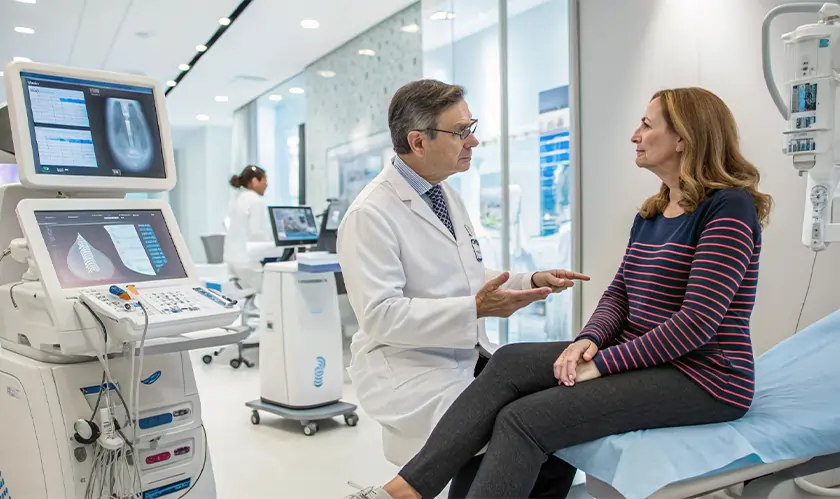
For many people, the first useful step is simply understanding what is happening beneath the surface. Therefore, a proper evaluation can help you find out the exact concern you are facing. If you are researching options to treat varicose veins, you may come across Metro Vein Centers while looking into modern vein care, and that is usually where the broader conversation begins. A good evaluation should not jump straight to treatment. It should explain the cause, the severity, and the most sensible next step.
Today’s care looks very different from earlier treatments, which had more invasive approaches to treatment. Many modern vein treatments are designed to be minimally invasive and targeted, which helps make them more practical for everyday life. Instead of focusing on broad fixes, these treatments address the problem vein itself and allow healthy circulation to take over through alternative pathways.
Common treatment options for varicose veins include sclerotherapy, endovenous laser ablation, radiofrequency ablation, microphlebectomy, VenaSeal, and Varithena. Each treatment option differs in the way it works from the others, but the goal of the treatment remains the same. That is to improve blood flow and decrease the pressure in your veins. A successful treatment helps you reduce pain in the legs and lets them function efficiently. The right choice depends on the person, the vein pattern, and the overall condition of the legs.
If you know you have a vein disease, then waiting is usually not the best strategy. If you wait, varicose veins can become more noticeable over time, and symptoms can also worsen over time. You might notice a mild ache in your legs or swelling, but in the long run, it may eventually interfere with movement, standing, or daily comfort. If you take action as soon as you notice early symptoms, you get to choose from various treatment options and a clearer path forward.
Certain lifestyle factors can trigger the development of varicose veins. If your profession involves standing for a long time, it puts extra pressure on the veins in your legs. If you have a desk job that involves prolonged sitting, that can also slow down the blood flow. Pregnancy, age, travel, and repetitive strain from sports can also add stress to the circulatory system. These factors do not guarantee vein disease, but they can increase the risk when combined over time.
A thoughtful vein plan should feel practical, not overwhelming. That means the evaluation should lead to a clear explanation of what is happening and which minimally invasive treatment is most appropriate. People often feel more confident once they understand that modern vein care is built around precision. It is not about doing more than necessary. It is about doing the right thing for the right vein.
One of the biggest goals of varicose vein treatment is simple comfort. Heavy, aching legs can affect walking, sleeping, working, and even the mood of the day. When treatment is chosen well, the result is often not just a better-looking leg but a better day-to-day experience. That is what makes modern care so appealing. It is meant to support life, not interrupt it.
Varicose veins are common, but that does not mean they should be brushed aside. The best approach is usually the one that balances medical insight with real-life convenience. When people understand the cause, recognize the warning signs, and learn about the available minimally invasive treatments, they are in a much better position to make a confident decision. Good vein care is not about rushing. It is about knowing when to act and choosing a path that makes sense.



















































 consultants ltd.jpg)


