
Home Industry Management consulting Why Every Jobsite Needs a Dedi...
CIO Bulletin
,
05 May, 2026
Author:
Guest
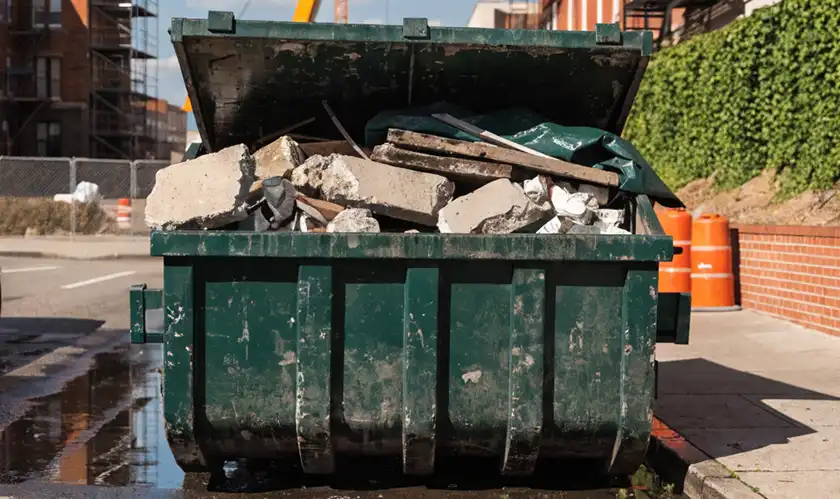
Every active build produces discarded material from day one. Framing offcuts, drywall fragments, shrink wrap, roofing tear-off, and broken masonry can cover work areas quickly. Once debris spreads, crews lose usable space, equipment paths tighten, and footing becomes less stable. A dedicated roll-off dumpster rental gives each phase a defined disposal point, helping supervisors protect workflow, reduce handling time, limit airborne dust, and maintain cleaner ground conditions through final closeout.
Construction teams work best when paths stay open, and staging areas remain predictable. During demolition, framing, and interior finishing, a centrally placed jobsite dumpster rental keeps scrap near the point of generation, lowers repeated lifting, and prevents piles from creeping into travel lanes. With less scattered debris around tools, stored supplies, and delivery zones, subcontractors can move carts, ladders, and materials with fewer delays throughout the day.
Discarded material creates direct injury risk long before anyone notices a serious problem. Exposed nails can puncture boots, splintered wood can cut skin, and loose plastic can slide underfoot. Prompt removal reduces slip, trip, and puncture hazards across active zones. Clearer surfaces also improve line of sight for foremen, making it easier to catch unstable stacks, blocked exits, or poorly stored supplies before someone gets hurt.
Minor cleanup failures often disrupt production more than managers expect. A blocked access lane can delay a drywall delivery, while a cluttered corner can force electricians to reset their work area. Those small interruptions add up over a week. Dedicated disposal capacity keeps staging organized, supports material flow, and gives each trade a better chance of finishing planned tasks without losing time to unnecessary hauling or rearranging.
Labor becomes more expensive when skilled workers spend paid hours carrying refuse across the property or loading trucks for dump runs. Those tasks pull attention away from carpentry, roofing, or concrete placement. On-site containment helps reduce double-handling and limits unscheduled transport. Managers also gain steadier cost visibility when container size, pickup timing, and debris type are planned early, rather than handled after piles have already built up.
Waste streams differ by project phase and material type. A renovation may create mixed loads, while a concrete tear-out can produce a cleaner, heavier stream.
The Environmental Protection Agency estimated that the United States generated more than 600 million tons of construction and demolition debris during
Public-facing jobs are judged long before the final inspection. Nearby residents, tenants, and property managers often respond first to visible disorder. Windblown wrapping, broken boards, and scattered packaging can trigger complaints within hours. A dumpster helps contain that mess and improves curbside appearance. Cleaner surroundings may also reduce dust drift, limit pest activity, and present a more disciplined image during deliveries, walk-throughs, or municipal visits.
Disposal rules can shift by municipality, property type, and material category. Treated lumber, roofing tear-off, paint residue, and masonry often require different handling practices. A dedicated dumpster gives site leaders a repeatable process that crews can follow without guesswork. Scheduled pickups also create a clearer paper trail. That consistency helps support permit conditions, owner expectations, and local disposal requirements across the full duration of the job.
Waste volume changes as a project moves forward. Demolition usually produces dense, bulky material, while finish work tends to create lighter packaging and cutoffs. Matching container size to each phase improves hauling efficiency and prevents overflow. Smaller sites may need one unit, while larger builds often benefit from several bins near separate work zones. That flexibility keeps disposal capacity aligned with actual production, rather than forcing crews to work around shortages.
A dependable waste plan protects more than appearance. It affects injury risk, labor use, schedule control, regulatory compliance, and day-to-day jobsite function. A dedicated roll-off dumpster rental gives crews one reliable place for discarded material and helps supervisors keep the site orderly from start to finish. For projects large or small, organized removal supports cleaner access, steadier progress, and safer conditions for everyone working nearby.





















































 consultants ltd.jpg)


