
Home Platforms Others Is the US and Iran Deal a Comp...
Others
CIO Bulletin,
18 June, 2026
Author:
Gayathri Sr
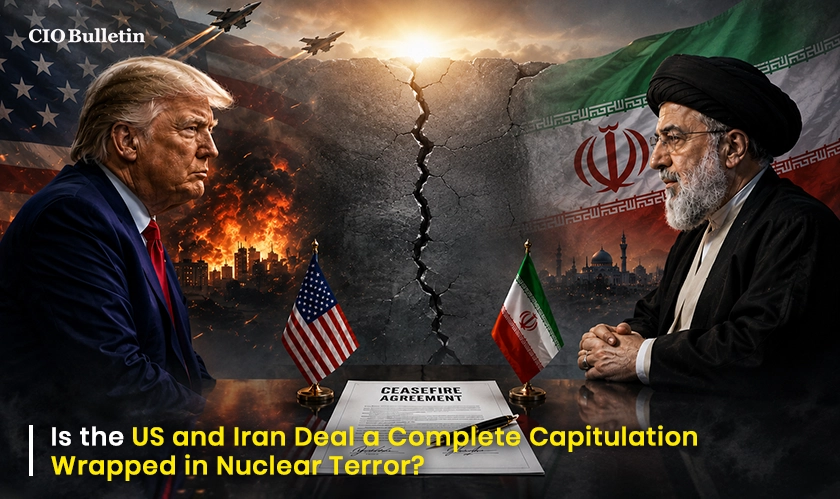
A historic peace treaty is signed in blood as Trump holds a detonator over Tehran while reversing his own war justifications.
Global markets are reeling after a chaotic diplomatic bombshell that many fear is a ticking time bomb rather than a genuine peace agreement. In a stunning, highly controversial twist to a brutal conflict that has already claimed over 7,000 lives, the White House and Tehran have officially released the text of a signed interim agreement. However, instead of fostering global stability, this volatile US and Iran deal has exposed massive structural fractures, with Washington openly threatening immediate mass casualties if its demands are not met.
As monitored closely by CIO Bulletin, the sudden diplomatic pivot has triggered intense skepticism across international intelligence communities. While the historic document marks the very first bilateral pact signed by both nations' presidents since 1979, the ink was barely dry before the American administration threatened to rain down destruction once again. The fragile agreement outlines a temporary path to a potential US and Iran peace deal, yet the terrifying reality is that a single misstep could instantly force the US and Iran end war ambitions to collapse into an even deadlier global catastrophe.
The terms of the agreement represent a shocking retreat from previous hardline American military objectives. After months of devastating blockades and regional warfare, the superpower has conceded to major Iranian demands without completely neutralizing Tehran's capabilities.
The baseline infrastructure of the 14-point memorandum includes:
An immediate, nationwide cessation of hostilities across all regional fronts.
The unfreezing of billions of dollars in restricted Iranian financial assets.
A massive $300 billion post-war economic investment fund for the Islamic Republic.
The full, unrestricted resumption of maritime shipping traffic through the highly vital Strait of Hormuz.
The geopolitical community was left completely flabbergasted by the sheer hypocrisy surrounding the missile crisis. After previously promising to obliterate the region's ballistic capabilities, leadership reversed course entirely, stating it would be "unfair" for Tehran not to possess them. Yet, the combative rhetoric remains sharper than ever. During a highly volatile press conference at the G7 summit in France, Donald Trump sent a chilling warning directly to Iranian officials.
“If I don't like it, if they don't behave, we'll go right back to dropping bombs right smack in the middle of their head, OK?”
While oil prices sharply fluctuated and European allies desperately urged for a parallel ceasefire in war-torn Lebanon, Israel has conspicuously distanced itself from the negotiations. Bombs continue to flatten buildings in southern Lebanese towns, proving that paper treaties rarely dictate the reality of a modern battlefield.
According to strategic analysts reviewed by CIO Bulletin, Iran appears to have retained its internal governance, its enriched uranium, and its proxy alliances while successfully securing massive sanctions relief. This leaves global investors and enterprise leaders asking a dangerous question: Did the West just fund its fiercest adversary, or is this simply a strategic pause before an unavoidable, apocalyptic showdown?

















 consultants ltd.jpg)


