
Home Industry Recycling and waste management Will Political Rivalries in Th...
Recycling And Waste Management
CIO Bulletin
,
15 June, 2026
Author:
Sambhrant Das
Bangkok gubernatorial candidates split over upgrading public sanitation networks without crushing the city's iconic street food economy
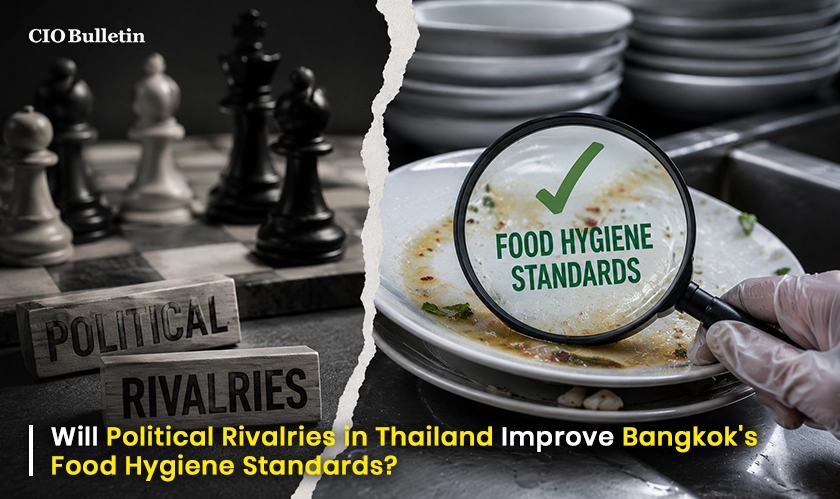
The race for Bangkok’s governorship has turned into a high-stakes debate about the city’s urban environment, and in that process, food hygiene standards have ended up right in the middle of political campaigns. With the municipal election due soon, the leading candidates are split on how to balance the capital’s world-famous street food economy with the deteriorating public sanitation levels. Some political camps are leaning toward immediate infrastructure expansion to handle all the urban trash that keeps building up, while others push for heavy subsidizing of independent roadside stalls. This brewing clash highlights a massive governance challenge: modernizing the city's food scene without pricing out the working-class vendors who form its economic backbone.
Independent frontrunner Chadchart Sittipunt spent his weekend campaign trail focusing heavily on systemic sanitation overhauls, aiming to fix the root causes of urban pollution. He argued that the capital's food reputation is directly tied to the cleanliness of its public streets.
His policy proposes establishing community-run waste separation warehouses across all fifty city districts.
The initiative targets heavy commercial zones where massive piles of organic garbage clog public drainage lines.
Specialized organic disposal systems will be installed near market hubs to ensure kitchen waste is safely processed away from vending stalls.
"Corruption is something I detest." - Chadchart Sittipunt, Bangkok gubernatorial candidates
In stark contrast, two major political opponents chose to build their campaigns around expanding, rather than restricting, the city's informal economy. They claim that tougher municipal rules could threaten small family operations that are already under pressure from intense post-pandemic inflation. Their plans usually revolve around easing operating restrictions, lowering municipal licensing fees, and creating designated public pathways for permanent night markets.
Urban development experts note that Bangkok’s next governor will face an incredibly difficult tightrope walk regarding municipal zoning rules. Roadside dining draws millions of international tourists every year and funnels billions of baht straight into the local economy. However, the ongoing problems refuse to die down—open-air dishwashing, rodent infestations, and improper wastewater dumping, among other issues, create serious public health risks that City Hall cannot afford to postpone anymore.
This whole debate lands at a critical moment of City Hall, which is dealing with high-level allegations of deep-seated bureaucratic corruption and nepotism inside senior administrative ranks. Critics are worried that the political networks already in place will quietly shield well-connected commercial groups while targeting small, independent street sellers during future cleanup drives. CIO Bulletin views this development as a defining test of whether Bangkok can realistically build an inclusive, modern metropolis without sacrificing its authentic cultural identity.














































 consultants ltd.jpg)


