
Home Industry Renewable energy Can Grid Infrastructure Backin...
CIO Bulletin
,
24 June, 2026
Author:
Sambhrant Das
How multilateral backing and advanced battery storage are transforming unstable local power grids into highly predictable, secure havens for green capital across Southeast Asian nations.
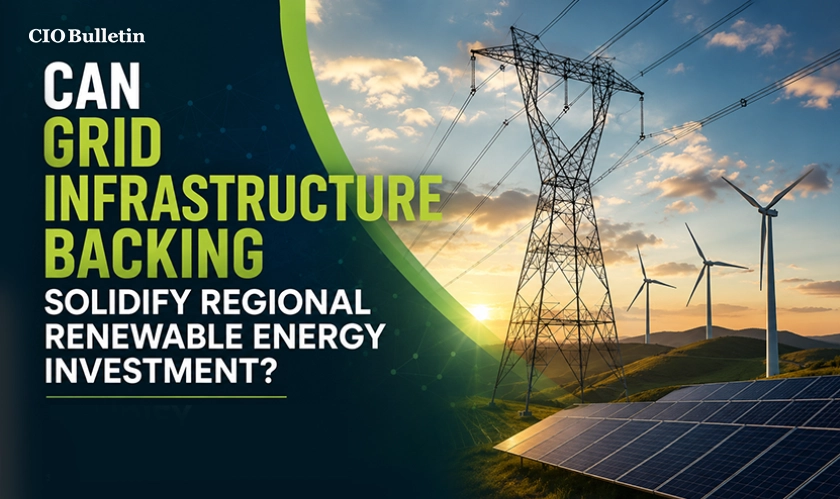
The structural integration of regional electricity grids is experiencing deep shifts as multilateral lenders address growing climate vulnerabilities across vulnerable Southeast Asian nations. The Asian Development Bank approved a sixty three million dollar financing package to build Cambodia first large scale battery facility. This strategic development marks a decisive milestone for cross border renewable energy investment programs aiming to decouple national infrastructure from volatile foreign oil markets.
Advanced Infrastructure Minimizes Price Fluctuations
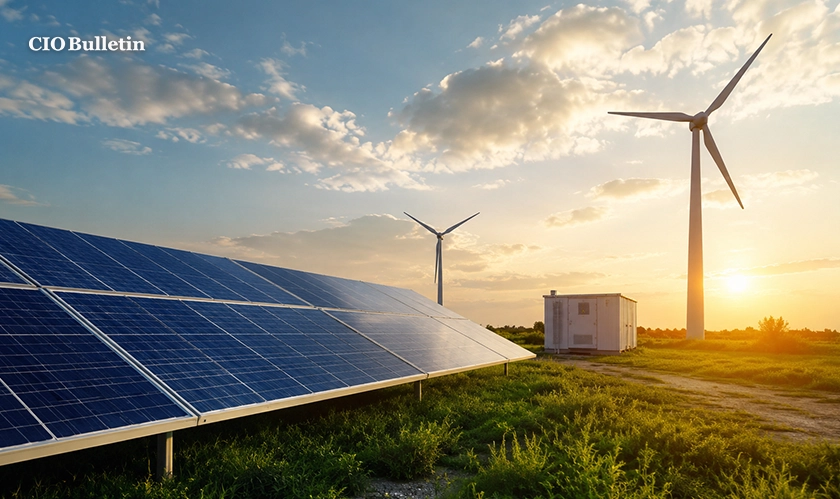
Deploying advanced grid stabilization arrays transforms volatile solar generation into highly predictable utility assets. While macroeconomic pressures impact global renewable energy stocks, public initiatives actively de risk local grids to secure green capital.
Capacity Installations: The project features a two hundred and fifty megawatt battery facility at the Takeo substation to manage peak loads.
Carbon Abatement: Operational systems will eliminate twenty seven thousand metric tons of greenhouse emissions annually.
Successfully navigating national energy transitions requires balancing immediate grid engineering demands against sovereign climate goals. Emphasizing the long term socioeconomic stability provided by domestic storage infrastructure,
“Amid the global energy crisis, this project further reinforces Cambodia’s commitment toward clean energy transition.” - Yasmin Siddiqi, Asian Development Bank Cambodian Country Director.
The broader modernization strategy goes far beyond physical hardware to prioritize comprehensive operational and regulatory overhauls.
Regulatory Frameworks: Specialized modules will establish technical guidelines to manage advanced energy systems.
Workforce Diversification: Shared training initiatives will expand female technical leadership and executive roles within regional engineering sectors.
Because modern commercial hubs rely entirely on stable utility networks to prevent production losses, aging transmission assets require immediate replacement. Establishing interconnected cross border distribution arrays allows neighboring economies to trade power surpluses seamlessly while shielding fragile national grids from external supply shocks. CIO Bulletin views this development as a foundational geopolitical milestone establishing a highly scalable financial template for de risking green infrastructure across expanding emerging markets.
Everything you need to know about this news
Upgrading the grid with really big battery storage levels out the intermittent way solar and wind energy behave. Upon stabilizing the supply, technical risks are largely removed. This leads to regional renewable energy efforts looking more dependable and inviting to private financiers.
With $63 million in financing from the Asian Development Bank, Cambodia is currently working on its first large-scale battery facility planned at the Takeo substation. That also helps position the country as a regional hub able to handle peak loads and push for cross-border clean energy trading at a better pace.
Large battery arrays let countries keep surplus clean energy inside their own borders. In practice, this lowers dependence on volatile foreign oil and gas markets, and it shields local economies from international supply shocks along with unpredictable price surges.
The transition involves extensive structural and regulatory training. Modernization initiatives are specifically designed to diversify the sector by expanding technical leadership and executive engineering roles for women across the region.
By bringing cleaner energy into the main grid and improving how electricity is distributed, the battery units in operation will directly avoid about 27,000 metric tons of greenhouse gas emissions each year.















































 consultants ltd.jpg)


Comments