
Home Technology Security Can Transatlantic Unity Surviv...
CIO Bulletin
,
08 July, 2026
Author:
Sambhrant Das
A high-stakes NATO summit faces severe strain as the White House terminates its maritime agreement and threatens global trade retaliation against dissenting partners.
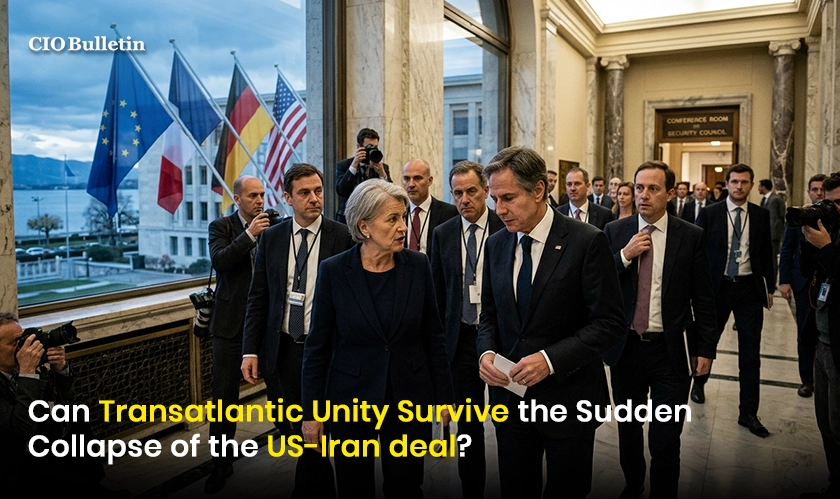
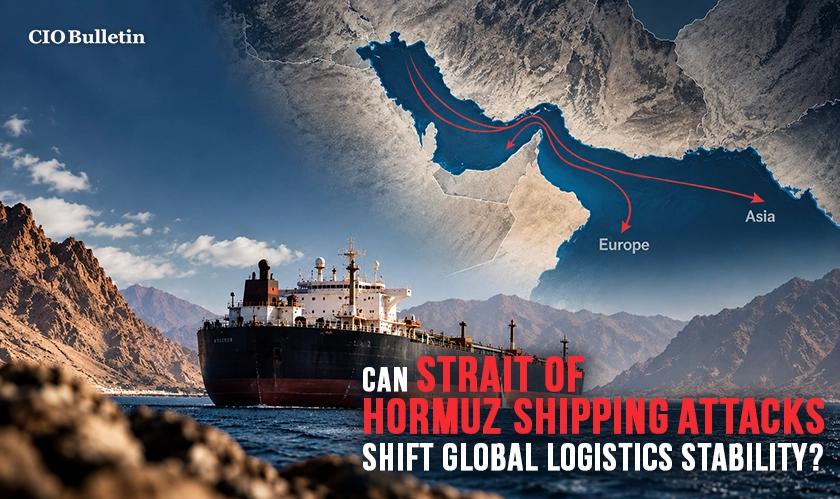
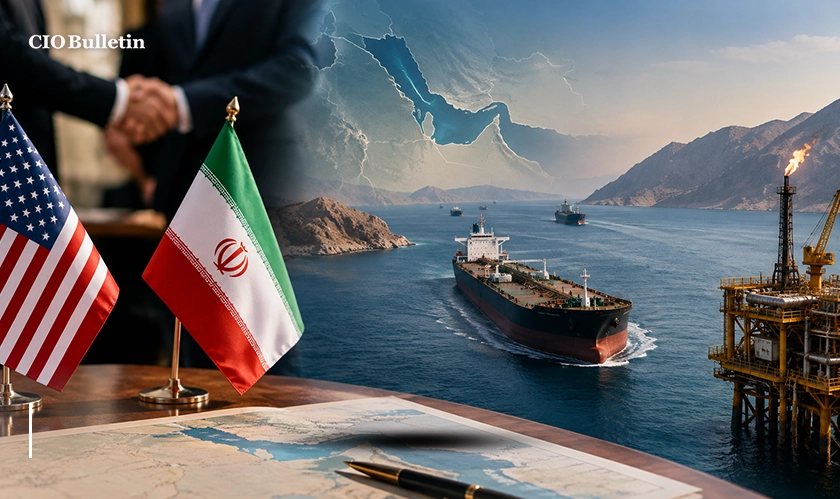
Geopolitical stability fractured in Turkey as Western heads of state gathered to steady their fraying alliance. Arriving at the tense NATO Ankara summit, the American administration completely terminated the fragile maritime ceasefire pact. This unexpected decision effectively neutralizes the US-Iran deal following fresh tanker skirmishes in the Strait of Hormuz, forcing European strategic planners to immediately re-evaluate their regional security assets.
The deep structural strain dividing the partners deepens over logistical support during active combat. Washington expressed immense operational frustration regarding how continental allies restricted access during recent counter-strikes:
Capitals routinely barred coalition aircraft from utilizing sovereign European airspace during active missions.
Local officials refused to grant critical logistical clearances at vital military bases.
Rising regional defense spending failed to offset operational friction.
A profound, unbridgeable diplomatic chasm separates the White House from allies regarding the long-term viability of engaging foreign adversaries. The administration declared that any framework resembling a Trump deal with Iran is permanently finished.
"To me, I think it's over. I don't want to deal with them." – Donald Trump
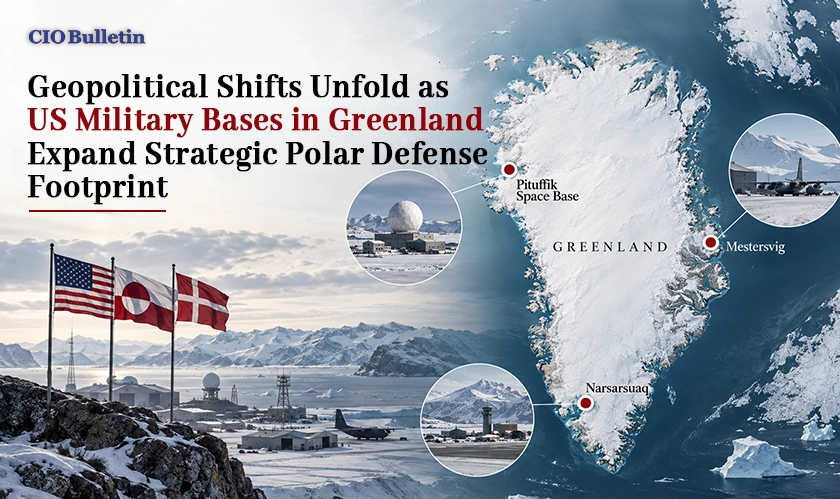
The immediate fallout from the collapsed accord is triggering severe economic penalties against non-compliant European partners. The administration suddenly ordered a complete halt to all bilateral trade ties with Spain, labeling Madrid an unreliable ally. Concurrently, renewed American territorial claims over Greenland have further alienated Nordic counterparts who demand absolute respect for national sovereignty.
The administrative framework guiding Western military integration faces intense pressure as the 2026 campaign cycle advances. Allied nations must rapidly scale independent defense networks to weather unpredictable executive policy choices that disrupt global trade parameters. CIO Bulletin views this development as a clear indicator that standard multilateral agreements risk total operational irrelevance when national interests override global treaties.
Everything you need to know about this news
The accord dissolved following repeated hostilities targeted at commercial fuel tankers traversing the high-stakes trade corridors of the Strait of Hormuz.
Non-compliant nations face direct economic retaliation, highlighted by an immediate White House order terminating trade operations with Spain.
Danish officials flatly rejected the territorial claims, publicly reminding the alliance that the semi-autonomous island remains sovereign and is not for sale.
Several European nations denied the coalition permission to utilize domestic airspace and strategic military bases during active operations against external threats.
While addressing internal fractures, member states have provisionally endorsed a unified summit declaration affirming an unshakeable commitment to mutual territorial defense.
















































 consultants ltd.jpg)


Comments