
Home Technology SaaS Can Lifecycle Optimizations Wi...
CIO Bulletin
,
18 June, 2026
Author:
Sambhrant Das
System integration specialist deploys unified asset tracking platforms across multi property luxury hospitality networks to eliminate structural data bottlenecks
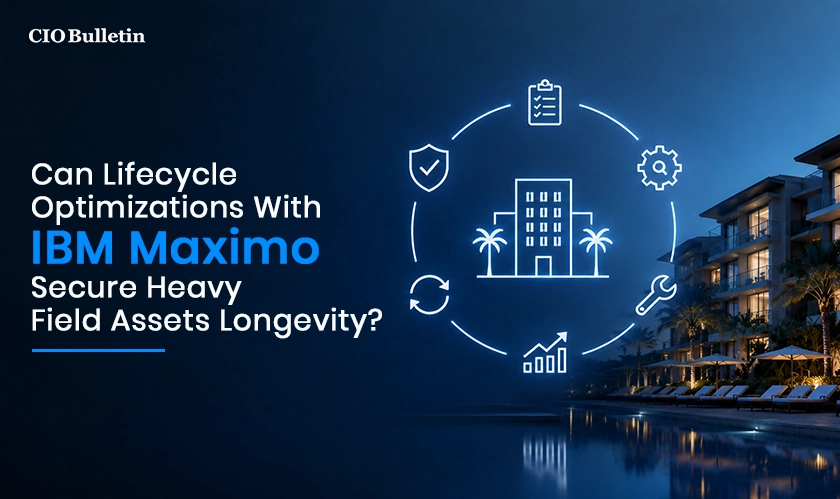
The infrastructure frameworks governing elite hospitality landscapes are experiencing a major operational shift as automated management software replaces rigid legacy hardware databases. System integration specialist Sedin Technologies has officially finalized the complete deployment of the modern cloud-hosted IBM Maximo Application Suite across the widespread regional network of a prominent Asia-Pacific resort operator. This massive operational transition spans five distinct premium properties simultaneously, modernizing critical enterprise workflows for a combined workforce of over 3,000 active platform users. By establishing a unified data center, engineers can successfully eliminate the structural reporting blind spots that frequently disrupt multi-site luxury hotel and casino operations.
The core execution of this sweeping asset transformation relied on a meticulously coordinated deployment protocol designed to prevent costly operational service pauses. Technology teams systematically re-engineered thousands of legacy maintenance pathways, replacing outdated manual custom code arrays with highly flexible, native cloud processing channels.
Minimized Processing Gaps: The final production cutover was completed within a strict six-hour planned operational window, entirely avoiding live performance delays.
API Centric Integration: Legacy system components were completely overhauled using secure REST APIs to connect smoothly with corporate SAP and FCS data pipelines.
Mobile Field Tracking: Ground staff secured instant access to active work files and real-time inventory metrics via specialized Android and iOS mobile interfaces.
"Multi-property hospitality is one of the harder environments to migrate. You have no scheduled downtime, operations that cannot slip, and a workforce spread across departments and locations that all have to move together." - Arul Varadarajan, Managing Partner and EAM Practice Head at Sedin Technologies.
The comprehensive execution of this coordinated SaaS Migration allows sprawling commercial entertainment complexes to minimize their localized hardware maintenance liabilities while boosting raw labor yields. By shifting critical asset monitoring to a fully cloud-hosted platform, corporate leadership teams can successfully drop the expensive local hardware upkeep cycles that typically weigh down standard IT divisions. This massive modernization ensures that multi-layered facilities management teams can systematically track long-term equipment degradation trends without suffering from information fragmentation or data misalignment.
Transitioning ancient, on-premises technical baselines over to automated cloud container platforms serves as a protective barrier for capital investments during periods of high regional market expansion. These responsive, cloud-native frameworks allow independent property supervisors to manage dynamic maintenance requests cleanly and efficiently.
Unified database systems maintain identical compliance baselines across separated geographic zones, preventing local administrative mismatches.
Automated preventive maintenance schedules extend the physical lifecycle of expensive climate control systems and massive power generation units.
Modern cloud containers optimize resource distribution automatically, ensuring rapid system performance during peak tourist occupancy seasons.
As global tourism hubs become increasingly reliant on immediate data analytics to drive guest satisfaction metrics, the survival of heavy infrastructure depends on migrating to centralized digital platforms. Shifting away from isolated, property-specific legacy databases toward integrated cloud supervisors is rapidly transforming into an absolute necessity for organizations looking to protect massive capital investments. Overhauling basic maintenance frameworks to handle complex, predictive data analysis ensures that regional resort operators retain total operational continuity while maximizing long-term energy conservation. CIO Bulletin views this development as a highly progressive corporate milestone that could redefine workplace ecosystems across legacy industries.

















































 consultants ltd.jpg)


