
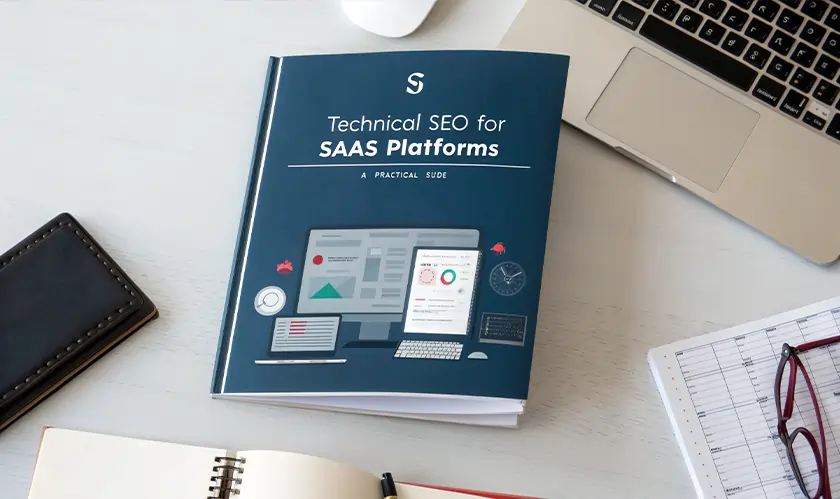
Home Technology SaaS Technical SEO for SaaS Platfor...
CIO Bulletin,
08 April, 2026
Author:
CIO Bulletin Team
SaaS platforms often invest heavily in product development and growth initiatives. Features evolve quickly, teams ship updates often, and user experience remains a top priority. Yet one critical area is frequently overlooked. Technical SEO.
Without a strong technical foundation, even the best content and product pages can struggle to perform in search. Technical SEO ensures that your site is accessible, fast, and structured in a way that search engines can understand. For SaaS businesses aiming to scale, this is not optional. It is essential.
Technical SEO focuses on the infrastructure of your website. It covers how search engines crawl, index, and interpret your pages. Unlike content or link building, it operates behind the scenes but has a direct impact on visibility.
SaaS platforms face unique challenges. Many rely on JavaScript-heavy frameworks, dynamic content, and gated areas behind logins. These elements can make it harder for search engines to access and index important pages. This is where a focused approach to SEO for software companies becomes critical, especially when balancing performance with functionality.
When technical SEO is handled correctly, it supports growth. It ensures that your content can be discovered and that users have a smooth experience once they arrive.
A clear site structure is the backbone of technical SEO. It helps search engines understand how your pages relate to each other. It also improves navigation for users.
SaaS platforms should organize content into logical categories. Product pages, feature pages, and use case pages should each have a defined place within the structure. This makes it easier to target specific keywords and guide users through the site.
Internal linking strengthens this structure. By connecting related pages, you distribute authority and improve crawlability. It also helps users explore more content without friction.
Search engines need to access your pages before they can rank them. This starts with proper crawlability. Files like robots.txt and XML sitemaps guide search engines through your site and highlight important pages.
Duplicate content can create confusion. Canonical tags and noindex directives help control which pages should appear in search results. This is especially important for SaaS platforms with similar or repeated content.
JavaScript adds another layer of complexity. If content is not rendered properly, search engines may miss it. Using server-side rendering or ensuring proper indexing methods can solve this issue.
Speed is a major factor in both user experience and SEO. Slow pages lead to higher bounce rates and lower engagement. For SaaS platforms, this can directly impact conversions.
Core Web Vitals provide a framework for measuring performance. Metrics like load time, interactivity, and visual stability all play a role.
Improving speed often involves simple changes. Compressing images, reducing unnecessary scripts, and using caching can make a noticeable difference. These improvements create a faster and more reliable experience for users.
Mobile-first indexing means that search engines primarily evaluate the mobile version of your site. If your platform does not perform well on smaller screens, rankings can suffer.
Responsive design ensures that your site adapts to different devices. Navigation, layout, and content should remain consistent across screen sizes.
Accessibility is also important. Clear text, proper contrast, and structured HTML improve usability for all users. These elements also help search engines better understand your content.
Product and feature pages are often the most valuable parts of a SaaS website. Each page should be optimized for specific keywords and user intent.
Clear messaging is key. Users should quickly understand what the product does and how it benefits them. Structured content with headings and concise sections improves readability.
URL structure should remain clean and descriptive. Avoid unnecessary parameters that can create confusion. Structured data can also enhance visibility by enabling rich results in search.
As SaaS platforms grow, so does the complexity of their websites. Managing thousands of pages requires careful planning.
Pagination and faceted navigation help organize large sets of content. At the same time, it is important to prevent index bloat. Not every page needs to be indexed. Low-value pages can be excluded to maintain quality.
Automation can support scaling efforts. Templates for metadata and structured content ensure consistency across large sites.
Trust plays a major role in SEO. Secure websites are more likely to perform well and retain users.
HTTPS encryption protects user data and signals reliability. Site uptime also matters. Frequent downtime can harm both user experience and search performance.
Fixing technical errors is equally important. Broken links, redirect issues, and crawl errors should be addressed quickly to maintain a healthy site.
Ongoing monitoring ensures that technical SEO remains effective. Key metrics include crawl errors, index coverage, and page speed.
Tools like Google Search Console provide insights into how search engines view your site. Regular audits help identify issues before they impact performance.
SEO is not a one-time task. Continuous maintenance and updates are necessary as your platform evolves.
SaaS companies often block important pages from being crawled without realizing it. Over-reliance on JavaScript can also limit visibility if content is not properly rendered.
Slow page speeds remain a common issue, especially on feature-heavy platforms. Poor URL structures and lack of mobile optimization can further reduce performance.
These mistakes can limit growth even when other parts of the strategy are strong.
Technical SEO should be integrated into development workflows. It is not something to fix later. Prioritizing performance and scalability from the start creates a stronger foundation.
Maintaining a clean site structure and running regular audits helps prevent issues. Collaboration between SEO and engineering teams ensures that technical decisions support search performance.
Consistency and attention to detail make a difference over time.
Technical SEO forms the foundation of any successful SaaS SEO strategy. It ensures that your platform is accessible, fast, and scalable as your business grows.
By focusing on structure, performance, and continuous improvement, SaaS companies can create a strong base that supports visibility and long-term success.





















 consultants ltd.jpg)


