
Home Industry Architecture and interior design Creating Professional Environm...
Architecture And Interior Design
CIO Bulletin
,
29 October, 2024
Author:
CIO Bulletin Team
In today’s fast-paced business world, the environment you create says a lot about your professionalism. It’s not just about sleek office design or trendy furniture; the spaces where your team collaborates and meets with clients can shape the outcome of those interactions. A well-planned meeting space can elevate the tone of a discussion, inspire creative thinking, and enhance productivity. On the other hand, a poorly designed space can stifle energy and create an atmosphere of disorganization.
In this blog, we’ll explore the importance of crafting professional meeting environments that not only impress but also serve as catalysts for success. You’ll learn how intentional design and thoughtful use of meeting spaces and business lounges can contribute to smoother communication, higher levels of engagement, and ultimately, better business outcomes. Whether you're a business owner or an office manager, understanding the role these spaces play is crucial to optimizing your team’s performance.
The environment in which a meeting takes place significantly affects how people behave and interact. Picture walking into a bright, organized room with comfortable seating and state-of-the-art technology at your fingertips. Instantly, there's a sense of purpose and professionalism. Now, imagine the opposite — dim lighting, cluttered tables, and outdated equipment. It’s hard to focus, and the mood shifts to one of distraction.
The design of your meeting space can influence how productive and engaged participants are during discussions. It sets the tone for how seriously people take the meeting. Research has shown that environments conducive to focus and comfort can lead to better decision-making and more effective collaboration. A thoughtfully designed space can foster an atmosphere of trust and respect, ensuring that everyone feels comfortable sharing their ideas.
Additionally, your meeting space is often the first impression you make on clients and partners. A well-maintained and strategically designed room reflects the professionalism of your business, making a strong statement about your attention to detail. Many businesses have found that investing in their meeting spaces yields returns in the form of more productive meetings, stronger client relationships, and smoother team collaboration.
Effective meeting spaces aren’t just about a table and chairs; they’re about creating an environment that fosters communication and innovation. A well-designed meeting room can turn a simple brainstorming session into a breakthrough moment, while business lounges offer the flexibility and comfort needed for more relaxed, informal conversations.
In modern workplaces, meeting spaces and business lounges play a dual role. On one hand, they serve as formal areas for structured discussions. On the other, business lounges provide professionals with a comfortable environment for impromptu meetings or catching up on work between appointments. These lounges often combine the professionalism of an office with the comfort of a casual setting, making them ideal for networking or hosting informal gatherings without compromising on business standards.
The key to maximizing these spaces lies in thoughtful design. Incorporating elements like adjustable lighting, comfortable seating, and advanced technological tools can elevate the functionality of any meeting room or business lounge. By making these spaces both practical and inviting, businesses can create areas where employees and clients alike feel encouraged to share ideas, collaborate effectively, and build stronger connections.
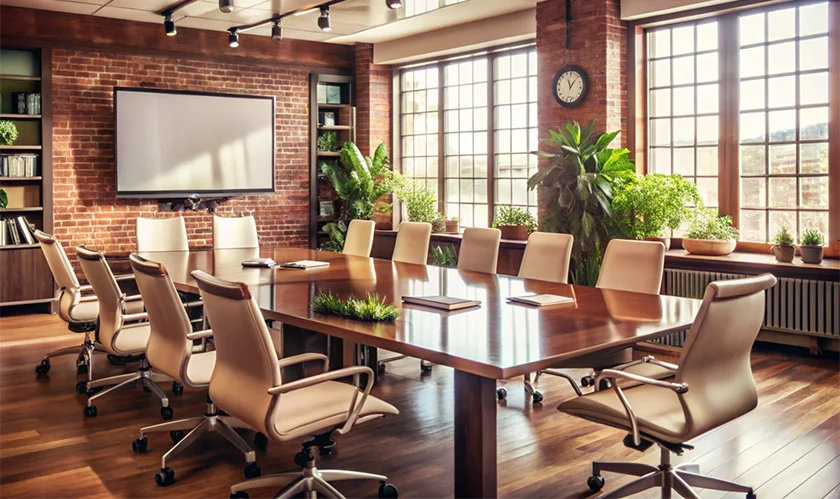
To create a truly professional environment, meeting spaces need to balance comfort with functionality. The best spaces are designed to foster collaboration and focus, but they also need to be adaptable to different types of meetings. Whether it's a formal client presentation or a casual team brainstorming session, the room should support the purpose of the meeting.
One of the most important elements of a successful meeting space is lighting. Natural light is often preferable because it boosts mood and productivity, but adjustable artificial lighting can also be crucial for presentations or video conferencing. Poor lighting, on the other hand, can make people feel fatigued and disengaged.
Another key factor is the furniture. Comfortable yet professional seating helps participants stay focused without getting too relaxed. Ergonomically designed chairs and tables that allow for easy access to power outlets and technology are essential. A flexible layout is also important—modular furniture that can be rearranged to suit different group sizes or meeting types makes the space more versatile.
Technology plays a huge role in modern meeting spaces. A room equipped with high-quality video conferencing tools, large displays, and strong internet connectivity ensures that meetings run smoothly, especially for businesses that work with remote teams or clients. Additionally, providing easy access to shared digital platforms for collaboration, such as cloud-based file-sharing services, can streamline communication during the meeting.
The design and use of meeting spaces have evolved rapidly in recent years. Traditional boardrooms are being replaced by more dynamic, multi-functional spaces that cater to the needs of modern businesses. One of the major trends is the move toward open, flexible layouts that encourage collaboration and interaction, rather than rigid, formal setups. This shift reflects a broader change in workplace culture, where hierarchy is often de-emphasized in favor of a more collaborative approach.
Another growing trend is the integration of technology. Smart meeting rooms equipped with touch-screen displays, virtual whiteboards, and even AI-powered tools for meeting management are becoming the norm. These advancements not only streamline the technical aspects of meetings but also improve overall productivity by minimizing technical hiccups.
Additionally, the rise of hybrid work models has pushed businesses to rethink their use of meeting spaces and business lounges. With many employees splitting their time between the office and home, there’s an increased demand for spaces that are not only functional but also welcoming and adaptable. Business lounges, in particular, have become more common in co-working spaces and corporate offices alike, offering a middle ground between formal meeting rooms and casual work areas. They allow for impromptu gatherings and provide a relaxed atmosphere for networking and informal discussions.
The aesthetic of meeting spaces is also evolving, with more emphasis on biophilic design—incorporating natural elements like plants, wood, and natural light to create a calming, inspiring environment. This design philosophy is rooted in the idea that a connection to nature enhances well-being, creativity, and productivity in the workplace. As a result, many modern meeting spaces and lounges are adopting this style to create environments that not only look professional but also promote mental clarity and focus.
Meeting spaces aren’t just about conducting routine meetings; they can be strategic assets that drive business growth. A well-designed space can boost employee engagement, enhance client relationships, and facilitate collaboration, all of which contribute to long-term success. Businesses that invest in creating functional, appealing meeting environments often see a return in the form of increased productivity and stronger team dynamics.
For businesses looking to grow, optimizing meeting spaces can make a big difference. The key is to ensure that these spaces aren’t just available but also adaptable to various needs. For instance, a space that can easily transition from a formal boardroom to a casual brainstorming hub offers versatility, making it a valuable resource for teams of all sizes. Additionally, businesses can leverage their meeting spaces to impress clients, creating a positive, lasting impression that may lead to new partnerships or contracts.
Maintaining the space is also crucial. Keeping the room clean, organized, and updated with the latest technology ensures it remains inviting and functional. Regularly assessing whether the design still serves its purpose is important, as business needs change over time. By keeping the space aligned with company goals, businesses can use their meeting environments as a powerful tool to support growth and innovation.
The environments we create in the workplace have a direct impact on productivity, creativity, and professionalism. Meeting spaces and business lounges play a vital role in shaping how people interact, whether it's fostering collaboration among team members or leaving a lasting impression on clients.
By thoughtfully designing and maintaining these spaces, businesses can unlock new opportunities for growth, enhance communication, and build stronger professional relationships. As companies continue to evolve, so too should their meeting spaces, ensuring they remain valuable assets in today’s dynamic business landscape.


















































 consultants ltd.jpg)


