
Home Industry Clean energy Can the New DCM Shriram Renewa...
CIO Bulletin
,
18 July, 2026
Author:
Sambhrant Das
DCM Shriram injects rs 105 crore into serentica renewables to source fifty eight megawatt hybrid green energy for its chemical plant in gujarat
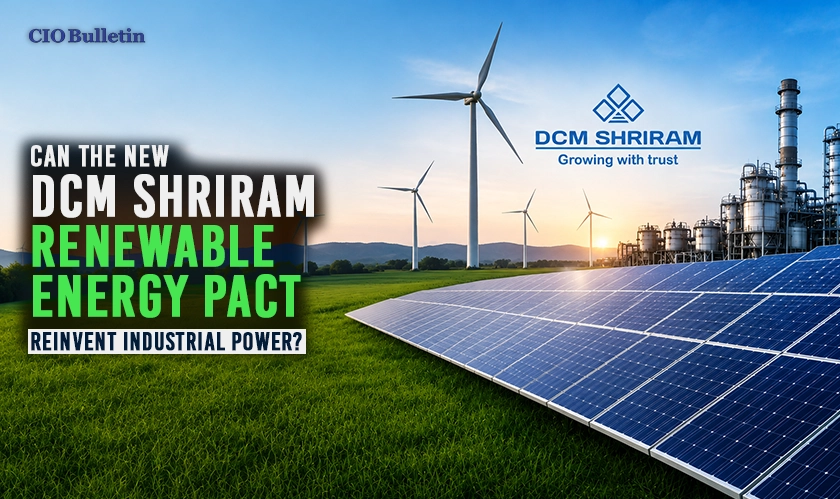
A major industrial transformation is taking place across the domestic manufacturing landscape as legacy corporations systematically transition away from carbon-heavy captive electricity grids. Highlighting this transition, a definitive corporate agreement was executed to construct a massive 58-megawatt peak hybrid power network. The calculated deployment of the DCM Shriram renewable energy framework will directly feed the company's energy-intensive manufacturing clusters situated in Bharuch, Gujarat.
The upcoming infrastructural expansion utilizes an advanced distribution layout to ensure stable, round-the-clock green operations. The core manufacturing improvements are centered on:
Harnessing large-scale photovoltaic solar generation arrays situated across Rajasthan.
Sourcing high-capacity wind turbine generation assets stationed throughout Karnataka.
By actively scaling up independent green power generation, the chemical producer aims to insulate its manufacturing margins from highly erratic commercial utility pricing structures. The corporate layout targets the elimination of roughly 400,000 tonnes of carbon dioxide emissions every single year.
"The agreement is a strategic step in expanding the share of renewable energy across our chemical operations," - Sabaleel Nandy, CEO of DCM Shriram Chemicals.
This joint development pushes the conglomerate’s combined green electricity baseline to a substantial 176 megawatts across its primary industrial hubs. The specialized asset distribution strategy allows heavy industrial plants to minimize their exposure to unpredictable state tariff hikes while hitting strict national clean-energy compliance targets. The entire collaborative hybrid infrastructure setup is officially scheduled to go live by June 2027.
Relying on cross-country hybrid distribution models represents a major operational upgrade for energy-intensive sectors striving for long-term survival. Transitioning corporate supply networks to clean infrastructure protects underlying asset stability while ensuring predictable baseline overhead costs. CIO Bulletin views this development as a highly reliable operational evolution that will successfully shield regional manufacturing plants against future global fossil fuel price volatility.
Everything you need to know about this news
The organization has committed an equity investment of up to Rs. 105 crore across multiple tranches to acquire a minimum 26 percent stake in the project.
The electricity will primarily supply the firm's highly energy-intensive chlor-alkali and chemical manufacturing plants operating out of Bharuch, Gujarat.
The hybrid electricity framework sources solar power from installations in Rajasthan alongside dedicated wind energy farms located across Karnataka.
Upon full commissioning, the organization's collective green power capability will scale up significantly to touch 176 megawatts peak across its multi-state sites.
According to official corporate filings, the entire multi-state hybrid distribution system is firmly scheduled to begin commercial operations by June 2027.



















































 consultants ltd.jpg)


Comments