
Home Industry Food and beverage Will Uber’s $15 Billion Bet ...
CIO Bulletin
,
16 July, 2026
Author:
Gayathri Sr
A massive corporate takeover aims to create a 99-country takeout empire, but regulatory watchdogs are already sharpening their teeth.
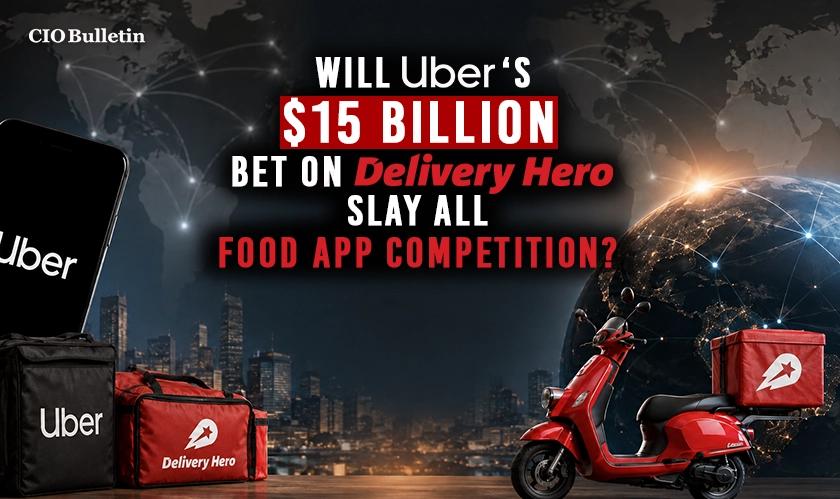
The global food delivery landscape is on the brink of a historic transformation. Tech giant Uber has officially launched a staggering $14.8 billion takeover bid for Delivery Hero, a move that could permanently alter how the world orders food. According to corporate intelligence reviewed by CIO Bulletin, this aggressive maneuver aims to create an unprecedented delivery empire spanning 99 countries. The corporate marriage is designed to counter intensifying pressure from aggressive global rivals like DoorDash and Just Eat.
The proposed acquisition offers a generous 34% premium over the German company's recent average stock price, proving just how highly Uber values international dominance. By absorbing household delivery brands like foodpanda, Talabat, and Glovo, Uber plans to nearly double its dual footprint in ride-hailing and courier services. However, building the largest food-delivery group outside of China will not be a walk in the park.
Antitrust regulators are expected to scrutinize the deal heavily due to massive market overlaps, prompting industry experts to predict a long, slow march to final approval. To smooth out these legal hurdles, the Berlin-based firm has already agreed to divest its business across 14 distinct markets to an independent investment firm.
Despite the long regulatory road ahead, with completion not expected until the second half of 2027, company leaders believe consolidation is the only way to survive. The necessity of this massive alliance was highlighted by Supervisory Board Chair Kristin Skogen Lund, who stated:
“Joining forces with a strong partner now is the right move for Delivery Hero to best secure its future competitiveness.”
As part of the historic agreement, Uber has pledged to invest €2 billion in Germany and protect the local workforce until at least 2029. This ensures that while global ownership changes hands, the operational roots remain intact. The tech world now watches to see if this blockbuster deal will pass the ultimate regulatory test.
Everything you need to know about this news
Uber faces fierce global competition from rapidly expanding rivals like DoorDash. Buying market share allows them to instantly scale their operations worldwide rather than building networks from scratch
Major regional delivery giants operating under the Delivery Hero umbrella, including foodpanda, Talabat, Glovo, and PedidosYa, will become part of the extended Uber ecosystem.
Because Uber and the target firm overlap significantly in many countries, antitrust watchdogs worry the merger could create a monopoly, reducing choice for consumers and restaurants.
While consolidation improves delivery efficiency, a lack of direct competition in certain regions could give the combined tech giant more leverage over delivery fees and restaurant commissions.
Yes. As part of the strategic agreement, Uber has committed to preserving the Berlin headquarters and safeguarding the existing local workforce until at least 2029.






































 consultants ltd.jpg)


Comments