
Home Industry Healthcare Ozempic Pens: Your Guide to Be...
CIO Bulletin
,
13 November, 2024
Author:
CIO Bulletin Team
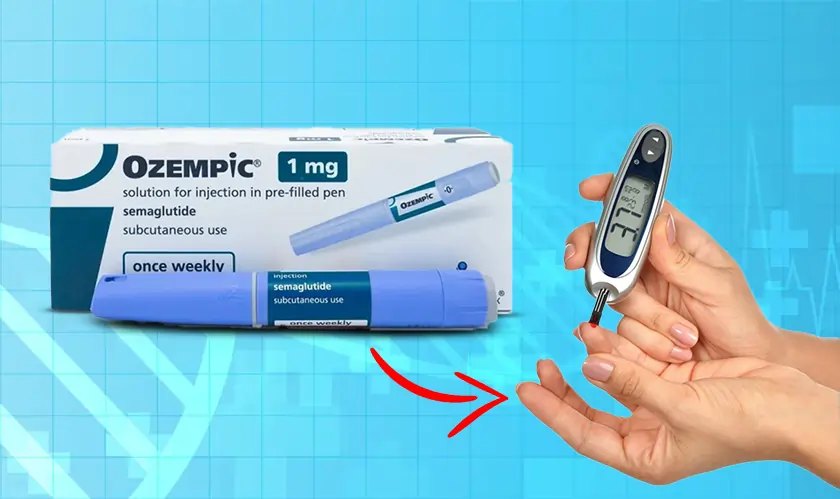
When it comes to managing type 2 diabetes, Ozempic pens offer a convenient and effective option. These injectable prescription medications, with their unique dose selector and dose counter, are designed to help improve blood sugar levels while potentially reducing major cardiovascular events. Here’s a comprehensive guide to understanding how Ozempic pens work, their benefits, and what to expect with each dose.
Ozempic pens, often recognized for their active ingredient semaglutide, are injectable prescription medicines aimed at treating type 2 diabetes. Semaglutide helps improve blood sugar control and offers support for chronic weight management, which is crucial for diabetes care. Available in 0.25 mg, 0.5 mg, and 1 mg doses, these pens deliver precise doses that patients can easily adjust using the dose selector. The design ensures safety and accuracy with each injection.
Dose Selector: Allows precise dosing for starting doses or maximum maintenance doses.
Dose Counter: Shows remaining doses and stops when the full dose is delivered, ensuring accuracy.
Disposable Design: Each pen is disposable, making it convenient and easy to use.
The pen includes several safety features, such as the pen cap to keep the needle sterile, the dose button for controlled injection, and the dose counter, which indicates the exact dose. These elements help simplify the injection process, which is especially helpful for those new to injectable prescription medicine.
Ozempic works by enhancing the body’s natural response to insulin and reducing blood sugar spikes. By controlling blood sugar levels, Ozempic helps lower the risk of serious complications associated with diabetes, like heart disease and diabetic retinopathy. It also promotes weight loss, which is beneficial for overall diabetes management.
The 0.25 mg dose typically starts a patient’s journey with Ozempic, gradually increasing to the 0.5 mg and eventually reaching a maximum maintenance dose based on individual needs. It's important to maintain a regularly scheduled day for the injection, even if a dose is missed. Missing doses frequently may lead to fluctuations in blood sugar levels, impacting the overall effectiveness of the treatment.
Select the Injection Site: The upper arm, thigh, or abdomen are recommended sites for injection. Rotating sites will help avoid skin irritation.
Use a New Needle Each Time: Attach a new needle to avoid infection and to ensure the dose is delivered correctly.
Dispose of Needles Safely: Place used needles in an approved sharps container with a puncture-resistant lid to keep the disposal process safe.
Proper injection technique is key to avoid any complications. Ensure that the needle tip is inserted correctly, and press the dose button until the dose counter shows it has stopped. It’s always recommended to check with a healthcare provider for guidance if unsure.
While Ozempic pens offer many benefits, there are important safety considerations. Common side effects include nausea, vomiting, and upper stomach pain. Serious side effects may occur, such as kidney failure, thyroid tumors, and severe rash. If any signs of a serious allergic reaction like difficulty breathing, rapid heartbeat, or trouble swallowing appear, seek medical help immediately.
In clinical studies, some patients developed possible thyroid cancer and medullary thyroid carcinoma. Regular monitoring by a healthcare provider will help detect early signs of these serious conditions. Novo Nordisk Assistance Programs may offer support for those with limited access to prescription drugs.
If you're using Ozempic, make sure to talk to your healthcare provider about other medicines and supplements you take, including herbal supplements and over-the-counter medicines. Certain medications may interact with Ozempic, impacting blood sugar levels or increasing the risk of adverse effects. For instance, over-the-counter pain relievers and diabetic retinopathy treatments may require dosage adjustments or additional monitoring.
Pregnancy and Breastfeeding: Ozempic may affect an unborn baby, so discuss all potential risks with your healthcare provider if you’re pregnant or planning to become pregnant. Ozempic may also pass into breast milk, so it’s essential to evaluate the risks and benefits.
Endocrine System Conditions: Conditions like medullary thyroid carcinoma and other endocrine disorders may affect the suitability of Ozempic. Talk to your healthcare provider to ensure this medication aligns with your health profile.
Commercial Insurance and Assistance: Many insurance plans cover Ozempic, and Novo Nordisk provides support through assistance programs to help with access to this medication.
For those managing type 2 diabetes, Ozempic pens offer an easy and effective way to control blood sugar. The pen window makes it easy to track remaining doses, while the expiration date helps ensure medication effectiveness. Ozempic pens are not only practical but also a reliable tool in a diabetes management routine.
By staying consistent with doses, monitoring any side effects, and regularly consulting with your healthcare provider, you will effectively manage your diabetes. Use a new pen when required, and keep track of how many doses are left with the dose counter. Following these steps can lead to a smooth experience with Ozempic pens and better control of blood sugar over time.
Managing diabetes is a daily commitment, but with the right tools, it becomes achievable. Whether you're starting with the 0.25 mg dose or moving to the maximum recommended dosage, the benefits of Ozempic pens can be significant. Regular medical check-ups, proper dosing, and safe disposal practices make all the difference in achieving health goals.
The Ozempic pen delivers doses of semaglutide injection, a prescription medication that helps manage blood sugar levels in type 2 diabetes.
If you have a missed dose, take it as soon as possible unless it’s close to your next scheduled dose.
Ozempic may cause serious allergic reactions and low blood sugar; speak with your healthcare provider if symptoms arise.





















































 consultants ltd.jpg)


