
Home Industry Law ethics and legal services A DUI Arrest: The Evidence Tha...
CIO Bulletin
,
24 October, 2026
Author:
Guest
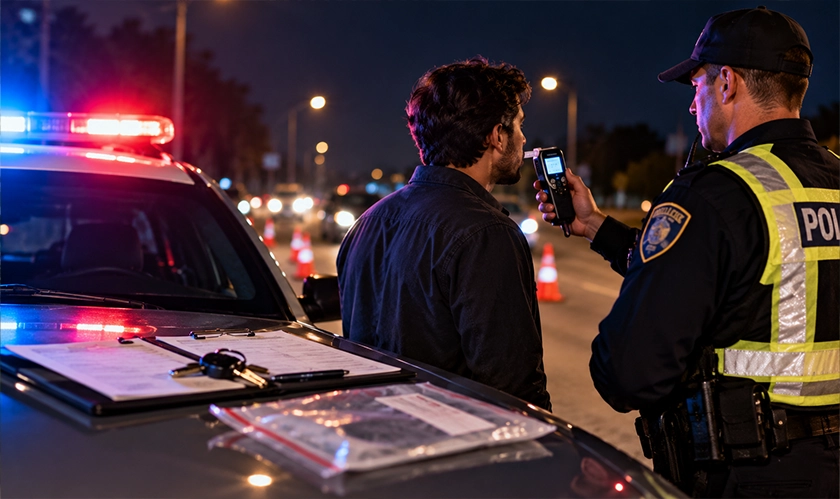
A DUI arrest in Colorado Springs can start with a traffic stop and quickly lead to roadside tests, chemical testing, and a court case in El Paso County. The officer’s report can make the case sound settled before the defense has reviewed a single recording or test record. That first report is only one part of the evidence.
A Colorado Springs DUI lawyer can compare the officer’s account with body camera footage, test records, witness information, and the timeline of the stop. The defense strategy depends on what those records actually show. A strong review starts before deciding whether the main issue involves the stop, alcohol testing, police instructions, or another part of the arrest.
The defense first needs to know why the officer stopped the vehicle. A traffic violation, unsafe driving, equipment problem, or another observed fact can provide a legal reason for a stop.
The report can say that the vehicle crossed a lane line several times. Video can show something different. It can show one brief touch of the line on a poorly marked road or movement caused by another vehicle.
The defense can compare the written reason with dash camera footage and the road itself. If the officer lacked a proper legal reason to begin the stop, evidence collected afterward can face a court challenge.
Body camera and dash camera footage can be useful, as it can illustrate how you spoke, moved, followed directions, and interacted with the officer.
An officer can describe someone as confused while the recording shows clear answers. A report can state that a driver had trouble standing while video shows the person standing normally during a long conversation.
Video can also support the officer’s account. A useful defense review does not ignore evidence that hurts the case. It compares every claim with the recording and builds the strategy around the full picture.
Roadside sobriety tests depend on instructions and physical conditions. The surface can slope. Traffic can create noise. Cold weather, footwear, an old injury, or a balance problem can affect performance.
The defense can review what the officer explained before each test. A missed step means less when the instruction was unclear or interrupted.
The report also needs detail. Saying that someone “failed” a test gives less information than describing the exact action the officer observed. The defense can compare each claimed mistake with the recording.
A breath or blood result can become a major part of a Colorado DUI case. The number still needs supporting records.
For a breath test, the defense can review device records, testing procedures, the timing of the test, and whether the sample met the required standards. Blood evidence creates different questions about collection, labeling, storage, and laboratory testing.
The time between driving and testing also deserves attention. A later result does not automatically describe the exact alcohol level at an earlier moment without further analysis.
Drivers can make damaging statements before they understand that the officer is building a DUI case. A person can estimate how much they drank, guess at the time of the last drink, or agree with an officer’s wording.
Those statements need context. A nervous estimate is different from a measured fact. The defense can compare the statement with receipts, phone records, witness accounts, and test timing.
The exact question also counts. A short answer can sound different when the full conversation is reviewed.
A DUI defense does not start with one standard argument. One case can turn on the traffic stop. Another can depend on a chemical test. A third can involve a conflict between the police report and video.
The defense needs the reports, recordings, test records, and court documents before deciding which issues deserve the most attention.
A DUI arrest creates allegations. The evidence determines how well those allegations hold up. Careful review can show which parts agree, which parts conflict, and which legal questions need to be raised before the case reaches a final result.




















































 consultants ltd.jpg)


Comments