
Home Industry Law ethics and legal services A DWI Arrest Can Have Lasting ...
CIO Bulletin, 17 November, 2026
Author:
CIO Bulletin Team
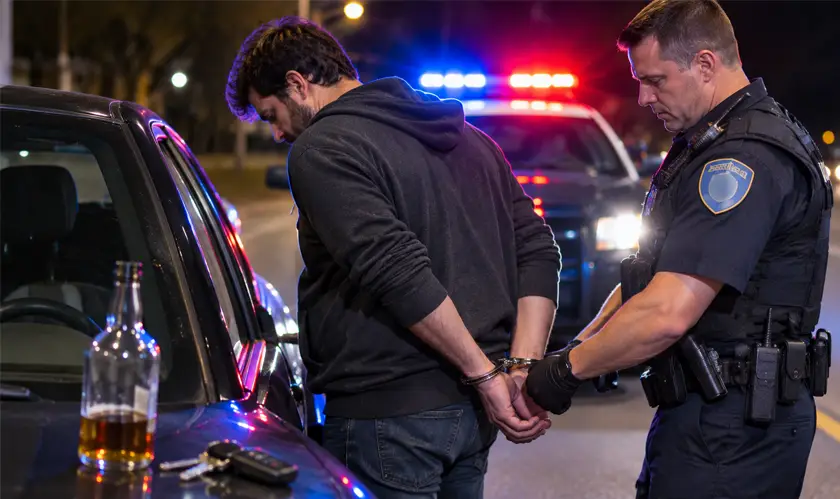
Charlotte's busy roads connect residential neighborhoods, business districts, and popular destinations across Mecklenburg County. From daily commutes to evenings spent in Uptown, driving is part of everyday life for many people in the area. But a decision to drive after drinking, or an allegation of impaired driving, can quickly disrupt that routine.
North Carolina takes impaired driving seriously. Even a first offense can lead to license revocation, fines, and other penalties. Repeat offenses or cases involving injuries can bring much harsher consequences. If you're facing an arrest, speaking with a Charlotte DWI lawyer can help you understand the charges, the evidence, and what steps you can take to protect your rights.
Many drivers assume they can only be charged with driving while impaired if a breath test shows a blood alcohol concentration (BAC) of 0.08 or higher. North Carolina law has another basis for a DWI charge. A person can be charged if an impairing substance affects their ability to drive, even when their BAC is below that limit.
The law also covers impairment caused by drugs. This includes illegal substances and certain prescription or over-the-counter medications. A person does not have to feel drunk or notice a clear change in their behavior to face an investigation. What matters is whether the substance impaired their ability to operate a vehicle.
A DWI arrest can create an immediate problem with your driving privileges. Under North Carolina’s implied-consent law, a driver’s license may be revoked for at least 30 days if the driver refuses a required chemical test or has a BAC of 0.08 or higher. Different thresholds apply to commercial drivers and people under 21.
This is a civil license action. It is separate from the criminal case, so it can move forward even while the DWI charge is still pending. The driver may have a right to challenge the revocation, but there are deadlines and procedures to follow.
Some drivers refuse chemical testing because they believe it will make the case harder for the state to prove. That decision can create another legal problem.
A refusal can lead to an immediate license revocation and an additional revocation after the driver has an opportunity for a hearing. The refusal may also be introduced as evidence in the criminal case. It does not automatically prove guilt, but it can become part of the prosecution’s argument.
The circumstances surrounding the request for testing matter. Officers and chemical analysts must follow the required procedures. If they do not follow those steps, how the test result or refusal is used may become an issue in the case.
North Carolina does not impose the same sentence for every DWI conviction. Instead, the court uses a six-level system, ranging from Level Five to Aggravated Level One.
The judge considers factors that may increase or reduce the sentence. A prior DWI conviction within the previous seven years is one factor that can increase the punishment level. Other grossly aggravating factors include driving while the license is revoked for a prior DWI, causing serious injury, or having a child under 18 in the vehicle.
A BAC of 0.08 is the standard threshold for a per se DWI charge for most adult drivers. But a much higher reading can affect sentencing.
Under North Carolina law, a BAC of 0.15 or higher is an aggravating factor. The court must consider it along with the other facts when deciding the punishment level. It does not automatically determine the sentence, but it can make the outcome more serious.
Other aggravating factors include especially reckless or dangerous driving and negligent driving that leads to a reportable accident. The court weighs these facts against any mitigating factors supported by the evidence.
A person who has been arrested may feel pressure to explain what happened. They might want to clear up a misunderstanding or provide officers more information. But statements made during an investigation can later become evidence.
It is sensible to avoid discussing the details of the case with other people or posting about the incident online. Messages, photographs, and social media activity may also become relevant.
If you have been arrested, ask to speak with an attorney before answering questions about the alleged offense. You should also keep paperwork from the arrest, note any upcoming court dates, and follow all court instructions.
A DWI arrest in North Carolina can affect your license, finances, employment, and criminal record. Some consequences begin before the court reaches a decision, while others can continue for years after a conviction. The details of the arrest and the driver’s history matter.
If you have been arrested for impaired driving in Charlotte, do not assume the case is straightforward or that the penalties are fixed. A lawyer can explain the charges, review the evidence, and help you understand the options available under North Carolina law.





















































 consultants ltd.jpg)


Comments