
Home Industry Law ethics and legal services What Happens When the Vehicle ...
CIO Bulletin
,
16 October, 2026
Author:
Guest
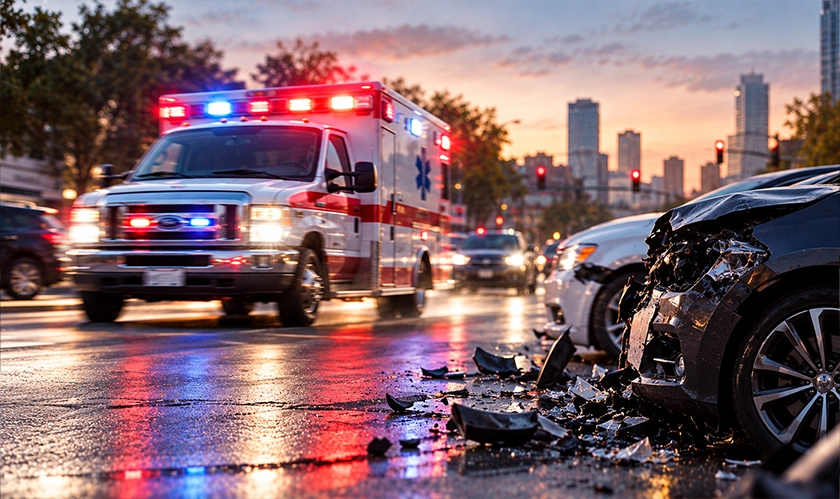
Sirens wail, lights flash, and traffic scrambles to clear a path. Somewhere ahead, someone is waiting for help, maybe a house fire, a heart attack, or a crime in progress. Every second feels critical to the crew behind the wheel.
Sometimes, in that rush, something goes wrong. A fire truck enters an intersection as a car rolls through, or an ambulance swerves around stopped traffic and clips another vehicle. Suddenly, an emergency response has created a brand new emergency.
These crashes raise tough questions. Emergency drivers have important jobs and special privileges, but other people on the road still have a right to safety. Sorting out responsibility afterward involves rules that look quite different from an ordinary fender bender.
Texas law gives emergency vehicle drivers certain privileges when responding to calls. With proper lights and sirens in use, they may exceed speed limits, proceed through red lights after slowing as needed for safety, and disregard some traffic rules.
Those privileges come with strings attached. The law requires emergency drivers to use appropriate audible or visual signals in most situations, and it doesn't relieve them of the duty to drive with appropriate regard for the safety of everyone else on the road.
That balance sits at the heart of many emergency vehicle accidents. Questions often focus on speed, whether warnings were active, how the driver approached a red light, and whether the driver took reasonable care given the circumstances of the call.
Intersections are among the riskiest places for emergency vehicles. Crossing against a red light means relying on other drivers to notice the sirens and stop. A single distracted motorist can turn a routine response into a collision.
Heavy traffic adds pressure. Emergency drivers often weave around stopped cars, use opposing lanes, or squeeze through narrow gaps. Each maneuver requires quick judgment about space, speed, and how surrounding drivers might react. Each one carries risk for the crew and for everyone nearby.
Pedestrians and unpredictable motorists raise the stakes further. Some drivers freeze, others pull left instead of right, and some don't hear sirens over music or closed windows. Emergency drivers must make split-second calls while managing radios, GPS directions, and the urgency of the call.
When an emergency vehicle approaches with lights and sirens active, Texas law generally requires drivers to yield. That usually means pulling toward the right edge of the road, clear of any intersection, and stopping until the emergency vehicle passes.
Calm, predictable movements matter. Slamming on the brakes in a travel lane or swerving suddenly can create new hazards. Signaling, checking mirrors, and moving over smoothly gives emergency drivers a clear path while protecting nearby traffic. Predictability is the most helpful thing a driver can offer.
Drivers also need to watch for additional emergency vehicles, since several often respond to the same call. Texas's Move Over or Slow Down law also requires drivers to vacate a lane or slow down when passing stopped emergency vehicles with lights activated.
Liability can involve the emergency driver, the government entity that employs them, or other motorists whose actions contributed to the crash. Each situation depends heavily on the facts and the evidence available. Video, radio logs, and vehicle data often help clarify what happened.
When a city, county, or other public entity is involved, Texas governmental immunity rules come into play. The Texas Tort Claims Act allows certain claims involving the negligent use of motor vehicles by government employees, but it also includes exceptions for emergency responses.
Generally, those exceptions may shield emergency responses unless the driver failed to follow laws governing emergency action or acted with conscious indifference or reckless disregard for others' safety. Notice deadlines can also be short, so a qualified attorney can help explain options.
Emergency vehicles save lives every day, and their drivers often work under enormous pressure. Still, speed and urgency don't erase the duty to drive with care for everyone else on the road. Their work deserves respect, and so does the safety of the public.
When a crash happens, questions about lights, sirens, speed, and judgment can shape who may be responsible. Governmental immunity rules and emergency exceptions add layers of complexity that make these cases different from typical accidents. Those rules can feel technical, but they often decide whether a claim can move forward.
Safety is a shared responsibility. Emergency personnel need to balance speed with caution, while other drivers must stay alert, yield properly, and move aside predictably. When everyone does their part, emergency responses can reach people faster and more safely.
















































 consultants ltd.jpg)


Comments