
Home Platforms News The Top 10 Essential Business ...
.webp)
CIO Bulletin
,
31 March, 2026
Author:
CIO Bulletin Team
The business landscape in 2026 is moving rapidly at a rate previously thought impossible. It is essential to stay informed of the latest developments in the wake of advancements in generative AI and the shift towards regenerative economics. Additionally, today’s corporate houses are transitioning towards decentralized leadership, and understanding the effect of these developments is not possible by following real-time news alerts. It is important to not only know “what”, but also the “how” and the “why”. Business magazines which maintain high standards of quality deliver complete business world coverage while also filling the gaps which news alerts create.
Furthermore, specific publications have established themselves as the primary sources which broadcast details about organizational strategies, innovative concepts and upcoming international developments. To understand 2026 better, C-suite executives and business enthusiasts must read high-quality magazines which contain the latest business news. Here is CIO Bulletin’s list of the top ten business magazines that must be on one's reading list in 2026:
Harvard Business Review (HBR): It has been the gold standard of business magazines for a long time, now enriched with actionable strategies in 2026. HBR provides the research-driven data needed to manage hybrid teams in times when humans and AI collaborate in every workplace. Their 2026 theme is based on “emotional intelligence in a technical world”, helping leaders work through automated systems while still imparting a human touch to operations. HBR is undisputedly the best magazine to understand the scientific angle to management.
The Economist: The distinction between politics, technology, and trade has all but disappeared in 2026. For those who need a high vantage-point view of the world, the Economist remains the top choice. The magazine’s highlight is its weekly masterclass in global economics, and it is renowned for reporting thoroughly fact-checked news with wit. Particularly in 2026, anyone who seeks to locate the next big market opening would benefit from their coverage of the “Green Energy Transition” and the shifting power dynamics in the Global South.
Bloomberg Businessweek: The magazine offers a bottom-up view of financial markets to those interested in the nitty-gritty of finance. It processes complex financial events with finesse, turning announcements like the central bank’s digital currency rollout into compelling narratives. Their theme for 2026 is a focus on supply chain resilience and the “Real-Time Economy”, an invaluable read for those involved in logistics, finance, or corporate operations.
Forbes: The magazine has been an industry leader since its inception and has evolved beyond its iconic “Rich Lists” in its current avatar, becoming the ultimate platform for the creator economy and the “solopreneur”. It is valued for its coverage of venture capital trends and “impact investing” in addition to tracking the moves of the Forbes 500. For those who wish to know who is funding the future and how they can contribute to it, Forbes is a bankable choice.
Fast Company: A relatively newer entrant to the list of business magazines, Fast Company prioritizes reporting on innovative, cutting-edge systems that stand at the intersection of design, technology, and ethical business. For those interested in comprehending the effect of “Metaverse 2.0” on retail biotech’s role in reshaping the food industry, Fast Company serves as a reliable companion through its visually stunning and intellectually stimulating coverage.
Wired: The technology magazine Wired becomes an essential business reading for 2026 because technology currently dominates all areas of business operations. Business leaders can prepare for upcoming operational challenges which emerging technologies will bring through disruptions ranging from quantum computing and decentralized web protocols and neuro-technology. The magazine helps readers become aware of the “culture of technology” and how it impacts consumer behavior.
Inc.: Inc. serves as the practical reference for startup founders and small business owners. In 2026, it emphasized the “Resilient Growth” model by advising companies to build sustainable and profitable businesses from the grassroots level. By diverting its scope beyond “blitzscaling”, the magazine’s “Inc. 5000” list provides a platform for the otherwise less recognized firms to gain popular recognition.
Financial Times (FT): In addition to being a daily publication, executives in 2026 stand to gain valuable insights from the FT’s weekend magazine and special reports. FT provides perspectives on global finance through a “European lens” and often reports trends before they reach the US media. With businesses finding their way through a more fragmented global trade environment, their coverage of “Geopolitical Risk” becomes significant in 2026.
Entrepreneur: For entrepreneurs looking to build their brand and deal with the associated complexities, Entrepreneur magazine is a solid choice. Their focus in 2026 centers primarily on Agile Leadership and “Niche Dominance”. It offers various business ideas from using AI in marketing to maintaining mental health for founders, thereby serving as the perfect business guide for independent business owners to survive in a competitive world.
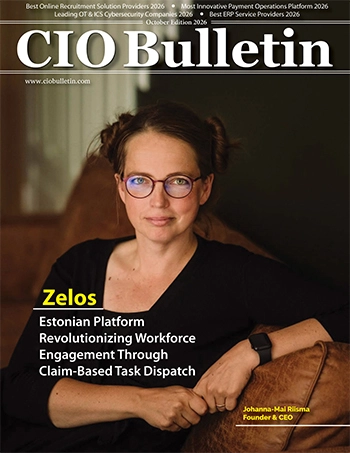
CIO Bulletin: The magazine provides high-quality business and technology content for the consumption of business leaders and top executives. A testimony to its rigorous reportage is its being trusted by executives of Fortune 500 companies who rely on its in-depth analysis of innovation and entrepreneurship. Professionals who refer to the magazine’s reports stand a competitive advantage in the global market.
Why Read Business Magazines in an Age of Instant Information
In 2026, financial data and opinions are aplenty, but to filter out the noise and separate facts from fiction remains the biggest challenge for companies across the board. Phones may provide “breaking news” notifications or inform about a stock market dip; however, the context behind these developments remains unexplained. There is no way to know about historical backgrounds, investors’ psychological state of mind, or the long-term implications for the industry by relying on news notifications alone.
Curation in a World of Noise: High-quality business magazines act as the librarian in a world of books by arranging relevant news according to the audience’s preferences and needs. Editors of magazines like HBR or The Economist painstakingly present the 1% of information that actually matters. With executives having limited time at hand to invest in keeping track of developments, these magazines optimize your focus to ensure that what is read is the most relevant and nothing else.
Deep-Dive Analysis vs. Surface-Level Headlines: While a headline informs about “what” happened, a feature article explains “how it works”. A long-form magazine article provides better trend analysis capabilities than any 280-character news snippets while easing complicated decision-making and enhancing deduction skills at the same time.
Developing a Global Mindset: Business magazines can help their readers develop worldwide business networks, boosting their career trajectory since this ability is vital for success in the interconnected economy of 2026. Individuals can experience cultural differences while monitoring regulatory changes and observing which new market players emerge. This ultimately transforms local managers into global leaders.
Predicting the “Next”: Business magazines like Fast Company and Wired help project future trends in the industry by transcending the limitations of reporting solely on the present. According to CIO Bulletin, they help leaders identify the “weak signals” of change to position their careers or companies as thought leaders and conversation starters for tomorrow.
The Leadership Advantage
Looking into 2026, the gap between those who proactively anticipate market trends vis-à-vis others who simply react to them is increasing manifold. CIO Bulletin’s list of the top 10 business magazines is more than just a repository; they can help businesses stay one step ahead of the competition in what is a continuously evolving marketplace.
Importantly, readers who invest their time in grasping the essence of the magazines’ content can develop the necessary intellect in terms of speaking the language of the global elite, understanding the mechanics of the digital revolution, and leading with a sense of purpose and clarity. In a world transforming by the day, the high-stakes environment requires clarity of vision to avail the opportunities for long-term success.
Thus, the pathway for businesses’ success involves three fundamental steps: pick up a copy, open an app, and start reading. The insights gathered today would help mold the potential of business, leaders, and executives into the best versions of themselves.
FAQs
Harvard Business Review (HBR) is the global leader for research-driven management insights, while Fortune offers deep-dive features on the leadership strategies of the world’s top CEOs.
The Economist provides a high-level perspective on politics and the global economy, whereas Bloomberg Businessweek delivers tactical, floor-level financial analysis of market-shaping events.
Inc. and Entrepreneur are dedicated to small business growth and startup hurdles, while Forbes highlights the entrepreneurship trends and venture capital moves shaping new industries.
Fast Company focuses on the intersection of design and innovation, while Wired is essential for understanding how emerging technology like AI and quantum computing disrupts traditional business models.
The Financial Times (FT) highlights how geopolitical risk affects global trade, while Bloomberg Businessweek provides market trend analysis through data which investors need to make investment choices during periods of economic uncertainty.


















































 consultants ltd.jpg)


