
Home Platforms Others Your Business Can Be More Ener...
CIO Bulletin
,
27 July, 2022
Author:
CIO Bulletin Team
Did you know that the average business in the UK wastes £10,000 a year on energy bills? In these tough economic times, it's more important than ever for businesses to be as energy-efficient as possible. Fortunately, there are several strategies you can employ to make your business more energy-efficient. We'll outline six of the best ones that will help you save money and reduce your carbon footprint.
1. Use Energy-Efficient Lighting
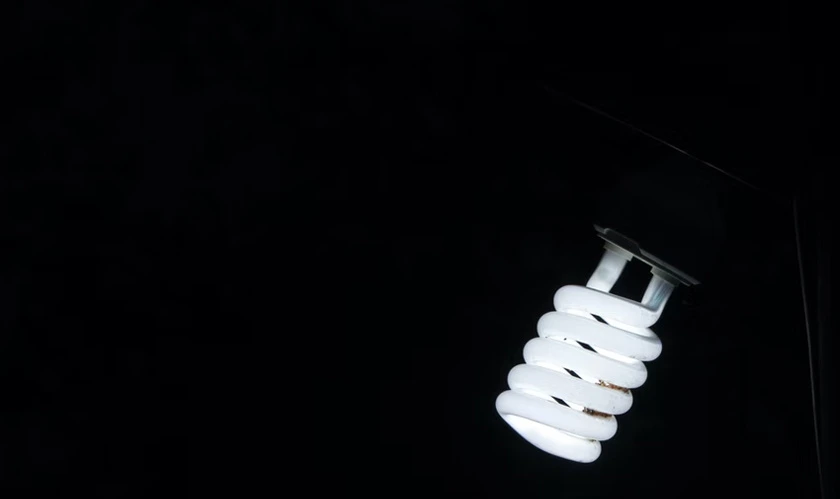
Lighting accounts for a significant portion of a business's energy usage, so it's important to be as efficient as possible in this area. One way to do this is to switch to LED lighting, which uses significantly less energy than traditional lighting sources. You should do some research on the latest in Led Lighting to make sure that you're getting the most energy-efficient products. You can also make sure that your lights are only on when they're needed by installing occupancy sensors. These devices will automatically turn off lights when no one is in the room, which can save a significant amount of energy.
2. Install Solar Panels
Solar panels are a great way to reduce your business's energy usage and save money on energy bills. The initial investment may be substantial, but solar panels will quickly pay for themselves through the money you'll save on energy costs. Solar panels will also help you reduce your carbon footprint and do your part to fight climate change. To start, you can get a free solar assessment from professionals. This will help you determine whether solar panels are right for your business. Solar panels are most effective in areas that get a lot of sunlight, so if you're located in the UK you may want to consider other energy-efficiency strategies as well.
3. Use Energy-Efficient Equipment
One of the best ways to reduce your business's energy usage is to switch to energy-efficient equipment. This includes everything from office appliances to manufacturing equipment. When shopping for new equipment, look for the Energy Star label, which indicates that the product meets strict energy-efficiency standards. You can also take advantage of government programs that offer tax rebates or other incentives for purchasing energy-efficient equipment. Some great pieces of equipment to start with are energy-efficient air conditioners and furnaces, as well as energy-efficient computers.
4. Educate Your Employees
Your employees play a big role in how energy is used in your business. To help them understand their impact, consider implementing an energy-efficiency education program. This can include informational materials, training sessions, or even competitions with prizes for the most energy-efficient employees. Educating your employees will not only help reduce your energy usage but can also boost morale and increase productivity. Also, be sure to set a good example by being energy-efficient yourself. Make sure to turn off lights and equipment when they're not in use, and encourage employees to do the same.
5. Update Your Insulation
If your business is not well-insulated, you're likely wasting a lot of energy. To improve your insulation, start by identifying any areas where heat or air conditioning is escaping. These are typically places like cracks in walls or around windows and doors. Once you've identified these problem areas, seal them up with weatherstripping or caulk to prevent further heat loss. You should also consider adding insulation to your walls, attic, and other areas of your business. This will help keep your business comfortable year-round while also reducing your energy usage. For example, you could install spray foam insulation on your walls, which is an excellent way to improve your business's energy efficiency.
6. Use Renewable Energy
One of the best ways to reduce your impact on the environment is to switch to renewable energy sources. This includes things like solar power, wind power, and hydroelectricity. While the initial investment for renewable energy can be high, it's important to remember that these technologies are getting cheaper every year. In addition, many businesses can take advantage of government incentives or tax breaks for using renewable energy. For example, the federal government offers a 30% tax credit for solar energy systems.
Businesses can save a lot of money and energy by implementing some or all of these strategies. Energy efficiency is not only good for the environment but also for your bottom line. If you're not sure where to start, consider conducting an energy audit to identify areas where your business can be more efficient. You can also consult with a professional energy efficiency specialist to get expert advice on ways to reduce your business's energy usage.

















































 consultants ltd.jpg)


