
Home Industry Renewable energy Will Bangladesh’s Renewable ...
CIO Bulletin
,
17 August, 2026
Author:
Ravathi Sunil
Energy experts confirm strategic green investments could have protected national power networks from severe liquefied natural gas supply disruptions.
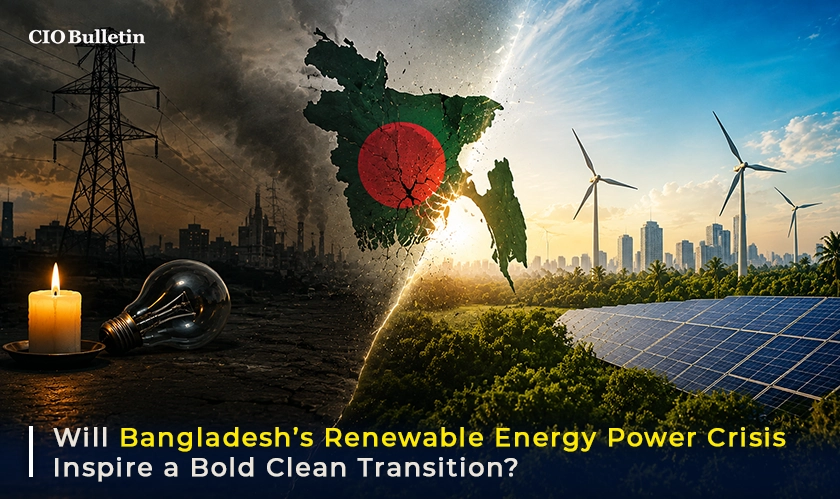
Industrial operations and everyday urban life face recurring electrical disruptions as national power networks struggle with severe fuel shortages. According to energy sector reports monitored by CIO Bulletin, the ongoing Bangladesh’s renewable energy power crisis could have been successfully avoided if policymakers had prioritized solar and wind infrastructure over imported fossil fuels. With clean sources currently generating roughly six percent of national electricity, energy experts emphasize that a stronger green energy portfolio would have insulated regional grids from global fuel market volatility and unexpected supply terminal accidents.
Heavy reliance on expensive LNG from abroad has made the nation's electricity production vulnerable to sudden increases in international prices and transportation problems. Could increasing local sources of renewable energy secure the South Asian economy from any surprise energy shortages? The neighboring countries have increased production facilities for solar and wind energy, and thus the electricity generation system of the region is much safer. Experts in the industry have highlighted that there is sufficient sunshine throughout the year in the country.
Highlighting the missed opportunities in national clean energy development, United International University Centre for Energy Research Director Shahriar Ahmed Chowdhury noted:
"Had our RE share been 20 to 25 per cent, we could have overcome the current energy crisis."
The installation of 10,000 MW of power through clean energy by 2030 is possible only through policy actions such as tax exemptions and exemptions from duties for solar equipment imports. This way of shifting from costly imported fuel sources enables the grids in the region to provide stability in power supply along with sustaining industrial development. With the increasing financial assistance from international organizations towards climate issues in developing countries, this is the most realistic course of action.
Clean sources account for only six percent of total national electricity generation.
Heavy reliance on imported gas exposes national power grids to global market disruptions.
Government targets aim to install ten thousand megawatts of renewable capacity by 2030.
Everything you need to know about this news
Accidents at import terminals and volatile global liquefied natural gas markets have disrupted domestic fuel supplies.
Renewable sources currently contribute roughly six percent of the national total power generation mix.
National development goals aim to add ten thousand megawatts of renewable energy capacity by 2030.
Nearby nations like India, Pakistan, and Sri Lanka have achieved significantly higher clean energy generation percentages.
Executives, sustainability analysts, and industry leaders can track global energy trends directly on CIO Bulletin




















































 consultants ltd.jpg)


Comments