
Home Industry Retail Why Experience Driven Retail I...
CIO Bulletin
,
16 January, 2026
Author:
CIO Bulletin Team
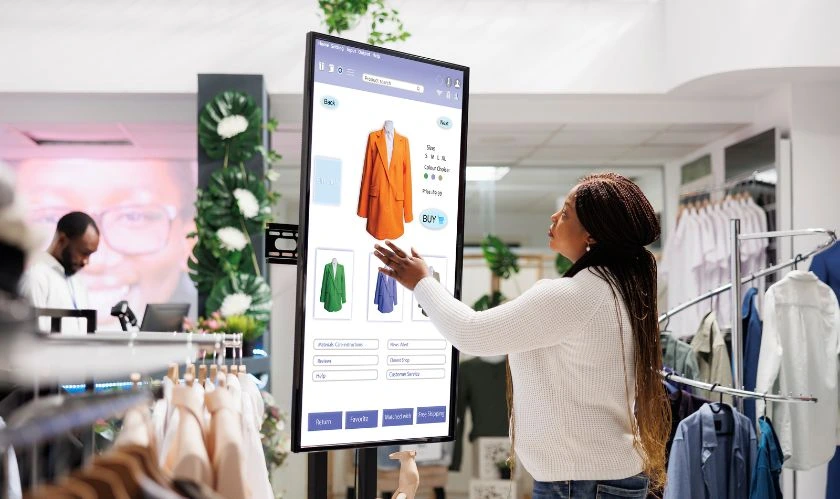
Retail is changing fast, and not just because of new technologies or shifting consumer habits. More brands are rethinking the very purpose of a physical store. Instead of treating it as a simple point of sale, retailers are building spaces that feel memorable, engaging and worth visiting even when buying online is easier.
Startups, direct to consumer brands and legacy retailers are all leaning into this idea. Experience driven retail has moved from an experimental strategy to a mainstream business priority. The reason is simple. Customers now spend where they feel something. A store that stimulates curiosity, comfort or delight stands out in a crowded market.
This shift is not about creating theme-park moments or dramatic novelty. It is about crafting environments that feel intentional. Lighting, layout, sound and interactive elements are chosen with purpose, helping brands communicate who they are and what they value. For many companies, this approach is becoming just as important as merchandising or pricing.
Digital convenience has reshaped expectations. When almost anything can be purchased with a few taps, customers look for something different when they leave the house. They want retail spaces that offer connection, discovery or a change in pace from their daily routine.
Physical stores give brands something online channels cannot. They offer an immediate, multi sensory impression. The moment someone walks through the door, they form a view about whether the space feels warm, exciting or flat. That impression influences how long people stay, what they explore and how they talk about the brand afterward.
This is why more retailers are investing in sensory design. The goal is not to overwhelm people but to create a coherent atmosphere that encourages them to slow down and engage. When the environment feels welcoming and intentional, customers remain longer and tend to explore more.
Brand identity used to live primarily in packaging, advertising or product design. Today, the physical store carries just as much weight. Experiential branding allows companies to make their values tangible.
Color choices help define the emotional tone. A wellness brand may choose warm neutrals or soft textures. A tech focused retailer might lean into sleek surfaces and cooler palettes. Materials matter too. Natural wood signals approachability. Metal and glass communicate precision or modernity.
Visual merchandising supports this identity by creating focused moments. Instead of crowding every shelf, many retailers are experimenting with curated displays that feel more like installations. These focal points produce a sense of intention that aligns with how younger consumers judge brands.
Sound also supports branding more than many people realize. The right audio atmosphere helps customers interpret the space. A fashion retailer may want something upbeat and modern. A luxury boutique usually prefers something slow, spacious and elegant. Choosing sound purposefully keeps the environment consistent with the brand’s personality.
Lighting has always been part of retail planning, but its role in experience driven design has expanded. Light influences how products look, how customers feel and whether the environment feels calm or chaotic.
Retailers are now using layered lighting instead of broad, uniform brightness. Accent lighting helps highlight key displays. Softer perimeter lighting makes a space feel warm rather than clinical. Adjustable tone and intensity allow teams to shift the store’s mood from morning to evening.
Lighting can also direct attention in subtle ways. When a display is illuminated more strongly than its surroundings, customers naturally move toward it. This creates a flow that feels organic rather than forced.
Energy efficiency and sustainability are also influencing lighting decisions. LEDs, smart systems and automated timers support both design goals and operational needs. These upgrades often result in spaces that feel fresher, more modern and more aligned with consumer expectations around environmental responsibility.
Sound may not be the first thing customers notice, but it strongly influences how long they stay and how comfortable they feel. Poor audio choices can introduce tension. A space that is too quiet feels awkward. A playlist that jumps between unrelated genres can interrupt the mood. Sudden changes in volume make people restless without them fully realizing why.
Curated sound helps stabilize that emotional tone. Many retailers now use licensed services so they can shape playlists intentionally and avoid unpredictable tracks. This becomes especially useful for stores that move from slow morning traffic to heavier afternoon flow and need the atmosphere to shift gently rather than abruptly.
Audio also supports zoning. Softer, slower tracks near fitting rooms help lower stress. More upbeat selections near promotional areas keep the energy moving. When sound is planned with purpose, it becomes part of the structure of the store instead of background noise.
This is why retailers are paying closer attention to background music for retail stores. Not as a sales tactic, but as a practical way to set a consistent mood, reflect the brand’s personality and keep the environment steady throughout the day.
Experience focused environments are not only appealing to customers. They also align with practical business needs. When people enjoy the retail atmosphere, they browse for longer periods. They interact more with displays. They speak with staff more willingly. These behaviors improve the likelihood of sales without feeling forced.
Experience also supports brand loyalty. When customers feel a connection to a store environment, they tend to remember it and return. They may even talk about it on social media, which plays an important role in how startup brands grow their reach.
From a cultural perspective, experiential design can support workplace morale. Staff often feel more energized and confident when they work in a space that looks and sounds put together. This translates into better conversations and smoother service, reinforcing the positive loop between environment and customer experience.
Experience driven retail also makes physical locations more versatile. Stores can host workshops, product demonstrations or small community events. These activities create value that competitors cannot easily replicate.
Experience driven retail is not a passing idea. It is a response to how consumer expectations have evolved. As online shopping becomes even more convenient, physical retail will continue to rely on meaning, ambiance and emotional connection.
Retailers that invest in sensory design are building an advantage that goes beyond layout or decoration. They are shaping how customers feel inside their spaces. They are giving people a reason to step away from screens and engage with a brand directly.
For companies evaluating their next steps, the question is not whether experience matters. It is how intentionally they can design it. The retailers winning today are those who see their spaces as living environments, capable of influencing mood, behavior and loyalty in ways digital channels cannot.














































 consultants ltd.jpg)


