
Home Industry Retail What Buyers Should Check Befor...
CIO Bulletin,
22 December, 2025
Author:
CIO Bulletin Team
Buying secondhand gadgets can be a budget-friendly way to upgrade your tech, but it requires careful evaluation. Overlooking key details can lead to disappointment or wasted money. That’s why it’s important to know what to check before purchasing. This guide highlights the most important factors to consider when buying pre-owned electronics.
Signs of wear and tear, such as cracks or scuff marks, can point to rough handling or potential internal issues. Carefully inspect all surfaces, including the screen, buttons, and ports, for damage. Devices with excessive blemishes may be less reliable. A well-maintained exterior often reflects better overall care and a longer lifespan. Consider shopping from trusted websites, such as Plug Tech, who run these tests before listing refurbished devices.
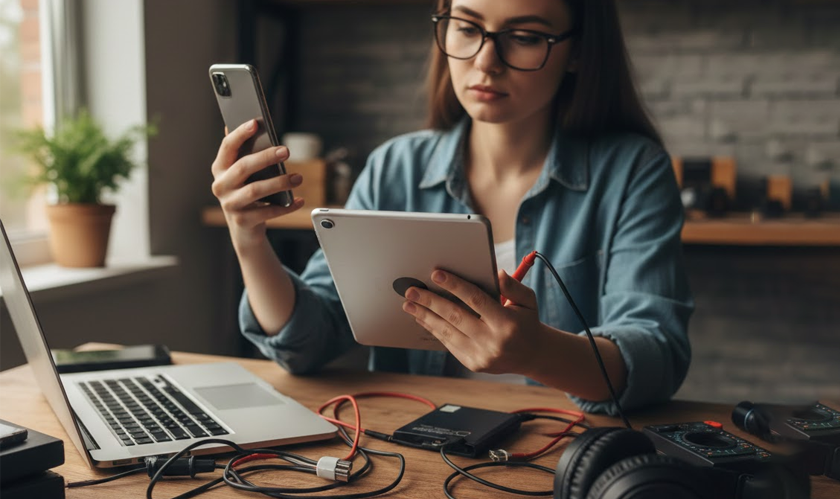
Remember to power on the device and thoroughly test its features. Make sure the display has no dead zones, flickering, or discoloration. Check that speakers and microphones produce clear sound. Test charging ports, headphone jacks, and memory card slots as well. Running these checks helps confirm the device works as expected and matches what was advertised.
Batteries naturally degrade over time and lose their ability to hold a charge. Always ask about the battery’s age and usage history. If possible, power on the device to check charging speed and overall battery performance. A rapidly draining battery may require immediate replacement. Reliable battery life remains essential for the usability of any electronic device.
Confirm that the device contains original components, such as the battery, screen, and internal circuitry. Non-genuine replacement parts can negatively affect performance, reliability, and overall lifespan. Also, check whether essential accessories, including chargers and cables, are included. Having the right accessories not only saves money but also ensures proper compatibility and safe operation.
New apps and software updates may not be compatible with older devices. Before purchasing a secondhand gadget, carefully review its hardware and software specifications. Make sure it meets current requirements for storage, processing power, and operating system compatibility. Outdated components can either limit functionality or cause frustration during everyday use.
Ensuring legal ownership is vital; it protects you from potential liability. While buying a used device, request proof that it was not stolen or blacklisted. Many gadgets have serial numbers or unique identifiers that can be verified through official channels. Confirming genuine ownership also helps avoid potential disputes or complications in the future.
Personal data left on a sold device can create privacy risks. Ensure the device has been restored to factory settings, with all accounts and information removed. This allows the new owner to start fresh without technical issues. Avoid devices that cannot be reset or are previously locked.
Some sellers offer short-term warranties or return policies. These protections provide peace of mind if a hidden defect emerges after your purchase. Always review the terms and duration of warranty (if applicable) carefully before committing. Even a brief inspection can help buyers feel more confident when purchasing used technology.
Compare multiple listings for similar models before you book a purchase. By checking the average prices, you avoid paying more than necessary and can recognize suspiciously low offers, which might be indicators of a defective device. A good price point strikes a balance between affordability and reliability.
Online reviews from other buyers reveal the true strengths and weaknesses of specific models. Learning from real experiences helps set expectations and identify potential red flags. Do not hesitate to ask sellers detailed questions about the device’s history, functionality, and included documentation.
Buying used electronics can save you a lot of money, but it helps to be careful. Checking the device’s condition, performance, history, and origin can help you avoid surprises. With a little planning, you can make a smart purchase that delivers great value for the long run.




















 consultants ltd.jpg)


