
Home Industry Robotics Can the Surging Robotics Indus...
CIO Bulletin
,
17 July, 2026
Author:
Sambhrant Das
china expands its physical artificial intelligence deployment as robotic shipments skyrocket
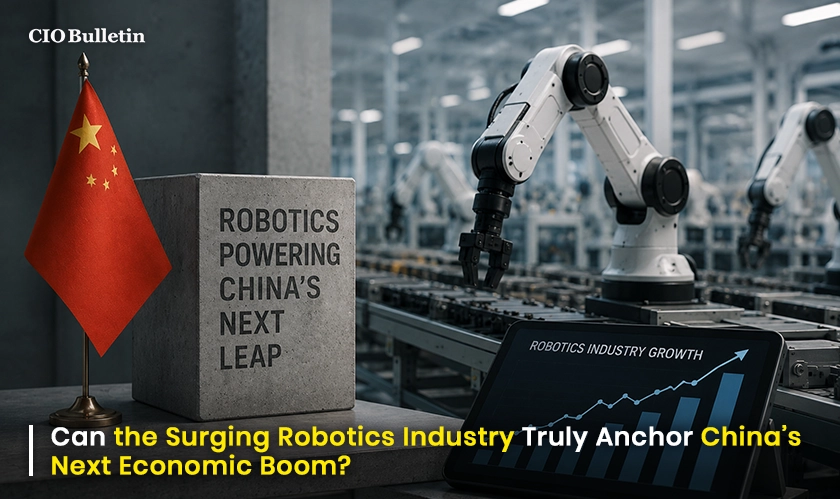
The domestic robotics industry is undergoing a massive, unprecedented transition from theoretical laboratory research straight into the backbone of daily consumer life and automated corporate systems. Propelled by an expanding 10-trillion-yuan market opportunity, smart manufacturers in China are rapidly commercializing advanced embodied intelligence across diverse industries. The sudden explosion of mechanical innovation is transforming how modern public sectors, retail systems, and consumer households operate on a global scale.
The current proliferation of intelligent physical systems spans across both commercial and specialized consumer fields. The market expansion is defined by:
Educational mechanical tools designed to bring top-tier university laboratory capabilities directly into middle-class living rooms.
Specialized bipedal and quadruped platforms providing high-value practical and emotional assistance at prominent public exhibitions.
Beyond casual retail spaces, highly automated mechanical systems are rapidly taking over dangerous operational jobs to keep humans safe.
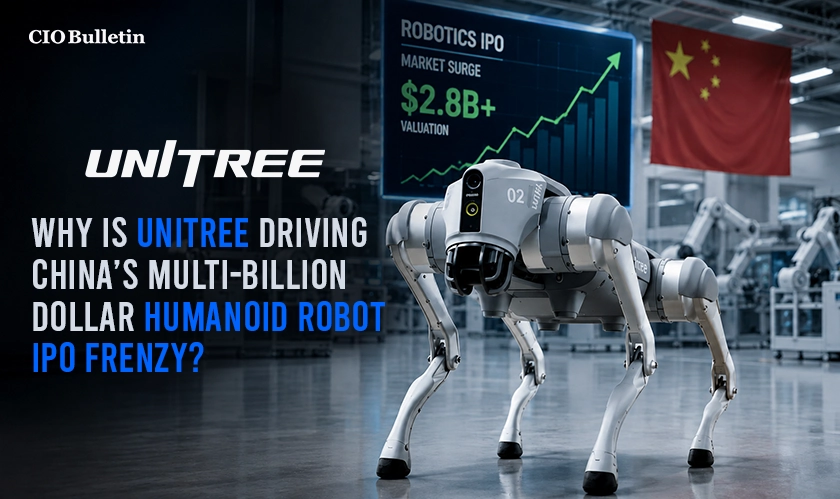
"AI is entering industries, cities, and the lives of ordinary people at an unprecedented speed." - Wang Xingxing, Unitree Robotics founder.
These advanced machines reliably perform repetitive tasks in toxic settings, including automated industrial patrols and emergency fire rescue missions.
Fierce competition among global technology titans is accelerating the integration of physical hardware into heavy manufacturing assembly lines. Smartphone maker Xiaomi recently concluded autonomous, human-free testing of its humanoid models on vehicle assembly tasks, targeting widespread factory deployment within five years. This sudden industrial push allows local developers to far surpass overseas competitors in absolute shipment numbers.
The rapidly accelerating pace of physical automation signals a permanent structural shift in global manufacturing mechanics. Freeing human workforces from heavy, hazardous labor while simultaneously boosting corporate efficiency allows domestic firms to maintain a strong competitive edge. CIO Bulletin views this development as a highly reliable long-term catalyst that will successfully secure steady high-quality growth across advanced supply chains.
Everything you need to know about this news
The sector is surging due to intense domestic commercialization efforts, a massive consumer market, and advancements in AI models and physical hardware dexterity.
They are actively being used in family education, commercial exhibitions, high-risk industrial facility patrols, and automotive manufacturing assembly line testing.
With advanced multispectral sensors, they take over high-intensity repetitive tasks in high heat or severely toxic zones to ensure humans stay protected.
Pioneer companies like Unitree Robotics and the smartphone heavyweight Xiaomi are among the frontrunners scaling up real-life production line applications.
Major technology developers are aiming for broad autonomous industrial factory installs across the country within the next five years.



















































 consultants ltd.jpg)


Comments