
Home Technology SaaS Are Scientists Destroying Pati...
SaaS
CIO Bulletin,
06 July, 2026
Author:
Gayathri Sr
Medical researchers rush to abandon outdated spreadsheets for the cloud, but inspectors warn the digital shift exposes a massive regulatory vulnerability.
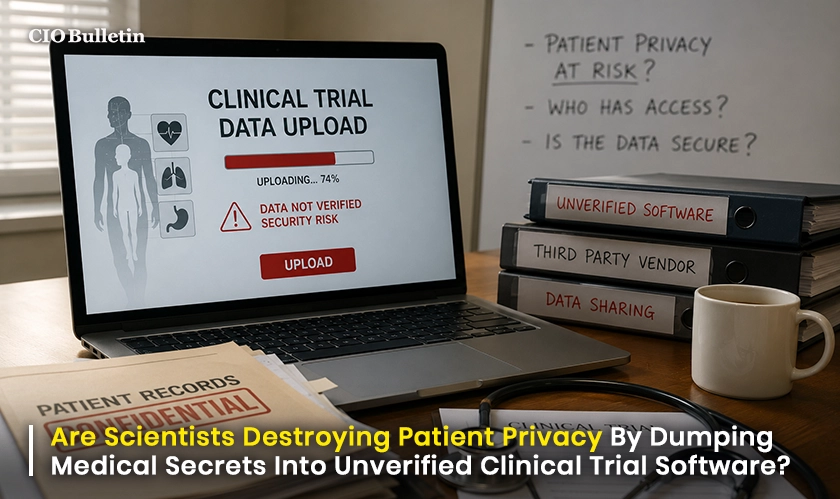
A quiet revolution is sweeping through the medical research world, but it is bringing a staggering set of hidden risks along with it. For decades, an astonishing 80 percent of early-stage medical researchers tracked their lifesaving studies using basic, clunky desktop spreadsheets. Today, a massive wave of research sponsors is rushing to adopt advanced, cloud-based clinical trial software to automate patient recruitment and manage real-time site dashboards. However, an investigative deep dive published by CIO Bulletin reveals that this rapid digital migration is triggering serious questions from global health inspectors who fear that critical data privacy regulations are being treated as a mere procurement afterthought.
The sudden surge in cloud adoption is completely changing the power dynamics of medical development. Historically, only multi-billion-dollar pharmaceutical giants could afford the complex digital infrastructure required to run large-scale human studies.
Now, agile biotech startups can simply subscribe to a web-based platform, gaining access to the exact same high-level monitoring tools as their massive competitors. This subscription model slashes massive upfront infrastructure costs and allows internal medical experts to review trial safety metrics instantly, eliminating the sluggish communication gaps caused by outsourcing work to third-party intermediaries.
Despite the undeniable operational benefits, the rush to modernize is running straight into a wall of strict international privacy laws. Global regulatory bodies are explicitly warning research teams that outsourcing their data to a tech vendor does not outsource their legal liability.
“Vetting a provider's audit trail architecture, access controls, and validation documentation is a critical regulatory exercise, not a procurement checkbox,” cautioned clinical operations expert Moe Alsumidaie during an industry compliance review.
If a cloud platform fails to maintain airtight electronic records under strict federal guidelines, the research sponsors themselves, not the software company will face severe penalties and devastating study shutdowns during regulatory inspections.
As CIO Bulletin continues to monitor the intersection of healthcare and enterprise technology, the real test over the next year will be how regulatory bodies handle upcoming audits. The medical teams that thrive will be the ones that rigorously vet their technology, ensuring their digital leap forward doesn't land them in legal hot water.
Everything you need to know about this news
Spreadsheets cause severe human error, lost files, and massive trial delays. Cloud-based platforms allow researchers to see patient data instantly, speed up recruitment, and manage multiple study locations seamlessly from one screen.
The biggest risk is assuming the software vendor handles all compliance. Government regulators state that the medical sponsor remains entirely legally responsible for data security, data breaches, and tracking who alters patient records.
Absolutely. Cloud-based software uses a subscription model, turning massive, multi-million-dollar technology buildouts into predictable, low-cost monthly operating expenses that even pre-revenue startups can easily afford.
They must feature unalterable audit trails, strict multi-factor access controls, encrypted data storage, and comprehensive validation documentation that proves the software cannot lose or manipulate delicate patient records.
Inspectors are expected to crack down heavily on teams that failed to thoroughly audit their software providers. This will separate high-quality, legally compliant research projects from those that took dangerous shortcuts.





















 consultants ltd.jpg)


Comments