
Home Technology Security Will Easing Iran Sanctions Del...
CIO Bulletin
,
23 June, 2026
Author:
Sambhrant Das
Bilateral agreements establish temporary economic exemptions to reduce maritime friction and stabilize global commodity markets during ongoing compliance talks
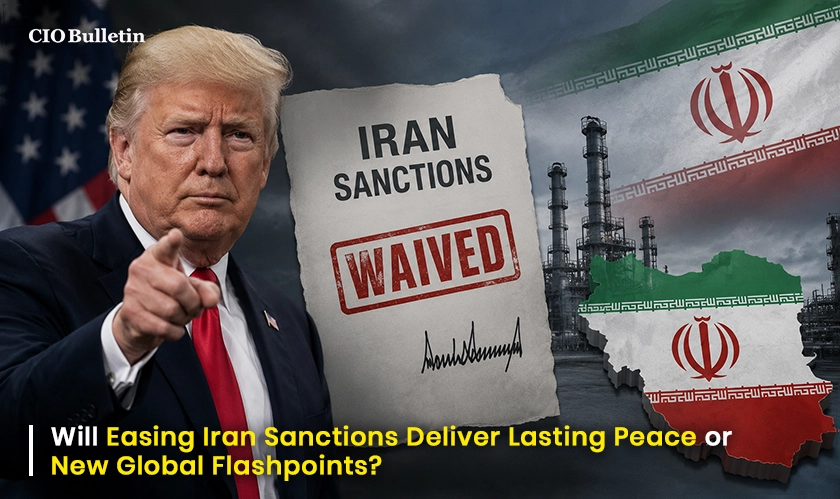
The complex mechanics governing international energy exports are facing a structural transition following recent high level bilateral summits. Seeking to stabilize volatile crude networks, the United States authorized a temporary sixty day executive relief measure. This tactical suspension of Iran sanctions allows specialized sovereign entities to resume crude liquid transactions until late August, balancing non-proliferation objectives against escalating consumer resource inflation.
The implementation of temporary financial authorizations aims to reduce intense regional maritime frictions while establishing verified compliance roadmaps between historical adversaries.
Initial Treasury actions grant direct energy export clearances to stabilize global trade indices.
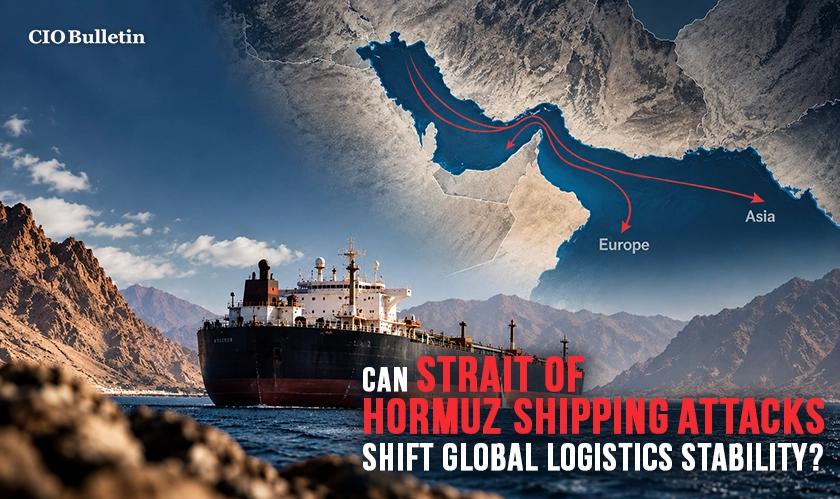
Opened communications protocols secure safe merchant vessel passage through strategic maritime choke points worldwide.
Maintaining stable regional trade environments requires absolute adherence to structural transparency mandates enforced by international regulatory groups.
"If Iran doesn't live up to their agreement, or if they're not behaving, I will do what I have to do." - Donald Trump
This explicit enforcement warning establishes clear operational boundaries for ongoing high level diplomatic negotiations.
The potential unwinding of long term economic blockades introduces complex processing models for managing restricted sovereign assets held across international bank accounts. Emerging regulatory frameworks suggest converting these restricted financial holdings directly into structured purchasing avenues for essential domestic agricultural goods like grain. This operational design guarantees that released capital pools directly support domestic food security programs.
Because modern trade environments rely completely on continuous compliance verification to maintain system stability during political transitions, older enforcement models require adjustment. Shifting from reactive blockades toward collaborative, real time oversight metrics is turning into an essential strategy for international trade administrators. Reorganizing underlying diplomatic frameworks ensures that interconnected commodity markets preserve operational continuity while protecting maritime supply routes. CIO Bulletin views this development as an essential step toward stabilizing volatile global assets.


















































 consultants ltd.jpg)


Comments