
Home Technology Security Can Intensifying Strait of Hor...
CIO Bulletin
,
18 July, 2026
Author:
Sambhrant Das
United States and Iran trade heavy cross border infrastructure strikes as critical gulf shipping lanes face total shutdown
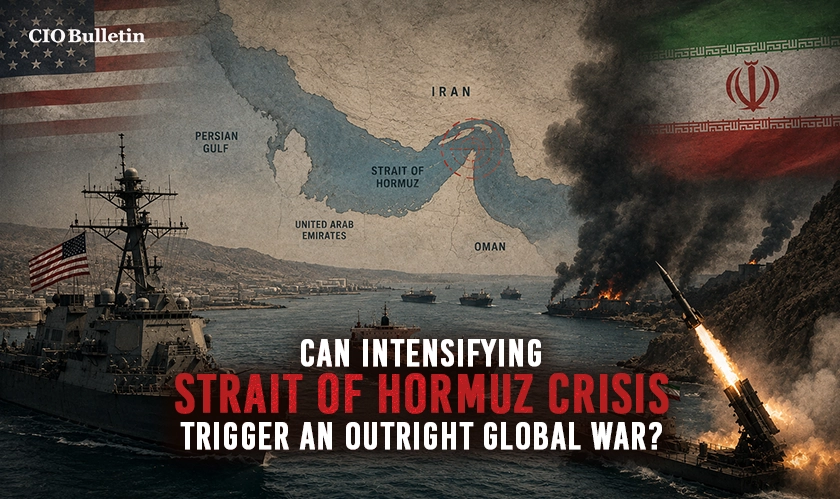
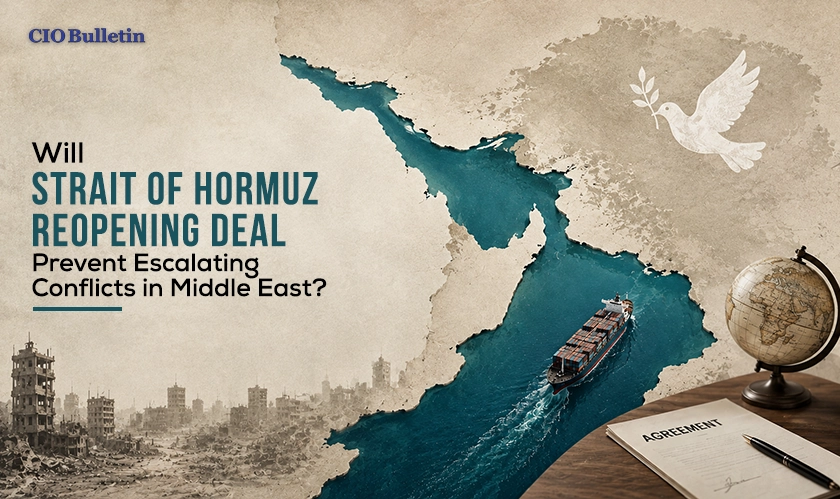
A dramatic surge in direct military action has pushed a vital maritime chokepoint into an active combat zone, completely upending weeks of delicate backchannel diplomacy. The rapid deterioration of the Strait of Hormuz crisis has triggered massive, consecutive waves of heavy retaliatory bombardments between Western naval coalitions and regional defense forces. With both sides maintaining hardline positions, the risk of a permanent, catastrophic stoppage of international commercial shipping has reached its highest level in decades.
The sheer intensity of the recent aerial campaign has left the essential logistical lanes and a bunch of critical infrastructure networks across the Gulf severely crippled, even more than some analysts were expecting.
At the heart of this volatile showdown is a fierce, unyielding battle to dictate who governs passage through the world’s most critical energy artery. While local commanders claim total sovereign authority to police or block passing cargo vessels, allied forces have made it clear that any disruption to open waters will be met with immediate kinetic force. A spokesperson confirmed that long-range bomber wings are executing continuous nightly sorties aimed at systematically dismantling mobile anti-ship missile batteries along the coastline.
The immediate commercial fallout has been devastating, with standard commercial cargo transits plunging to a microscopic fraction of their typical daily volume.
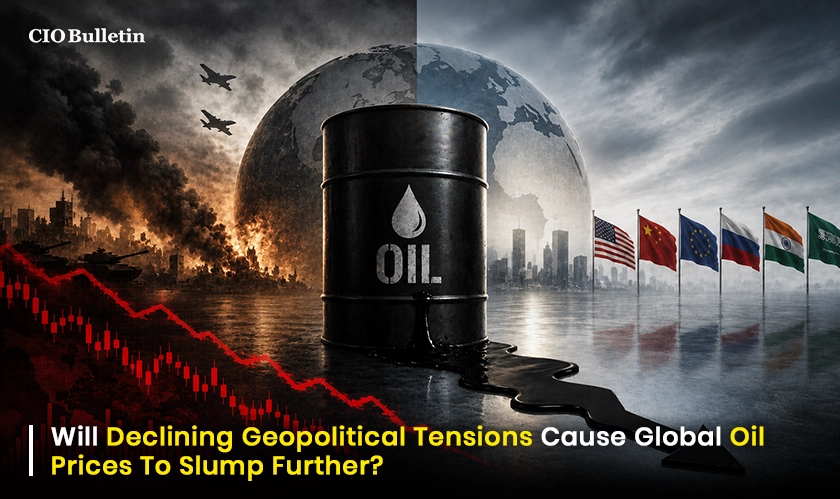
This sudden bottleneck has triggered immediate panic across international financial exchanges, sending crude oil futures climbing rapidly beyond eighty-six dollars a barrel.
Local governments are feeling the intense pressure, forcing neighboring states to put their domestic air defense arrays on high alert to neutralize stray, low-flying suicide drones.
The ongoing failure of conventional diplomatic channels underscores how incredibly fragile global trade relies on just a few narrow miles of contested water. As long as both sides choose heavy tactical escalations over compromise, the threat of an extended economic blockade will continue to stall global market recovery. CIO Bulletin views this development as an alarming structural shift that can potentially redefine the notion of international naval deployment and the steadiness of supply chains for years to come.
Everything you need to know about this news
It started right after that short interim ceasefire fell apart, with both sides launching heavy airstrikes over the question of who actually controls the vital sea passage.
U.S. airstrikes reportedly targeted important highway bridges, rail connections, and certain military surveillance hubs located in southern Iran. Meanwhile, Iranian counter-strikes were aimed at a key water desalination facility in Kuwait.
Maritime traffic through the strait has dropped to a record low of eight vessels daily, effectively choking off a fifth of the world's standard oil and natural gas shipments.
Kuwait, Jordan, Iraq, and Bahrain have all activated their air defense systems, trying to intercept stray drones and ballistic missiles that are moving through their own sovereign airspace.
Iran is arguing for exclusive sovereign regulatory authority and also for fee-collection rights over the strait, while the United States and its global partners maintain that it has to stay an open international waterway.















































 consultants ltd.jpg)


Comments