
Home Industry CBD 6 Differences Between THC Gumm...
CIO Bulletin
,
14 September, 2026
Author:
Guest
Gummies and vapes are some of the most popular THC formulations. Both products deliver Tetrahydrocannabinol’s therapeutic benefits and psychoactive effects, making them popular with medical and recreational cannabis users alike.
However, that’s probably where the similarity ends.
THC gummies and vape products differ in nearly every other aspect.
Read below as we examine the fundamental distinctions between these two popular Tetrahydrocannabinol formulations and how to pick the better product.

Both THC gummies and vape products contain Tetrahydrocannabinol as the principal bioactive ingredient.
Tetrahydrocannabinol is marijuana’s most famous psychoactive molecule. Besides its mind-altering reputation, THC may also help in treating common ailments like pain and stress.
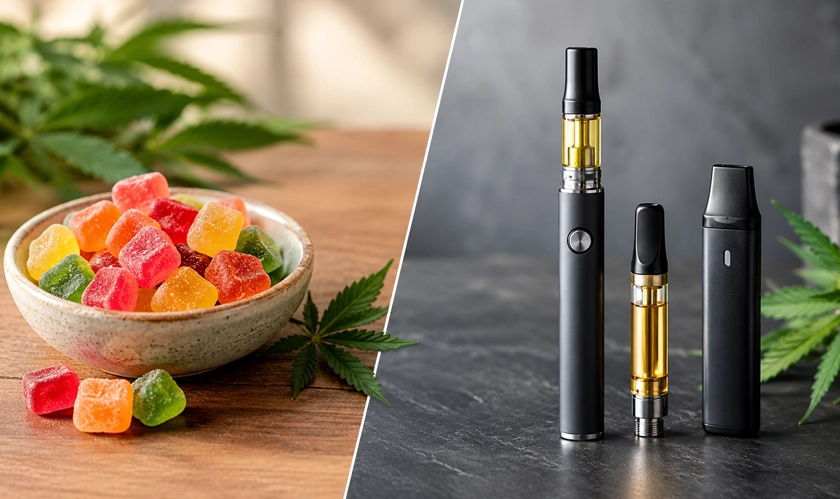
THC gummies are essentially gummy bears infused with Tetrahydrocannabinol. These products often feature other common gummy ingredients, including gelatin, pectin, and flavorings.
Meanwhile, THC vape products are vape oils containing Tetrahydrocannabinol as the primary bioactive compound. Unlike THC gummies that are available almost entirely as chewies, THC vapes may assume three different formulations, namely;
That said, you should always buy gummesies from a reputed and certified seller like TRE House. Explore their website https://trehouse.com/collections/thc-gummies for different gummy collections.
All phytocannabinoids in marijuana exert their biological effects through the endocannabinoid system.
The endocannabinoid system is a neuromodulatory system in humans and all mammals, comprising a vast network of endogenous cannabinoids (called endocannabinoids) and endocannabinoid receptors. It also includes several enzymes, hormones, and neurotransmitters.
While both THC gummies and THC vapes get Tetrahydrocannabinol to your endocannabinoid system, they differ in the delivery method.
Gummies are designed for oral consumption. Most THC gummies are chewable, while others are available as sublingual lozenges.
In contrast, all THC vapes are meant for inhaling. These products get Tetrahydrocannabinol to your bloodstream through the mucous membranes in the lungs.
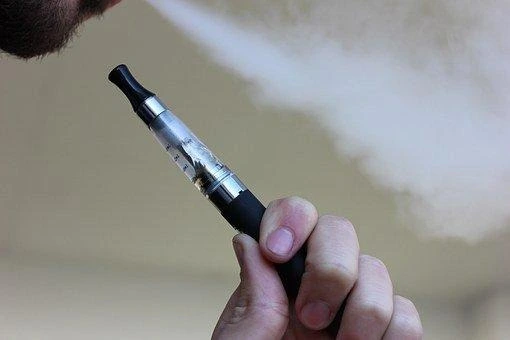
Vaping is prized for its fast-acting benefits. While the onset time varies by body chemistry, you can experience the initial effects within 5 - 15 minutes of inhaling the first draw.
Gummies take much longer to kick in because they must undergo an elaborate digestion process. You may have to wait between 45 minutes and 3 hours to unlock THC’s effects. Again, the exact wait time depends on factors like metabolic rate and dosage amount.
On the flip side, THC gummies stay longer in the bloodstream. The initial high may linger for 8 hours, while therapeutic relief can last up to 72 hours, making gummies ideal for managing chronic conditions.
The effects of vaping THC typically wear off within 2 - 4 hours.
THC gummies are remarkably easy to dose.
First, each gummy bear comes with predetermined Tetrahydrocannabinol potencies. No need to measure your doses each time. Besides, you don’t require special cannabis paraphernalia to administer THC gummies. Simply pop and chew!
Gummies also support microdosing. For instance, if each count contains 10 milligrams (mg) of THC while your ideal dosage is 5 mg, simply split the chewie in half.
THC vape oils are a lot harder to dose since dosages are typically measured in puff counts. And, because vape systems include cannabis paraphernalia, it’s almost impossible to use these products in public without attracting undue attention.

Vaporizers deliver a cleaner vapor and flavor experience than traditional cigarettes.
Besides, the practice is reportedly safer than cigarette smoking due to the absence of combustion. That explains why many famous celebrities have taken to vaping in recent years.
From Hollywood A-listers like Tom Hardy to pop sensations like Lady Gaga and professional athletes like Venus Williams, the list of celebrity vapers is growing by the day.
But, although THC vapes release fuller flavors than cannabis joints, gummies boast a richer flavor diversity. Most THC gummies harness the effects of different cannabis terpenes to produce a complex scent and taste.
The fact that THC vapes are minimally processed makes them appealing to cannabis users craving a fresh, unadulterated experience. However, cannabis’ safety typically comes down to the growing methods and post-harvest curing.
THC gummies can be remarkably safe if obtained from organically raised plants. After harvesting, cannabis flowers should undergo about two weeks of natural curing to preserve their cannabinoid and terpene profile before they’re used as raw materials in manufacturing gummies.
More importantly, insist on THC products sold with analytical reports from third-party laboratories. Each report should highlight the dominant cannabinoids, terpenes, and any contaminants in the tested batch.
As for the legality, both THC gummies and THC vapes are federally legal if they contain a maximum delta-9 concentration of 0.3%. The difference is that vaping may be subject to additional public safety regulations.

Tetrahydrocannabinol not only provides immense therapeutic relief. The cannabinoid also comes in different formulations, with gummies and vapes emerging as one of the most in-demand product categories.
THC vapes boast a fast onset time and rapid absorption rate. However, gummies are easier to dose than vapes.
THC gummies are better suited for active users due to their discreet appearance. The chewies also come in more flavor options than vape oils, providing a richer aromatic experience. And, while gummies may take hours to kick in, they provide long-lasting effects as a trade-off.
But, whether you prefer discreet THC gummies or fast-acting vapes, insist on products formulated with more natural compounds and fewer additives. Look out for proof of third-party laboratory testing as solid proof of quality assurance.




















































 consultants ltd.jpg)


Comments