
Home Industry CBD How To Read A THC Vape Lab Tes...
CIO Bulletin
,
08 October, 2026
Author:
Guest
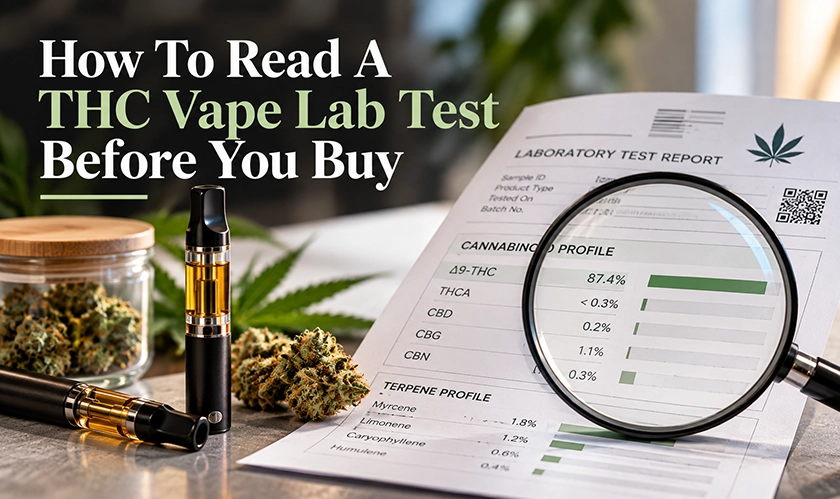
A THC vape can look simple from the outside, but the oil inside the cartridge may hold a range of cannabinoids and other compounds your eye can't catch. When comparing vape products, a lab report will give you more information than the packaging.
A Certificate of Analysis (CoA) is a statement of laboratory findings for a particular batch. It can detect the presence of cannabinoids and test for pesticides, heavy metals, and residual solvents.
Those considering a THC vape will gain confidence in their purchase after reading this information. Lab experience is not required to interpret a COA. Checking a few important areas and understanding the meaning of the numbers and results gives a better understanding of what a vape is before spending a dime.
Read on to learn how you can accurately capture the information about THC from lab test results.
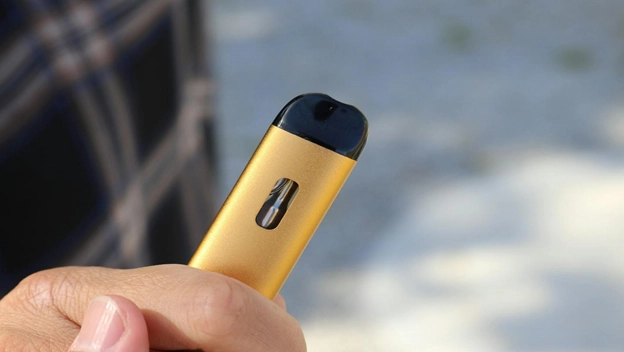
One of the first areas to look at on a COA is the cannabinoid section. It indicates the amount of each cannabinoid present in the sample tested. The report may include Delta 9 THC, THCA, CBD, CBG, CBN, or other compounds.
Check the individual results and the overall amount of cannabinoids. Some reports provide percentages, and others include milligrams per gram or milligrams per unit. These numbers are for comparison with the potency printed on the label.
Not all THC vapes with a higher THC percentage are suitable for all people. The effects vary depending on the type of cannabinoids, tolerance, and other factors. The real question is whether the test results reflect what the product claims to contain.
A lab report only tells you about the sample someone tested. That's what makes the batch number worth a close look.
Find a batch, lot, or production number on the vape packaging and compare it with the number printed on the COA. The two should line up. Some lab reports also show a sample identification number, a collection date, and the date the lab finished testing.
This step keeps you from getting tripped up by a report from an older or different batch. A company might run several batches of the same vape, and their lab results don't always carry over from one to the next.

The lab itself deserves a look, too. A COA should refer to the testing facility and not state that the product is laboratory tested.
Independent testing provides an additional check, as the analysis is conducted outside the manufacturing process. So, when you're shopping for cartridges, you should check out third-party Certificates of Analysis.
Look for the lab name, contact details, report identification number, and any accreditation information provided. A valid document should include sufficient information to indicate where and how a person collected the sample.
Having a QR code can make it easier to reach a COA, but scanning it is not sufficient. The report still requires clarity in the lab and batch data so you can recognize it.
Potency is just one of the vape lab tests. The contaminant sections can be just as important, especially if you intend to inhale it.
Pesticide testing detects specific pesticides, and heavy metal testing detects lead, arsenic, cadmium, and mercury.
When you read the results, you may encounter words such as ND, which typically indicate that the lab did not see the substance at or above its reporting limit. Other reports will either show a number next to the limit you are interested in or tell you whether you passed or failed.

Residual solvent testing is another section worth tracking down on a THC vape COA. Some cannabis extracts involve solvents during processing, so it helps to know whether anyone has tested the finished product for residual solvents.
A COA might list substances like butane, propane, ethanol, hexane, or other solvents, depending on the testing panel and the production method. The lab may mark each one as detected or not detected, with the applicable limits.
The point is to read the actual results rather than trust a product description that labels a vape clean or pure. A lab report gives you far more specific information about what someone tested.
Some COAs add a terpene analysis on top of cannabinoid testing. Terpenes are natural compounds that shape the aroma and flavor of cannabis.
A terpene panel might list compounds like limonene, myrcene, pinene, or caryophyllene, along with their measured amounts. The exact profile can swing quite a bit from one product to the next.
This information helps explain why two vapes with similar THC percentages can smell or taste noticeably different. It also tells you more than a strain or flavor name alone does.
Still, treat terpene results as descriptive information, not a promise of a certain experience. People respond to cannabis differently, and a particular terpene doesn't guarantee a specific effect.
Reading a THC vape lab test doesn't call for advanced science. Start with the cannabinoid results, match the batch number, identify the testing lab, and review the pesticide, heavy metal, and residual solvent results.
Terpene information can add more detail about the product, while the testing date and pass/fail sections help confirm that the report is complete and relevant. A few minutes spent on these details gives you a clearer sense of what someone actually tested before you buy.





















































 consultants ltd.jpg)


Comments