
Home Industry Gaming and VFX How Interactive Games Are Chan...

CIO Bulletin
,
16 October, 2026
Author:
Guest
Thousands of group gatherings happen every day, with 4.1% of families involved in some type of gathering in a given 24-hour period. If traditional conversation starters fail to spark genuine connection in this context, change is necessary. Modern social entertainment has evolved past passive dinners and quiet movie nights into dynamic environments that demand active participation.
People no longer want to sit across from one another in silence while waiting for food or drinks to arrive. They crave shared experiences that spark laughter, friendly competition, and genuine collaboration.
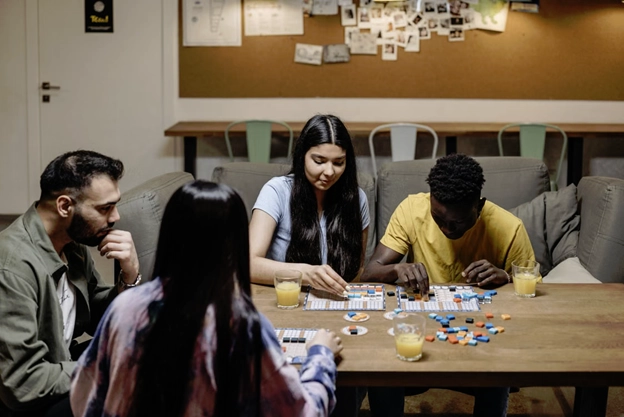
The Shift from Passive Viewing to Active Participation
Entertainment venues are undergoing a massive physical and architectural transformation to accommodate active play. Traditional spaces that relied on fixed seating are making room for projection mapping, touchscreens, and physical gaming zones.
This architectural shift prioritizes group involvement over solitary viewing. Guests want to move around, interact with physical and digital elements, and share a common goal with their peers.
Corporate planners and private event organizers increasingly turn to immersive gaming formats to boost attendee engagement. When participants work together to solve a puzzle or beat a digital challenge, the awkwardness of initial introductions melts away.
Shared physical activity accelerates team bonding far faster than standard networking mixers. Venues embracing this trend report higher satisfaction ratings and longer guest retention times.
Operators notice that guests spend more time on site when entertainment options encourage continuous movement. Instead of sitting in one static booth all evening, patrons drift between different gaming stations and interactive zones.
This fluid movement naturally encourages people to mingle with guests outside their immediate social circle. Venue layouts now feature open sightlines and modular furniture to support this organic mingling.
Interactive entertainment bridges generational divides by offering games that require collaboration rather than mastery of complex video games. Families and corporate teams benefit equally from formats that blend physical dexterity with mental strategy.
Multi-generational groups bond effortlessly when everyone contributes a unique skill set to the shared objective. Whether planning a casual night out or looking to contact Bingo World for your next large group event, understanding these venue shifts helps ensure a great experience. Modern social venues rely on several key design elements to foster this unique style of group bonding:
Adaptive difficulty settings that keep both novices and seasoned players fully engaged
Intuitive touch controls that eliminate steep learning curves for older participants
Cooperative scoring systems that reward teamwork over individual victory
These thoughtful design choices ensure that every guest feels included from the moment they step into the venue. Inclusive play formats remove the intimidation factor often associated with competitive gaming spaces. Friends with vastly different gaming backgrounds can now stand side by side and succeed together.
Classic games are receiving high-tech upgrades that breathe new life into time-tested formats. Venues are upgrading classic games with interactive technology to drive engagement and modern appeal. It’s a reflection of how innovation in the virtual gaming space is redefining expectations.
Digital scoring systems, augmented reality elements, and reactive lighting turn standard parlor games into high-energy spectacles. This fusion of old and new creates a nostalgic yet fresh atmosphere that appeals to a wide demographic.
Operators find that upgrading traditional games requires careful attention to guest flow and spatial design. Equipment must be durable enough to withstand high-traffic environments while remaining responsive and visually striking.
When executed properly, these hybrid attractions encourage repeat visits from local patrons and tourists alike. Technology enhances, rather than replaces, genuine human interaction.
Surging demand for collaborative gaming experiences continues to reshape the broader leisure industry. Reports on surging demand for collaborative gaming highlight a major shift in consumer spending preferences.
Consumers increasingly invest their discretionary income in memorable experiences rather than material goods. This economic shift drives venue operators to continuously innovate their entertainment offerings.
Communities benefit from vibrant social entertainment hubs that serve as safe and engaging community spaces. Local economies thrive as these interactive venues draw foot traffic and encourage evening dining and retail activity. As technology and traditional play continue to merge, the future of socialization looks brighter and more collaborative than ever.
Understanding how interactive entertainment shapes modern socializing helps organizers design better events for diverse crowds. Moving beyond passive observation lets friends, families, and colleagues build deeper connections through shared play.
Our recent guides on venue design strategies offer additional insights for planning your next memorable gathering, and we also cover the companies and spaces that are pushing the envelope in this arena, so there’s lots to read and absorb if you stick around. As social venues continue to evolve, play remains one of the most powerful tools for bringing people together.



















































 consultants ltd.jpg)


Comments