
Home Industry Automobile Why Regular Brake Checks Are C...

CIO Bulletin,
31 January, 2025
Author:
CIO Bulletin Team
In the world of heavy transportation, the safety of both the driver and the general public heavily depends on the reliable functioning of a truck's braking system. Trucks are inherently larger and heavier than standard vehicles, making their stopping distances significantly longer. This raises the stakes when it comes to maintaining their brakes with utmost diligence. Regular checks are not just prudent; they are a legal and moral obligation. Understanding the need for these inspections can prevent catastrophic accidents and save lives.
Preventive maintenance is a systematic approach to keeping trucks in optimal condition. Regular brake checks fall under this umbrella, ensuring that vital components function correctly. Each component, from brake pads to the hydraulic system, plays a critical role in stopping the massive weight of a truck. When all parts are well-maintained, it significantly decreases the risk of brake failure. Statistics indicate that around 28% of truck accidents involve brake-related issues. By implementing a routine maintenance schedule, drivers and fleet managers can identify issues before they escalate. Regular inspections not only enhance safety but also boost the logistical efficiency of the vehicle. A well-maintained truck operates with lower risks, and fewer liabilities, and thus can fulfill its delivery schedule effectively.
Understanding the root causes of brake failure is essential for truck safety. Brake systems are complex, incorporating various elements that can experience wear and tear over time. One prevalent issue is the degradation of brake pads, which can lead to diminished stopping power. Additionally, hydraulic leaks may compromise brake fluid levels, posing a significant risk. Another common cause is overheating brakes, often due to prolonged use or route demands. Fleet managers must keep an eye on performance metrics that could indicate potential braking issues. Monitoring usage patterns allows for timely interventions, elongating the lifespan of the components.
Weather plays a pivotal role in braking performance, particularly for trucks navigating diverse landscapes. Rain, snow, and ice present unique challenges that can impair a truck's ability to stop effectively. Wet or icy conditions require more distance to brake safely. Therefore, regular inspections become even more vital as they prepare trucks to handle various environmental factors. Drivers must equip themselves with knowledge about how weather affects their brakes and adjust their driving style accordingly. Inspecting brake systems before inclement weather can prevent potential incidents. Skills like adjusting speed and increasing following distance are equally important for safety under adverse conditions. Awareness and preparation can save lives and assets when navigating treacherous terrains during severe weather.
Neglecting brake checks can lead not only to accidents but also to severe legal consequences. Trucking companies can face hefty fines and even loss of operating licenses due to negligence. If an accident occurs due to inadequate maintenance, liability falls squarely on the trucking company or driver. Legal consequences of truck brake failure accidents may include costly settlements and increased insurance premiums. In cases where injuries occur, victims may sue for damages, leading to extensive litigation costs. Regularly documenting maintenance checks can provide legal protection, serving as evidence in case of disputes. Companies that prioritize safety can mitigate their risks by showing consistent compliance with maintenance requirements. A proactive approach ensures accountability and promotes a culture of safety within the organization.
Modern technology has introduced significant advancements in truck brake systems, enhancing safety and performance. Anti-lock braking systems (ABS) and electronic brake force distribution (EBD) are examples of technologies that minimize the chances of brake failure. These systems provide better control and prevent wheel lock-up during emergencies. While technology plays a vital role, it does not diminish the importance of regular checks and maintenance. Regular inspections are still crucial for identifying wear and incompatibilities before they lead to serious issues. Technology supports efficient safety protocols but cannot replace human vigilance and hands-on evaluations. Fleet operators should invest in training drivers to understand how to take advantage of these advances. Merely having advanced technology without periodic checks can lead to a false sense of security.
Establishing a routine schedule for brake maintenance is essential for enhancing transport safety. Scheduling regular check-ups allows time for technicians to assess all components meticulously. Fleet managers should implement a checklist system that outlines the important areas needing attention. Having a dedicated team for routine maintenance ensures that issues are caught quickly and resolved effectively. Documentation of these checks reinforces accountability and provides insight into performance over time. An established schedule allows for better planning in terms of logistics and time management, ensuring that inspections do not interfere with operational efficiency. Additionally, having a reliable oversight process adds another layer of assurance for both the drivers and the managing company.
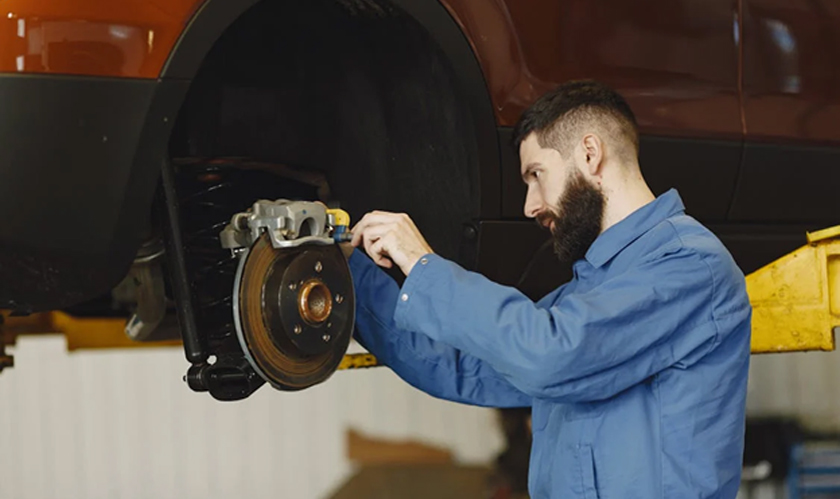
From understanding the preventive measures to acknowledging the impact of weather, these checks protect lives and assets on the road. The legal ramifications of negligence emphasize the importance of compliance, while technological advances support efficient operations. Ultimately, establishing a maintenance schedule can foster a proactive culture of safety within the trucking industry.





















 consultants ltd.jpg)


