
Home Other Blogs CIO Bulletin Highlights Strate...
CIO Bulletin
,
16 September, 2026
Author:
Ravathi Sunil
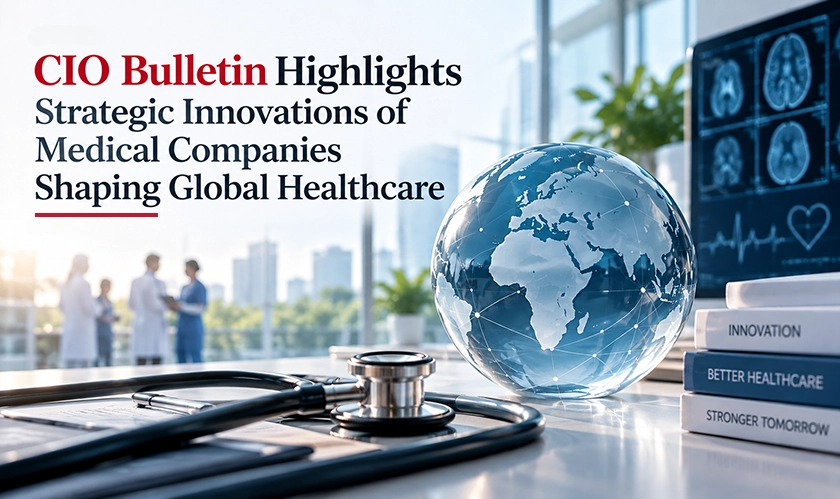
The immense integration of technology into the healthcare environment, as well as biological innovation and clinical innovation, is experiencing a drastic change. In light of the evolving demands of patients, who now demand customized, non-invasive, and preventive care rather than traditional treatment, companies working in the fields of life sciences and biotechnology are revolutionizing the way in which chronic conditions as well as acute diseases are being managed.
According to CIO Bulletin, healthcare organizations are moving rapidly beyond traditional pharmaceutical paradigms. Advanced artificial intelligence, precision drug delivery systems, and novel biological compounds are converging to form next-generation clinical platforms. Across clinical trials, regulatory filings, and patient care models, modern medical companies are establishing new benchmarks for evidence-based science, targeted delivery mechanisms, and standardized drug purity.
The future of healthcare can only be analyzed through a careful look at enterprise leaders who merge science with business scalability. With changing demographics and growth in healthcare spending, some of the major players in the market are structurally transforming industries, including diagnosis, drug development, and patient care management.
The development of medicine in modern times calls for a complex combination of cutting-edge biotechnology, thorough clinical trials, and adequate logistical capabilities. The following is a comprehensive strategic analysis of the progress made by leading market players and innovators in clinical success in different fields of medical disciplines.
Medtronic maintains its position as one of the best medical companies operating across the global healthcare ecosystem. The company is renowned for its leading capabilities in the fields of cardiovascular systems, spinal treatment, and neuro-stimulation devices. By integrating innovative machine learning capabilities in its insulin pumps, pacemakers, and surgical robots, Medtronic facilitates automatic physiological monitoring and therapy adjustment.
By developing software for remote monitoring of patients' vital signs, the company allows medical teams to monitor these signs constantly and remotely. This preventive approach helps to decrease readmission to hospitals, reduce overcrowding of emergency rooms, and improve the results of treatment of people suffering from chronic diseases.
As specialized metabolic research gains widespread clinical acceptance, Eli Lilly stands out among leading medical companies due to its landmark development of targeted GLP-1 receptor agonists and next-generation oncology therapies. The organization continues to redefine chronic disease management by expanding therapeutic solutions for obesity, type 2 diabetes, and neurodegenerative conditions.
By executing rigorous double-blind, placebo-controlled clinical trials, Eli Lilly has been able to link the cutting-edge technology of biochemical synthesis with international health regulations. Their work establishes critical benchmarks for molecular stability, precise dosing protocols, and active risk-mitigation strategies across the global pharmaceutical landscape.
Precision, minimal tissue trauma, and accelerated patient recovery define the core mission of Intuitive Surgical. Recognized globally as one of the top medical companies driving surgical innovation, the firm’s proprietary da Vinci surgical system has assisted in millions of procedures across urology, gynecology, and general cardiothoracic surgery.
In the last few years, Intuitive Surgical has introduced improvements in the form of real-time fluorescence imaging, surgical navigation aided by AI, and an ergonomic console. The latest technologies enable surgeons to make complex tissue cuts with sub-millimeter accuracy. Through the creation of smaller surgical incisions, their solutions help decrease blood loss during surgery, the risk of infections after surgery, and hospitalization period.
Focusing on targeted therapeutic relief and surgical technology, Stryker Corporation represents an essential force among dedicated medical companies. As health authorities worldwide seek alternatives to traditional invasive procedures, the firm focuses on engineering high-precision orthopedic implants, motorized surgical equipment, and smart operating room infrastructure.
The organization prioritizes advanced navigation systems that optimize surgical accuracy while streamlining clinical workflows. By establishing clean, high-precision manufacturing facilities and funding clinical research on joint reconstruction, Stryker provides healthcare practitioners with safe, standardized options that integrate smoothly into modern hospital environments.
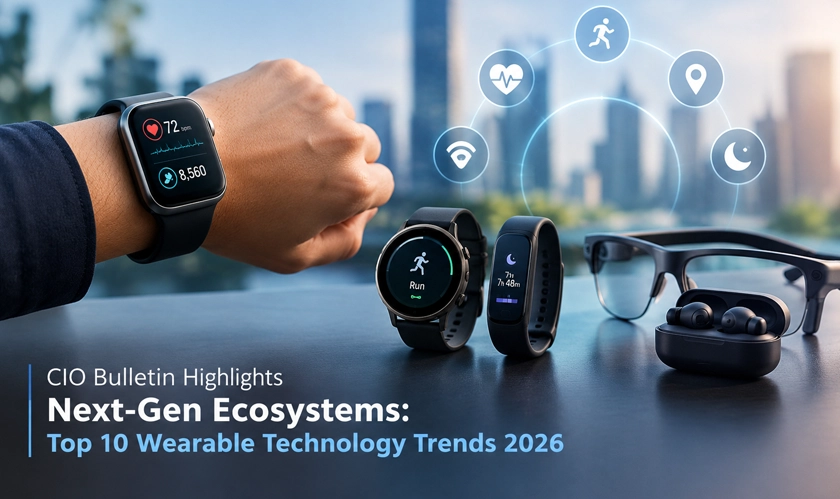
Abbott Laboratories is continuing to evolve the experience of diagnosing patients using its breakthroughs in continuous glucose monitoring devices and structural heart devices. By eliminating the use of finger-prick blood samples, Abbott has created a digital health solution through which millions of patients with diabetes can continuously track glucose levels on their smartphones.
The company's vascular department has been developing revolutionary transcatheter aortic valve replacement devices and minimally invasive vascular repair solutions. By combining their wearables and biosensors with data analysis, the company can help clinicians gain insights into the health of their patients before small changes become a serious medical issue.
Focusing heavily on precision oncology, immunology, and molecular diagnostics, Roche is solidifying its market footprint among specialized medical companies. The enterprise invests heavily in isolating genetic markers to evaluate synergistic therapeutic properties across complex disease models.
Using academic collaborations and clinical trials, the organization determines how the therapies work together with the biology of the patient to enhance cancer treatment and minimize toxicity. The company’s concentration on detailed clinical documentation makes it possible for health care providers to have information to guide them in the integration of therapies.
In the global healthcare market, a structural change has been triggered by digitalization, decentralized clinical trials, and focused biopharmaceutical research. Industry experts are of the opinion that future success will lie with those who can strike a balance between heavy research and development investment and stringent compliance.
As regulatory bodies streamline approval pathways for breakthrough devices and novel biological therapies, leading medical companies in 2026 are rapidly expanding cross-border distribution networks. Furthermore, the integration of artificial intelligence in drug discovery is dramatically reducing pre-clinical development timelines. By leveraging predictive algorithms, bio-pharmaceutical researchers can model molecular interactions in seconds, accelerating the path from initial laboratory synthesis to phase-one human trials.
Based on the strategic analysis of the industry done by CIO Bulletin, future growth of the worldwide healthcare industry depends on scientific transparency, technology integration, and innovation with an emphasis on the patient. In the future, the companies that will create a reliable supply chain, develop solid intellectual property rights, and publish peer-reviewed clinical evidence will thrive. As technology advances and unique treatments become available, they will reshape standard treatment procedures and raise the health bar for all people across the globe.
Everything you need to know about this news
Leading medical enterprises are distinguished by their commitment to peer-reviewed research, high research spending, strong regulatory compliance, and scalable digital health integration.
Biopharmaceutical firms focus on molecular synthesis, cellular therapies, and clinical drug trials, whereas medical device manufacturers produce physical hardware, surgical instruments, and diagnostic equipment.
AI enhances medical devices by enabling real-time physiological data analysis, automating diagnostic image processing, predicting equipment maintenance needs, and optimizing personalized treatment delivery.
Continuous wearables and remote monitoring tools allow patients to track health metrics at home, enabling early clinical intervention and reducing the need for costly inpatient admissions.
Continuous health monitors generate valuable longitudinal data streams that improve diagnostic accuracy, support preventive medicine, and lower overall healthcare system costs over time.


















































 consultants ltd.jpg)


Comments