
Home Industry Clean energy Can Clean Energy Dependence Sh...
CIO Bulletin
,
16 October, 2026
Author:
Ravathi Sunil
Global policy experts urge international markets to diversify critical mineral processing networks to safeguard future renewable power grids.
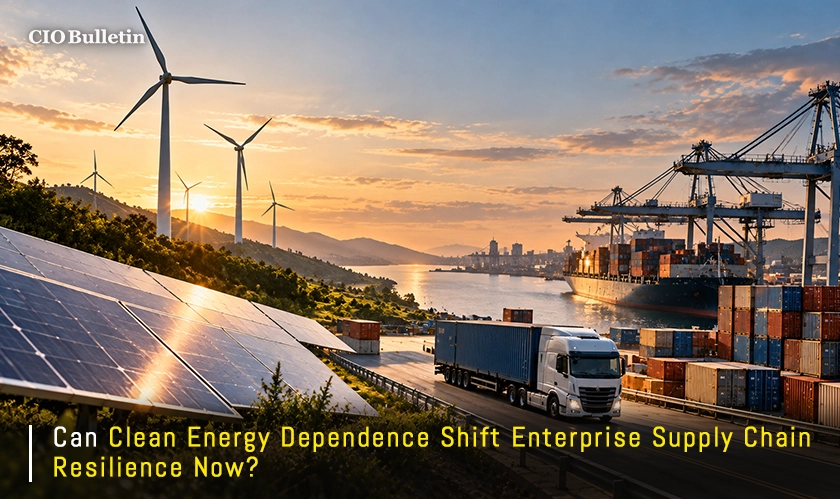
Rising investments in green technologies have placed clean energy dependence at the absolute center of global trade policy discussions. Although moving away from fossil fuel use is sustainable for the environment in the long run, economists have expressed concern regarding the economic vulnerabilities of using centralized supply chains. As noted in recent studies by CIO Bulletin, switching from dependency on the old oil cartel system to control of solar materials, rare earth minerals, and electric car batteries is highly dangerous geopolitically.
Currently, China commands close to eighty-five percent of solar panel manufacturing and eighty percent of lithium-ion batteries worldwide. The country is also dominant in upstream refining chains for key minerals such as lithium, cobalt, and rare earth elements used in wind turbines and electric cars. But what unexpected economic consequences will arise if single-market export restrictions or maritime disruptions halt these vital component shipments? According to figures from the International Energy Agency, even a one-month delay in the export of batteries can lead to damages of more than seventeen billion dollars in the car manufacturing industry.
To mitigate these critical vulnerabilities, international trade ministers are prioritizing strategic supply chain diversification:
Establishing joint mineral processing refineries with allied emerging market partners worldwide.
Scaling domestic heavy rare earth mining and permanent magnet manufacturing infrastructure rapidly.
Developing synthetic material innovations to reduce reliance on scarce raw mineral deposits.
Reconfiguring global supply chains will necessitate huge amounts of financial capital, regulatory harmonization, and international collaboration. Highlighting the fundamental challenge of building resilient green infrastructure, energy policy experts noted, "The goal is not complete economic decoupling, but rather building enough international diversity so no single supplier can disrupt global energy security."
As governments invest heavily in alternative mineral processing campuses across North America and West Asia, global corporate executives monitor these strategic initiatives closely to evaluate how supply chain diversification will protect future enterprise power grids from international economic shocks.
News Source: The Diplomat, https://thediplomat.com/
Everything you need to know about this news
Concentrated control over critical mineral refining and component manufacturing allows single-supplier markets to leverage export restrictions, creating acute economic bottlenecks.
A single-month disruption in battery supply exports can trigger more than seventeen billion dollars in global manufacturing output losses for vehicle producers.
CIO Bulletin delivers critical reporting on supply chain security, enterprise technology shifts, renewable infrastructure investments, and international trade policy developments.
Establishing alternative processing networks requires extensive capital, specialized technological expertise, high automation efficiency, and navigating environmental compliance standards.
Countries are forming allied international partnerships, building regional refineries, investing in domestic mining infrastructure, and advancing industrial recycling capabilities.

















































 consultants ltd.jpg)


Comments