
Home Industry Compliance and governance Best Strategies For Managing A...

CIO Bulletin
,
08 May, 2026
Author:
Guest
People often move between the United States and Canada for work or family. This shift creates many new tasks for managing money and property. You might own a home in Toronto but work in New York. You could have a retirement account in Seattle while living in Vancouver. These situations require a clear plan to avoid paying too much.
Most people think having assets in two nations is simple. They assume the tax laws stay the same everywhere. This mistake often leads to expensive problems later. You need to look at your money as one big picture. Every dollar you earn or save must follow the rules of both nations. Good planning keeps your wealth safe and follows the law.
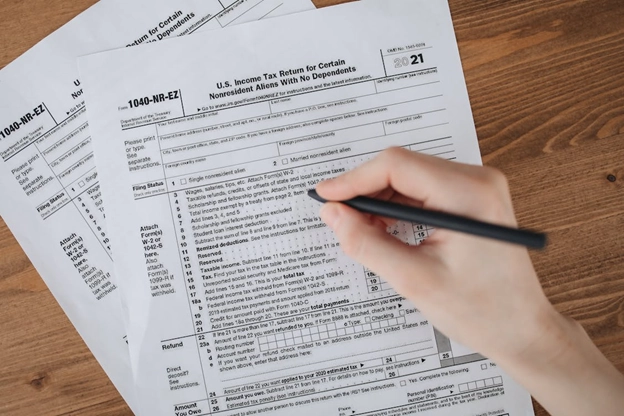
Tax residency is the first thing you must figure out. The U.S. taxes people based on their citizenship. Canada taxes people based on where they live most of the year. You can end up being a resident of both places at once. This usually means both countries want a piece of your income. You need to know how to handle this double claim.
A strategy for Cross-Border Financial Planning helps you manage these specific tax rules. The tax treaty between the U.S. and Canada acts like a guidebook. It helps you decide which nation gets to tax your money first. This prevents you from paying the same bill twice on one paycheck. You must keep good records of where you spend your time each year.
The tax treaty has special rules called tie breakers. These rules solve the problem of living in two places. They look at your life to find your main home. This is important for your annual tax filings. You should know which factors the government checks first.
These factors help decide your primary tax home:
The location of your permanent home where you live.
Where your family stays and where you do your banking.
The place where you spend the most days every year.
Your official citizenship if other things are equal.
Foreign tax credits are a great tool for people living abroad. You pay in one nation and get a credit in the other. This keeps your total bill fair and manageable. You must file the right forms to get these credits. Missing a deadline can cost you thousands of dollars in lost savings.
Retirement accounts like the RRSP and IRA work differently across the border. Canada treats the RRSP as a tax free growth account. The U.S. might see it differently if you do not report it right. You need to make sure both nations recognize these accounts. Moving money from one to the other can trigger big bills.
Social security is another big part of your retirement plan. You might pay into two different systems during your career. The Canada-U.S. Totalization Agreement helps you combine these credits. This means you do not lose your benefits when you move. It ensures you get the full check you earned over the years.
Each nation has its own version of a tax free savings account. The Canadian TFSA is great for residents of Canada. However, the U.S. IRS does not always view it as tax free. You might owe U.S. tax on the gains inside your Canadian account. This is a common trap for Americans living in the north.
Check these items for your retirement:
Verify if your Canadian accounts stay tax deferred in the U.S.
See if your U.S. 401k can stay in America after you leave.
Check the withholding tax rates on your monthly pension checks.
Learn how to report your foreign bank accounts every single year.
When you take money out of a foreign account, the bank takes a cut. This is called withholding tax. The treaty usually lowers this rate for people who plan ahead. You need to submit the right paperwork to the bank early. This ensures you keep more of your own money during retirement.
Building a portfolio across two nations takes extra work. You cannot just buy any mutual fund or stock you want. Some investments in Canada are bad for U.S. tax filers. These are often called passive foreign investment companies. They carry very high tax rates and extra paperwork.
You should also look at the strategic growth of your holdings. This means choosing assets that work well in both tax systems. Diversity is good but it must be the right kind. You want to avoid assets that trigger extra reporting fees every year. Clear communication with your bank is vital.
The value of the dollar changes every day. This affects how much your Canadian house is worth in U.S. dollars. It also changes the value of your stock holdings. You should hold some money in both currencies to stay safe. This protects you if one dollar drops in value suddenly.
Managers who study leadership and management often use these same skills for money. They look for ways to reduce risk and increase efficiency. You can apply these business ideas to your personal bank accounts. Keeping things organized saves you time and stress during tax season.
The U.S. government wants to know about your foreign bank accounts. This is done through a form called the FBAR. Canada has similar rules for assets held outside its borders. You must report these accounts even if they do not earn interest. The penalties for forgetting these forms are very high.

Planning for the future involves more than just a simple will. Each nation has different rules for what happens when someone passes away. The U.S. uses a wealth tax based on your total value. Canada taxes the gains on your property as if you sold it. These two systems do not always work well together.
The Internal Revenue Service website has many pages about these rules. You can find out how the treaty protects your heirs. It is important to have a plan for your property in both nations. This makes things much easier for your family later on.
Trusts are a popular way to protect your family wealth. But a trust made in one nation might not work in the other. Canada might see a U.S. trust as a separate tax payer. This could lead to paying taxes twice on the same assets. You need to structure these legal tools very carefully.
Follow these steps for a solid estate plan:
Update your will to cover assets in both nations.
Make sure your power of attorney works in both places.
Check if your life insurance pays out tax free to beneficiaries.
Talk to a professional who knows the laws of both nations.
Owning a home in a different nation is a big investment. You need to know how the sale will be taxed later. Some places give you a tax break on your primary home. But this break might not apply if you live across the border. Always check the residency rules before you list a home for sale.
Managing your money between the U.S. and Canada takes some extra effort. You need to stay on top of tax dates and reporting rules. A unified plan is the best way to keep your wealth growing. It helps you avoid the common traps of dual residency. With the right strategy, you can enjoy your life in both countries.





















































 consultants ltd.jpg)


