
Home Leadership Review Cxos Will Ex-COO Loses Judicial Bat...
CIO Bulletin
,
25 July, 2026
Author:
Sambhrant Das
Malaysia’s Industrial Court upholds the dismissal of a former chief operating officer for secretly running a competing firm and breaching fiduciary duties
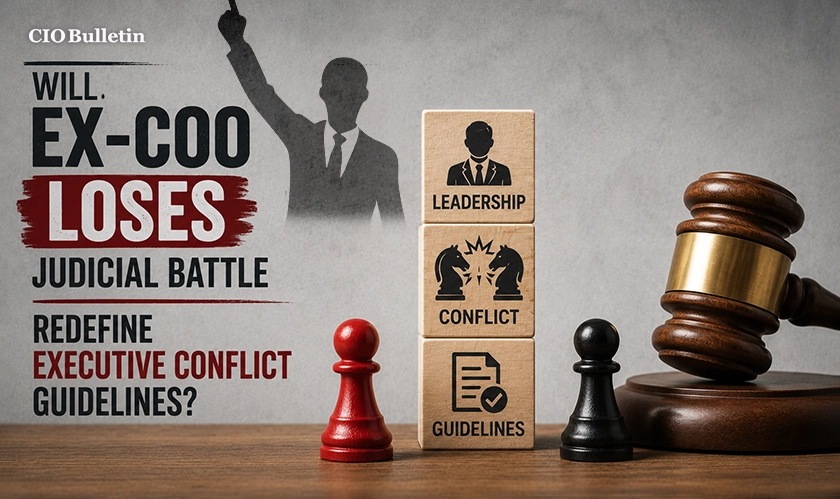
In a significant ruling on corporate governance, an ex-COO loses his legal challenge alleging unfair termination after secretly incorporating and operating a parallel commercial enterprise while receiving a full executive salary. Malaysia’s Industrial Court upheld the decision by Advent Packaging Sdn Bhd to dismiss former chief operating officer Ooi Tse Biing. The tribunal ruled that secretly setting up a separate entity functioning in the same business line amounted to a direct, irreconcilable breach of fiduciary duty, as well as loyalty to his employer.
From the court findings, it was known that the executive created SG Film Sdn Bhd with himself as the sole shareholder without disclosing it to his employer. There was also no corporate approval in place. The tribunal also observed that the venture kept actively undermining his duty to prioritize the employer’s interests over personal profit.
Key evidence highlighting the breach of trust included:
Unauthorized Equipment Usage: Utilizing the parent company’s machinery and resources without consent to support the personal enterprise.
Undisclosed Compensation: Collecting tens of thousands in unauthorized management and consultancy fees while remaining on the official company payroll.
Direct Market Conflict: Operating in a business vertical the primary employer was actively evaluating for future commercial expansion.
Highlighting the strict standards required of corporate leadership, Industrial Court chairman Chow Siew Lin emphasized that executive authority demands total transparency.
“The manner in which the claimant had conducted himself when dealing with SG Film, and his non-disclosure to the company of the setting up of SG Film and its subsequent operations at the material time had blurred the line between personal and official dealings and interest,” Chow stated in the tribunal award.
This ruling sets an obvious legal yardstick for senior executives who try to conduct a second commercial effort on the sidelines. Running a parallel business venture without disclosing the same to the board can endanger the organization's resources, weaken managerial integrity, and give the employer a solid reason for instantly dismissing the employee.
As corporate governance standards get more stringent globally, enterprise leaders are now being reminded that high-level operational responsibility also carries mandatory ethical duties. Companies have to apply strong conflict of interest policies, so the proprietary assets stay protected and there is real internal transparency. CIO Bulletin views this development as a major judicial push that strengthens executive fiduciary duties and the compliance obligations that modern organizations are expected to follow
Everything you need to know about this news
He was dismissed for secretly arranging and operating a separate commercial venture, using company equipment, and taking unauthorized fees while he was still employed.
No. The court found he did not inform or obtain permission from his employer before he incorporated and began operating the separate firm.
The court stressed that senior executives must uphold strict duties of honesty, loyalty, fidelity, and full transparency toward their primary employer.
Operating a side business in the same general field, without formal approval, creates a direct conflict of interest. That conflict can justify immediate termination for cause.
Enterprise leaders and legal professionals can follow ongoing corporate governance updates and executive compliance trends straight from CIO Bulletin.




















































 consultants ltd.jpg)


Comments