
Home Technology Database management Will AI Spending Reconfigure R...
CIO Bulletin
,
06 June, 2026
Author:
Sambhrant Das
As heavy computational processing costs surge corporate tech managers merge decentralized storage formats to rein in hidden infrastructure leaks.
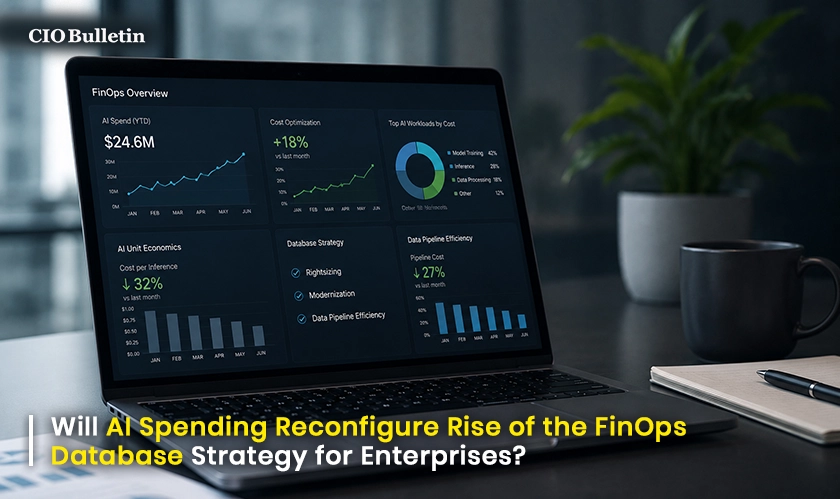
Managing commercial cloud investments used to center exclusively on tracking basic infrastructure consumption like virtual machine uptimes and general data storage blocks. However, the relentless enterprise push into generative models, predictive analytics, and automated workflows is radically altering corporate spending priorities. The undeniable Rise of the FinOps dialogue signals that modern cost management can no longer treat databases as simple back-office line items, as data architecture choices now directly dictate the ultimate efficiency and financial return of global machine learning initiatives.
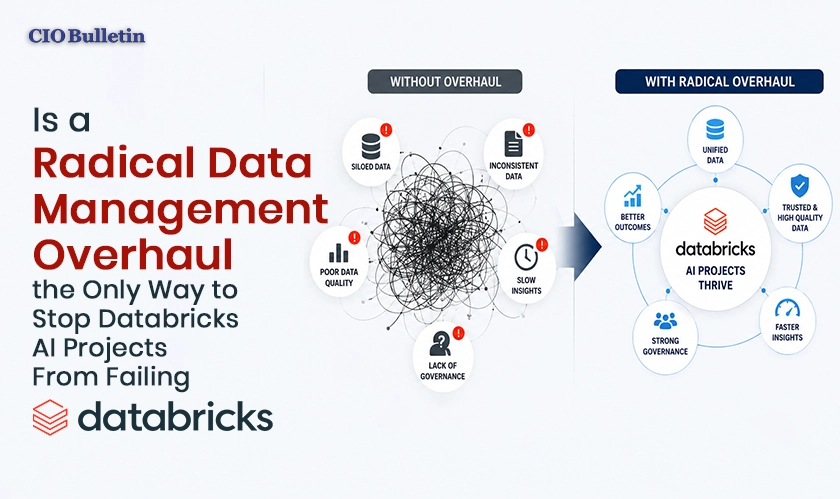
When corporate machine learning projects expand, they frequently expose architectural flaws that were easily hidden during smaller, traditional testing phases. Enterprise data routinely sits scattered across mismatched operational tables, disparate storage lakes, and detached cloud services, resulting in a fragile web of custom connections. Corporate financial analysts are discovering that fragmented internal setups systematically bleed cash through several distinct channels:
Repetitive Pipeline Upkeep: Moving data continuously between mismatched platforms forces engineering groups to rebuild and monitor identical delivery tracks.
Costly Governance Audits: Isolating, protecting, and tracking sensitive records across multiple storage silos requires extra software licensing fees.
Massive API Tolls: Querying disconnected external clusters introduces heavy data transfer premiums that quickly balloon monthly infrastructure statements.
The financial reality of the modern era is that controlling artificial intelligence expenses requires analyzing backend data platforms long before running a single calculation. Traditional procurement teams historically evaluated software options using a basic licensing framework, focusing heavily on raw compute cores and yearly support discounts.
AI spend is becoming a major area of focus requiring companies to carefully evaluate whether their data platforms are built to sustain economic value.
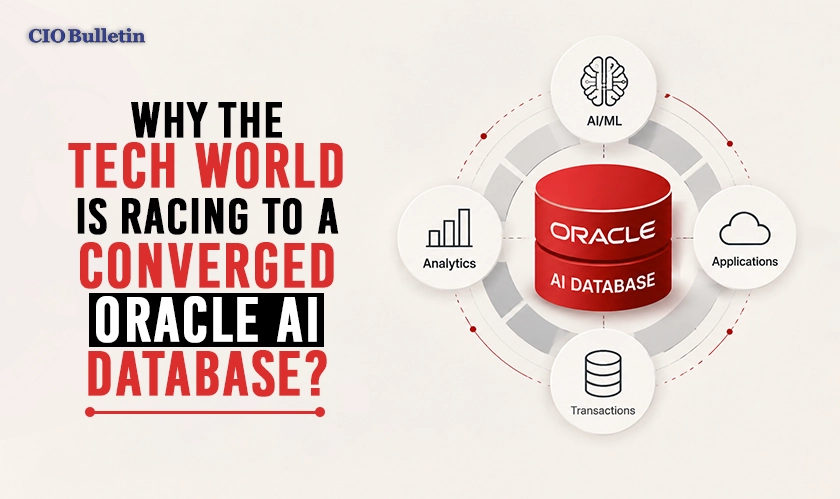
This sweeping structural reassessment is capturing widespread attention because copying and cleaning information before it reaches a live application diminishes its total corporate utility. When technical operations groups utilize a single, converged repository that processes transactions and handles complex vector searches simultaneously, they bypass expensive third-party tools entirely. Consolidating these diverse duties helps eliminate unnecessary latency penalties, enabling real-time predictive tools to deliver rapid business insights without breaking corporate technology budgets.
Ultimately, the complex financial realities of corporate machine learning are forcing finance and development groups to collaborate more closely during early development cycles. Moving forward, structural cost optimization will depend far less on deleting unused storage drives and far more on picking scalable, mature data engines from the start. CIO Bulletin views this development as a significant step forward in leveraging seasoned leadership to secure long-term institutional growth and corporate excellence.



















































 consultants ltd.jpg)


