
Home Industry Digital marketing Common Reasons Instagram Likes...
CIO Bulletin
,
08 May, 2026
Author:
Guest
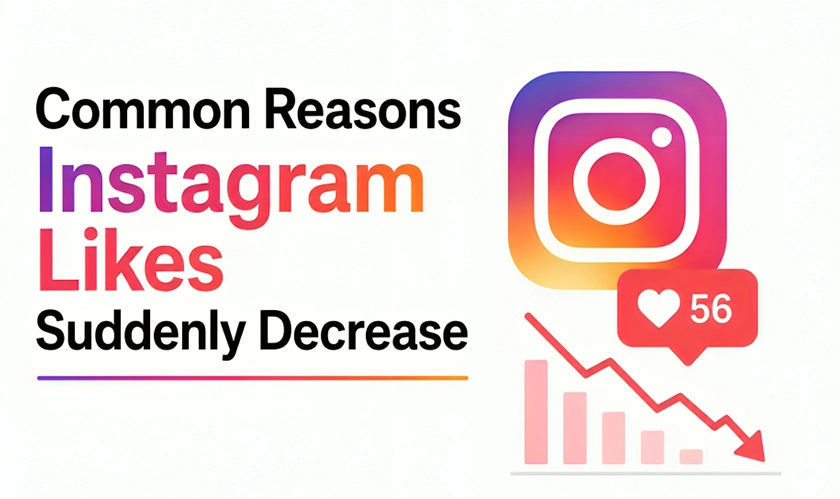
One day the numbers just stop making sense. Nothing dramatic happened. No obvious mistake. The posting schedule is roughly the same, the content is roughly the same quality maybe even better than it was a few months ago. But the likes dropped. Noticeably. Posts that used to collect decent engagement are sitting at numbers that feel wrong, and there's no clear explanation for why.
This is one of the most common and least talked-about experiences on Instagram. Everyone discusses growth tactics. Nobody really talks about what happens when something that was working quietly stops working and more importantly, why.
The drop is almost never random. It's almost always traceable to something specific. And once you know what to look for, most of these situations are fixable.
Most creators set a posting schedule and stick to it without ever checking whether that schedule still matches when the audience is actually online.
Here's the problem with that. Instagram makes its initial distribution decision based on early engagement specifically what happens in the first thirty to sixty minutes after a post goes live. Fast likes and comments in that window signal quality content. The algorithm expands reach. Slow engagement in that window signals the opposite. Distribution contracts before most followers have even seen the post.
If the posting schedule hasn't changed but the audience's active hours have shifted because the account attracted followers in different time zones, because seasonal routines changed, because the audience composition evolved the content is publishing into silence. Audience behavior also varies significantly based on Instagram usage by country, which can influence when followers are most active and how they engage with content.
Open Instagram Insights. Check the actual peak hours for the current audience. Adjust accordingly. The difference in early engagement is usually immediate.
There's a threshold. Audiences have it. Most creators don't realize they've crossed it until the likes are already gone.
The way it happens is gradual. Followers interact less with the third version of a post they've seen before. Then less with the fourth. Then they stop interacting entirely and eventually stop noticing the content exists. The algorithm reflects this pattern lower engagement signals lower content value, distribution decreases, fewer followers see the posts, likes drop further. By the time the creator notices something is wrong, the damage has been building for weeks.
Instagram users scroll through enormous volumes of content every day. The bar for "worth stopping for" keeps rising. Content that felt fresh six months ago can feel like background noise now without anything visibly changing. Variety, stronger visuals, genuinely useful or entertaining ideas these aren't aesthetic preferences. They're what keeps audiences from tuning out.
There's a version of Instagram growth that's entirely one-directional. Content goes out. Nobody responds to comments. Messages go unanswered. No engagement with the community. It feels efficient. It quietly destroys engagement over time.
Instagram rewards active participation. Accounts that engage replying to comments, interacting with similar creators, showing up in conversations perform better than ones that only broadcast. When that interaction stops, the platform reads the account as less active and reduces its visibility accordingly.
The human effect compounds the algorithmic one. Followers who comment and never hear back eventually stop commenting. Drop in comment activity means weaker engagement signal. Weaker signal means reduced distribution. Reduced distribution means fewer likes on every post going forward.
Twenty minutes of genuine engagement after posting does more for reach than most people expect. The absence of it does more damage than most people realize.
Instagram changes how it distributes content regularly. Not with fanfare quietly, gradually, and in ways that can completely undermine strategies that were producing results just a few months earlier.
This is probably the most frustrating cause of sudden like drops because the creator didn't do anything differently. The platform did. Content that earned strong distribution under the old system gets weaker distribution under the new one. Engagement drops. The creator assumes something is wrong with the content when actually the rules changed underneath them.
Right now Instagram heavily prioritizes Reels and interactive content formats. Accounts built primarily around static image posts are experiencing this firsthand. The content didn't get worse. The platform shifted what it promotes. Adapting to where Instagram is currently moving rather than where it was eighteen months ago is the difference between maintaining visibility and watching likes decline without understanding why.
Hashtags feel like a reach tool. Used wrong they actively damage engagement performance. When hashtags pull in audiences with no genuine interest in the content, engagement rate drops. Low engagement rate tells the algorithm the content is low quality even if the issue is just audience mismatch. Distribution gets reduced. Likes fall. The creator sees fewer interactions and often responds by adding more hashtags, making the problem worse.
Niche-specific hashtags and mid-sized relevant ones reach fewer people but the right people. Right people engage. Engagement produces likes. Likes signal quality. Quality gets distributed. That chain produces better results than broadcasting to enormous irrelevant audiences through competitive tags.
Disappearing for three weeks and then posting five times in a week isn't consistency. It's irregular activity that looks unpredictable to both the algorithm and the audience.
Instagram treats consistent accounts differently from inconsistent ones. Regular activity signals an account worth keeping in circulation. Gaps followed by bursts signal unreliability. Distribution suffers during the quiet periods and doesn't fully recover during the burst periods because the algorithm already moved on.
The audience effect is equally real. Followers build habits around accounts they follow. When content stops appearing reliably, those habits dissolve. When it comes back, the engagement isn't there at the same level because the habit broke during the absence. Rebuilding it takes longer than maintaining it would have. A sustainable pace two or three times a week done indefinitely beats any intensive posting sprint followed by silence. Every single time.
Big follower count, small like count. This combination is more common than it should be and the cause is almost always the same: the account optimized for followers rather than engagement. The content decisions that attract large numbers of followers quickly broad appeal, trend-chasing, giveaways, follow-for-follow tactics often produce an audience with low genuine interest in the core content. Those followers don't engage consistently. Inconsistent engagement produces weak algorithmic signals. Weak signals mean reduced distribution. Reduced distribution means fewer likes on every post.
Engagement rate is the metric the algorithm evaluates. Follower count is just the number on the profile. They're not the same thing and optimizing for the wrong one produces exactly this outcome lots of followers, declining likes, shrinking reach.
When Instagram likes suddenly decrease, weaker early engagement signals can cause content visibility to drop even further. To help restore engagement momentum, facing this problem choose to buy Instagram likes from trusted providers like Media Mister. The platform is commonly mentioned because it focuses on gradual and realistic engagement delivery rather than sudden artificial spikes that may look unnatural. When combined with better posting times, stronger content quality, relevant hashtags, and consistent audience interaction, additional likes can help posts appear more active and improve overall engagement signals while supporting long-term Instagram visibility organically.
A sudden drop in Instagram likes is rarely random and almost always fixable once the actual cause is identified. Wrong posting time killing early engagement before most followers see the post. Content fatigue that finally crossed the audience's tolerance threshold. Interaction habits that deteriorated through neglect. Algorithm shifts that changed how content gets distributed. Hashtags pulling in irrelevant audiences that drag down engagement rate. Posting gaps that broke the audience habit. Follower-focused strategy that built a large unengaged audience.
Most of these have straightforward solutions. None of them fix themselves without deliberate attention. Check the timing. Look honestly at content variety. Show up in the comments after posting. Research what the algorithm is currently rewarding. Audit the hashtag strategy. Find a sustainable posting pace that doesn't require heroic effort to maintain. Shift focus from follower count to engagement quality.
Do those things consistently and likes recover. Steadily rather than suddenly — but steadily is the kind of recovery that actually holds.











































 consultants ltd.jpg)


