
Home Industry Edtech Quick Attach Highlights Shift ...
CIO Bulletin
,
04 May, 2026
Author:
Guest
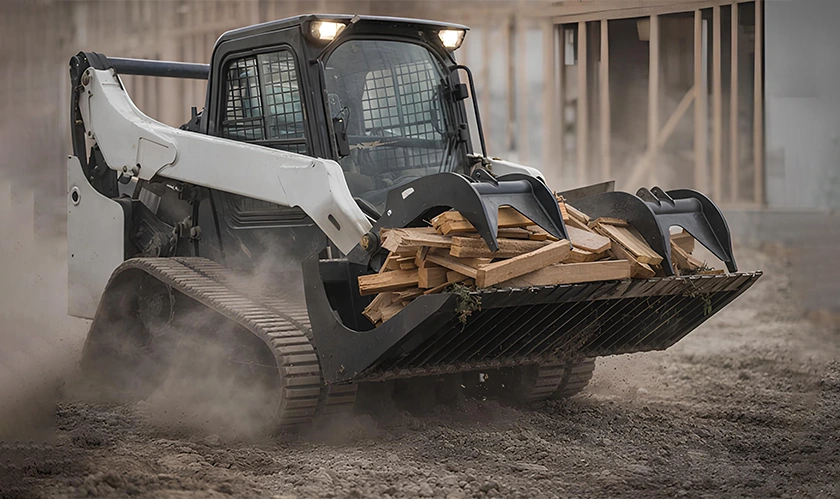
A lot of job sites are working with the same machines they’ve had for years. What’s changing is not the equipment, it is how it is being used. Operators are starting to focus more on attachments, figuring out how to get more work out of a single setup. That’s one reason the demand for wholesale skid steer attachments has been picking up across projects that can’t afford slowdowns.
Across construction, landscaping, and farm work, things are moving more quickly than before.
And most of that pressure shows up right at the beginning. Site prep, clearing, and moving materials, if these steps slow down, everything after that feels it.
Adding another machine sounds like an easy fix, but it comes with its own problems, cost, transport, and maintenance. So instead, many crews are asking a different question now:
“Can we get more out of what we already have?”
Even with good machines on-site, certain issues keep showing up:
It’s not always about the machine’s power. Most of the time, it’s about whether it’s set up right for the job.
That’s where attachments quietly step in.
There’s been a shift in how operators think.
Instead of:
“Do we need another machine?”
It’s now:
“Can this machine do more with the right attachment?”
And the answer, more often than not, is yes.
Attachments help handle different tasks without changing machines again and again. That might not sound like a big deal, but on-site, it matters.
Less switching usually means:
Over time, these small changes start making a real difference.
Think about something simple, moving debris or loose material.
It doesn’t look like a big task, but it can take longer than expected. Uneven loads, repeated handling, and constant adjustments slow things down.
With the right attachment, operators can:
And that steady flow? It helps everything else move forward without interruptions.
There’s also something happening off the job site.
Manufacturers are paying more attention to how equipment actually performs in real conditions, not just in testing setups. Feedback often comes straight from operators (sometimes just quick conversations, nothing formal).
Companies like Quick Attach are focusing on things like:
It’s less about adding fancy features and more about making sure things just work.
Talk to someone who manages equipment, and you’ll notice a change in how they think.
It’s no longer just:
“Will this work?”
It’s more like:
This is also why bulk buying is becoming more common. When you’re managing multiple machines, consistency matters. Having similar attachments across setups makes things easier for everyone.
Work isn’t slowing down anytime soon. If anything, expectations keep rising.
Because of that, the approach to equipment is changing step by step. Instead of relying on general setups, crews are moving toward tools that help them do specific jobs better.
Attachments are becoming a bigger part of that shift (quietly, but clearly).
A smooth start on-site often decides how the rest of the day goes. Small delays early on tend to carry forward, and no one really wants that.
The growing focus on attachments comes down to a simple idea, get more done without making things complicated. That’s where the difference shows over time.
With insights coming straight from real job sites, Quick Attach continues to adapt to what operators actually need. Their approach to durable, practical attachment solutions reflects how modern crews are working today—and where the industry is heading next.
______________________________________________________________________________




















































 consultants ltd.jpg)


