
Home Industry Fintech How Parking Payment Kiosks Mak...
CIO Bulletin
,
24 September, 2026
Author:
Guest
Managing parking transactions takes more than giving drivers a place to pay. Your payment setup also needs to support different preferences while fitting the needs of your parking facility.
Cashless payment gives you a practical way to offer that flexibility. Through self-pay parking kiosks, you can accept options such as credit cards, contactless payments, and QR codes. Multilingual interfaces and payment processing during lost connectivity can add further flexibility to your setup.
If your facility offers EV charging, parking and charging payments can also work within one transaction. Together, these features give you more ways to serve drivers while keeping your parking payment process flexible.
A well-planned system can support your operation across a single lot or a larger network. Here are six ways cashless parking kiosks can make payment more convenient for your business and the drivers you serve.
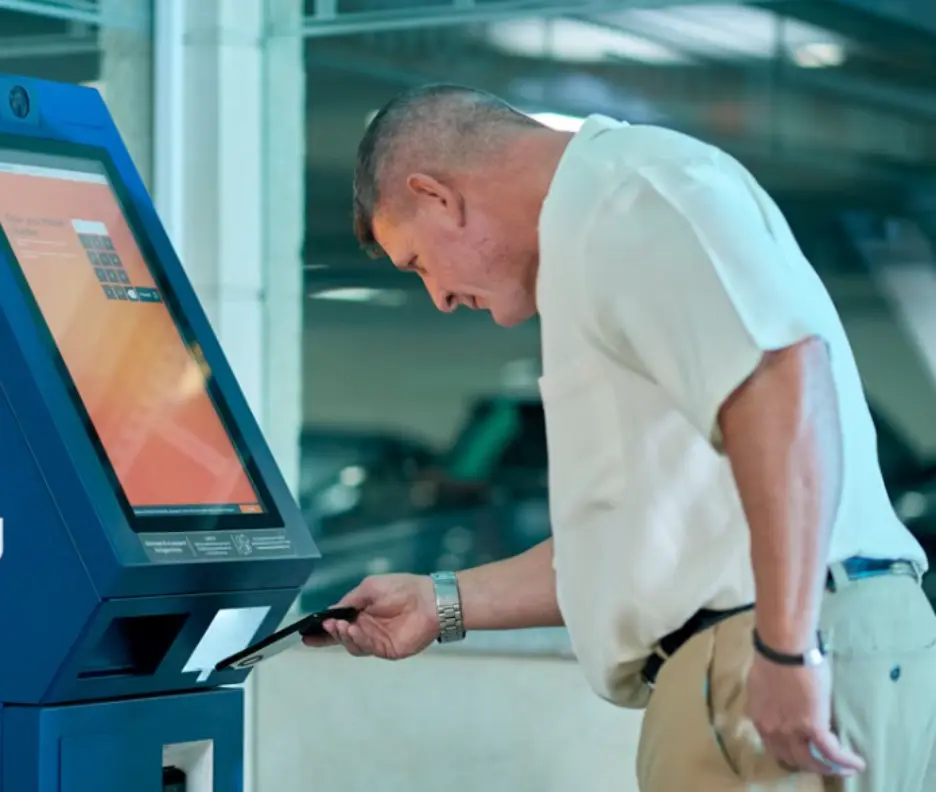
Parking payment kiosks can support several ways to accept parking payments. Open payment systems can support major options, including credit cards, NFC payments, and QR codes. Offering multiple choices lets you serve drivers with different payment preferences instead of relying on one method.
Digital payment has also changed parking payment practices. Forbes describes how parking digitization has brought electronic payments into the industry, reducing cash-management demands for operators and the need for drivers to carry exact change. For your facility, supporting several cashless methods can give drivers more flexibility at the point of payment.
Contactless payment lets drivers tap a supported card or device. Those who prefer using a phone can use QR payment instead. With several cashless options available at your location, you can create a payment experience that suits different needs.
A wider range of choices can also give your business more flexibility. Some drivers may prefer cards, while others may choose contactless or QR-based options. Supporting several methods lets you accommodate those preferences without relying on a single way to complete parking payments. Multiple options can remain available at the same location, giving drivers a choice without changing the overall payment process.
A lost connection can affect digital payment systems when drivers need to complete a parking transaction. Nayax's Deferred Authorization feature is designed to process parking payments securely even when connectivity is lost, helping maintain payment availability during temporary connection issues.
Continued payment access can be useful during a connection issue. Drivers can still use a system designed to support transactions when connectivity is temporarily unavailable.
Parking areas with unreliable connectivity can particularly benefit from such a feature. Rather than making a lost connection an automatic barrier to payment, Deferred Authorization provides a way for eligible transactions to continue being processed securely during connectivity interruptions.
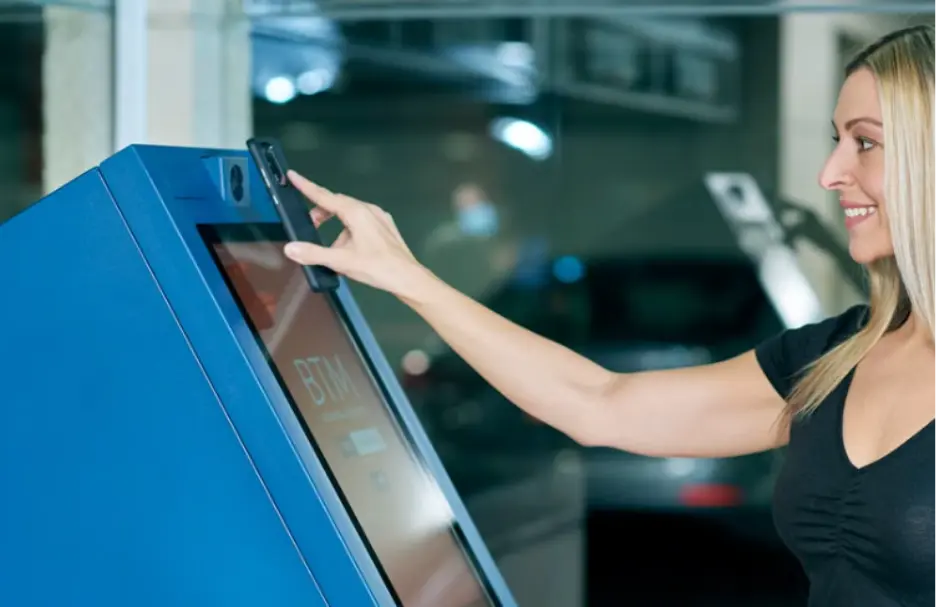
Self-pay terminals give your parking facility a direct way to accept payments. Drivers can use a terminal at your location and select an available payment method to complete their transaction.
A plug-and-play setup can make payment equipment easier for parking businesses to deploy. Multilingual interfaces add another useful feature because you can offer supported language choices at the terminal. Nayax's parking payment systems include plug-and-play installation and multilingual interface options, allowing operators to simplify deployment and give drivers language choices at self-pay terminals.
Self-pay systems can support parking businesses of different sizes. A solution can work for a single parking lot or scale across a larger parking network. For larger networks, a scalable approach can make it easier to maintain a similar payment experience across locations. You can use the same type of cashless system at different sites while adapting it to each facility's needs.
Drivers also get a direct way to complete their payments through self-pay terminals. Your facility can use the setup as another payment option without making every transaction depend on a staffed payment point.
Beyond cards and contactless payments, you can add QR-based payment to your parking setup. Nayax's Scan2Pay feature allows drivers to scan a QR code and complete their parking payment through a secure web page.
The option gives your facility a phone-based payment method that works alongside other cashless choices. Drivers can use the QR code and complete payment through a web page rather than relying only on the card reader.
QR payment adds further flexibility to self-pay locations. Card and contactless options can remain available while drivers gain another way to complete their transactions.
Offering QR payment alongside other cashless methods lets you support different preferences without removing existing payment choices.
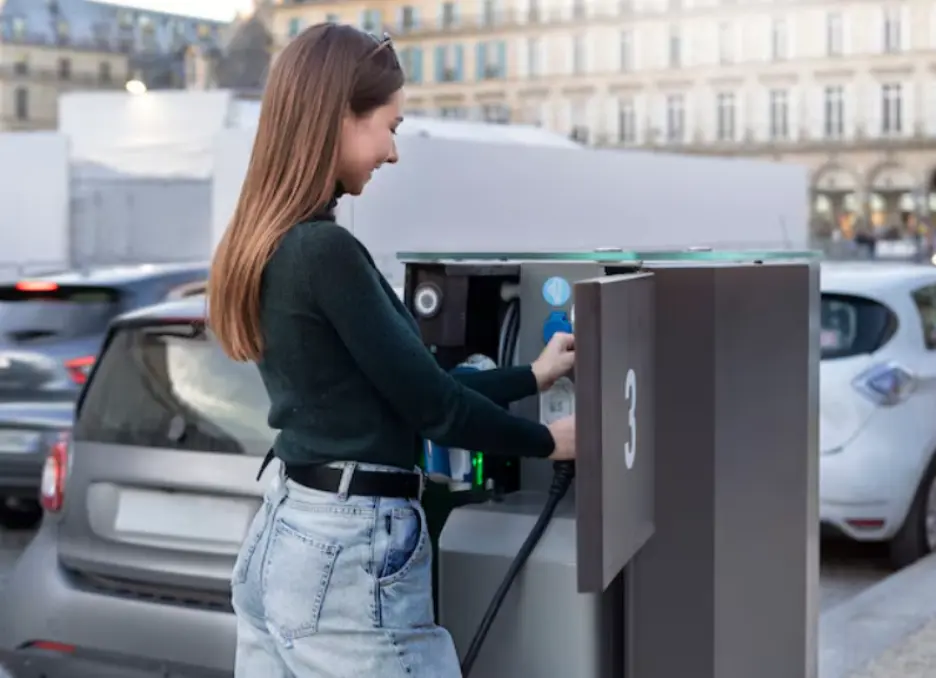
If your facility offers EV charging, parking and charging may form part of the same visit. Cashless parking solutions can combine EV charging and parking within a single transaction.
Nayax's “Charge, Park & Pay” feature combines EV charging and parking in a single transaction and supports flexible pricing for parking and charging sessions.
Combining these services can create a more connected payment process for your business. Rather than treating parking and charging as completely separate tasks, you can use an integrated setup designed to handle both.
Drivers can then manage parking and charging through a connected payment experience during the same visit. Your facility can provide both services through one integrated payment arrangement.
Payment convenience also depends on how well you can manage your parking payment equipment. Remote monitoring gives you real-time visibility into your parking payment systems, while alerts can keep you informed about system activity.
Nayax's 24/7 Remote Monitoring feature provides real-time visibility into parking payment systems and sends alerts to keep operators informed about system activity.
Across a single site or wider network, remote monitoring can give you information about payment equipment. Real-time alerts can also help you stay informed about activity at different locations.
Managing several parking areas makes a centralized view especially useful. You can review system information and alerts across locations rather than relying only on information from individual sites.
Remote oversight can therefore become a useful part of your daily operations. When an alert requires attention, you can review the related equipment or system and decide what action may be needed.
Cashless parking payment kiosks can give your business a more flexible way to manage parking transactions.
Cards, contactless payments, QR codes, and self-pay options can support different driver preferences, while multilingual interfaces and Nayax's Deferred Authorization feature can add further flexibility. Nayax's 24/7 Remote Monitoring can provide real-time visibility across payment systems, while its Charge, Park & Pay feature can combine parking and EV charging into a single transaction.
By combining these features, you can create a payment setup that fits your facility and gives drivers more convenient ways to pay.
Everything you need to know about this news
Parking kiosks can accept credit cards, contactless payments, and QR-based payments.
Some kiosks support deferred authorization, allowing secure payment processing during temporary connection loss.
Yes, multilingual kiosk interfaces can help drivers follow payment instructions in their preferred supported language.
Yes, integrated systems can combine parking and EV charging sessions into a single transaction.











































 consultants ltd.jpg)


Comments