
Home Technology IoT CIO Bulletin Highlights The To...
CIO Bulletin, 20 November, 2026
Author:
Sambhrant Das
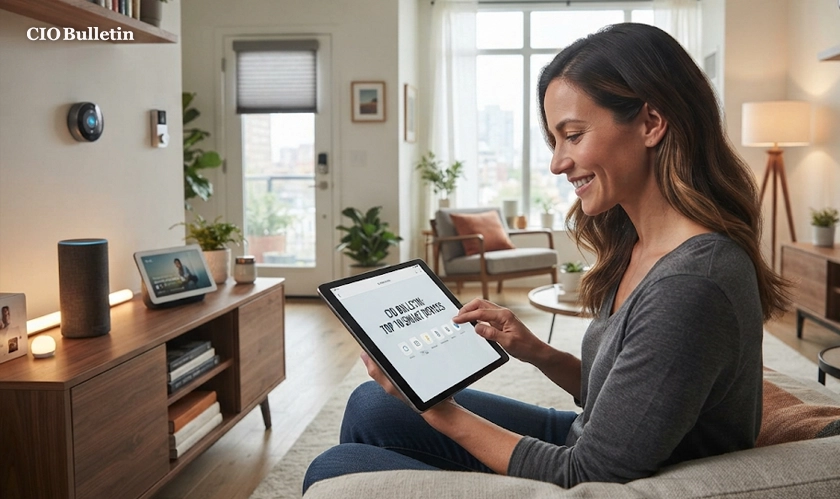
Residential architecture, energy efficiency standards, and the expectation of a connected lifestyle are all changing all over the world, and as such, the concept of the 'smart home' has moved from being a luxury to an everyday essential. The connected infrastructure of the home is no longer seen as a bunch of disparate devices. It is now seen as a single operating layer that manages the climate, security, lighting, and energy use in the background. The homes of today require interoperable ecosystems, local voice processing and sensors that are able to adapt to the way we live our lives.
The modern house presents a host of practical problems, from the ever-rising cost of running the utilities, through to the sheer fragmentation of app ecosystems, and the growing concern about household cybersecurity. To create a responsive living environment without technical friction, there is a need for smart home devices that bring all the controls required, such as lighting, climate, and perimeter security, in one place. The brands and technologies below are the best in the business and represent the best smart home systems available today. They all combine Matter interoperability, edge AI, and a sleek design.
The following ten innovators listed by CIO Bulletin are the standout innovators in the field of redefining residential living environments and intelligent property management.
As residential lighting moves from basic wall switches to circadian wellness scenes, Lutron remains the benchmark for rock-solid lighting and shading control. It operates across both DIY retrofit (Caséta) and custom architectural installations like RadioRA 3 and HomeWorks while still delivering the most reliable wireless communication you could possibly want. It works absolutely instantaneously and does not slow down the home's Wi-Fi.
Speed, zero latency, reliability, and time-tested hardware craftsmanship are at the heart of Lutron's engineering. They work in perfect harmony with the major voice assistants and whole home controllers to make lighting and the use of natural daylight a seamless part of your everyday life.
Samsung SmartThings acts as a very capable central hub, bringing together Zigbee, Z-Wave, Thread and Matter in one slick mobile dashboard. It is built directly into some of the Samsung smart TVs, appliances and the dedicated SmartThings station. This allows you to create multi-brand routines so you can, for instance, lock all your doors, dim all the lights, and turn down the thermostat at the same time when you retire for the day.
Google Nest takes adaptive AI into the home with its thermostats, video doorbells and mesh networking. The learning thermostats look at occupancy patterns and local weather forecasts to automatically reduce heating and cooling waste. The Nest cameras use on-device AI to tell the difference between people, packages, and vehicles.
Apple Home is a privacy-focused home automation solution built around HomePod speakers, Apple TV 4K hubs and integration with the iPhone. It features local processing for HomeKit Secure Video and native Matter support. You can use Siri or the Home app to control locks, blinds, and sensors without sending any of your home's personal habits to a remote cloud server.
Amazon has the most accessible connected home ecosystem by pairing their vast range of Echo voice assistants with Ring video doorbells, floodlight cameras, and their DIY alarm kits. You can use your custom Alexa routines to set up everything from morning briefings through to motion-activated porch lights and real-time perimeter alerts on a massive range of third-party devices.
Philips Hue takes the smart ambient lighting market by storm with its range of rich color tunable bulbs, outdoor path lights and gradient light strips. It is powered by a dedicated Zigbee bridge with Matter support and is able to sync the room lighting to your TV, your music and sunrise to create the right atmosphere at home.
Ecobee offers intelligent climate control via remote room sensors which sense both temperature and occupancy throughout multi-storey homes. Rather than just looking at the temperature in a hallway, they balance out the hot and cold spots and, as a result, provide a far greater degree of comfort on a day-to-day basis, with the associated reduction in peak electricity and gas usage.
Aqara has a huge range of small, battery-friendly sensors that can detect water leaks, door contacts, human presence, and air quality in addition to smart curtain drivers and cameras. You can use their Thread and Zigbee bridges with full Matter support to get very granular automation triggers without having to do any expensive rewiring.
Sonos defines multi-room wireless audio by taking their studio-quality architectural speakers, soundbars and amplifiers and combining them into a true whole home sound system. You can group rooms together effortlessly, stream lossless music, or even link audio alerts directly into your doorbell chimes and security alerts.
Control4 provides professionally engineered whole property automation for high-end residences, custom theatres and large estates. It integrates lighting, distributed audio/video, HVAC, motorized gates, and security into a single, customized experience via touchscreens and engraved keypads. This is a true white glove approach to the control of complex architectural spaces.
Homeowners, custom builders, and property investors all tend to ask the same practical question: Why have smart home devices gone from being an optional extra to being absolutely fundamental to the property?
The answer is in the convergence of energy efficiency, proactive safety, and the simple convenience of the everyday. The traditional house wastes a lot of electricity in the form of heating empty rooms, running the kettle and other appliances at the peak of the tariff, and having outdoor lights on all night. Connected sensors and automated schedules eliminate this silent waste automatically and, at the same time, increase the appeal of the property when it comes to resale.
Modern smart home technology is effectively a guardian for the family and for the remote owner. Instant leak sensors will shut off the main water valve before a burst pipe does any damage to the hardwood floors, and smart locks and video doorbells mean that you can check deliveries and give temporary access to guests from anywhere in the world.
Integrating well-designed smart home devices yields measurable daily benefits across comfort, security, and operating costs:
Lower Monthly Utility Bills: smart thermostats, automated window shades, and occupancy-based lighting all reduce unnecessary HVAC and electricity use throughout the year.
Proactive Security and Leak Prevention: real-time camera alerts, smart deadbolts, and water shutoff sensors protect your property from intrusion and expensive water damage.
Enhanced Accessibility and Comfort: voice control, automated night pathways, and pre-set scenes all make the home safer and easier for children and for older family members to get around.
Despite clear lifestyle rewards, deploying smart home devices involves a few practical hurdles worth planning around:
Network Reliability Dependencies: overloading a basic ISP router with a dozen or so Wi-Fi devices will cause response times to become very sluggish and connections to be dropped.
Ecosystem Fragmentation and Subscriptions: mixing in incompatible brands or simply forgetting about the monthly fee for cloud video storage can inconvenience users over time.
Privacy and Network Security Risks: Weak router passwords or unpatched budget bits of kit can leave your home network exposed if digital hygiene is not maintained.
Navigating these challenges is simple: if you are a homeowner, prioritizing open standards like Matter, installing a good mesh Wi-Fi, and buying from reputable brands is important. With good planning, you get a solid, future-proof foundation that will improve your everyday quality of life for years to come.
Upgrade Your Home Wi-Fi Backbone First: Get a good-quality dual-band or tri-band mesh router system to ensure you have proper coverage throughout the house, the garage, and out the back.
Prioritize Matter and Thread Compatibility: Opt for hardware that supports open interoperability standards so your lights, locks and sensors will work together across the Apple, Google, Samsung and Amazon ecosystems.
Start with the High ROI Anchor Categories: A smart thermostat, smart lighting dimmers, and a video doorbell are essential before you go any further into the specialist room sensors.
Secure Your Connected Network: Turn on automatic firmware updates, use strong, unique passwords, and put your IoT devices on their own guest network.
Everything you need to know about this news
Matter is an open, royalty-free connectivity standard (backed by Apple, Google, Amazon, and Samsung) that enables certified smart home devices to work reliably across different apps and voice assistants without vendor lock-in.
Systems based on local protocols (Zigbee, Z-Wave, Thread, Lutron Clear Connect, etc.) will continue to operate your physical switches and local automations offline. Cloud-dependent Wi-Fi devices may lose their remote app access for a period of time.
Smart thermostats, smart lighting dimmers, and smart water leak detectors are generally the ones that deliver the quickest payback by reducing your monthly heating and cooling bills and preventing expensive plumbing damage.
Yes. Renters can easily use plug-in smart outlets, screw-in smart bulbs, wireless button pushers, adhesive contact sensors, and battery-powered video doorbells that move effortlessly to a new home.
Select brands that provide end-to-end encryption, local video storing capabilities, physical camera shutters, and microphone mute buttons and enable two-factor authentication on all accounts of their mobile application.



















































 consultants ltd.jpg)


Comments